Healthy Stir-Fry Recipes Ready in 20 Minutes | Quick & Easy Healthy Dinners
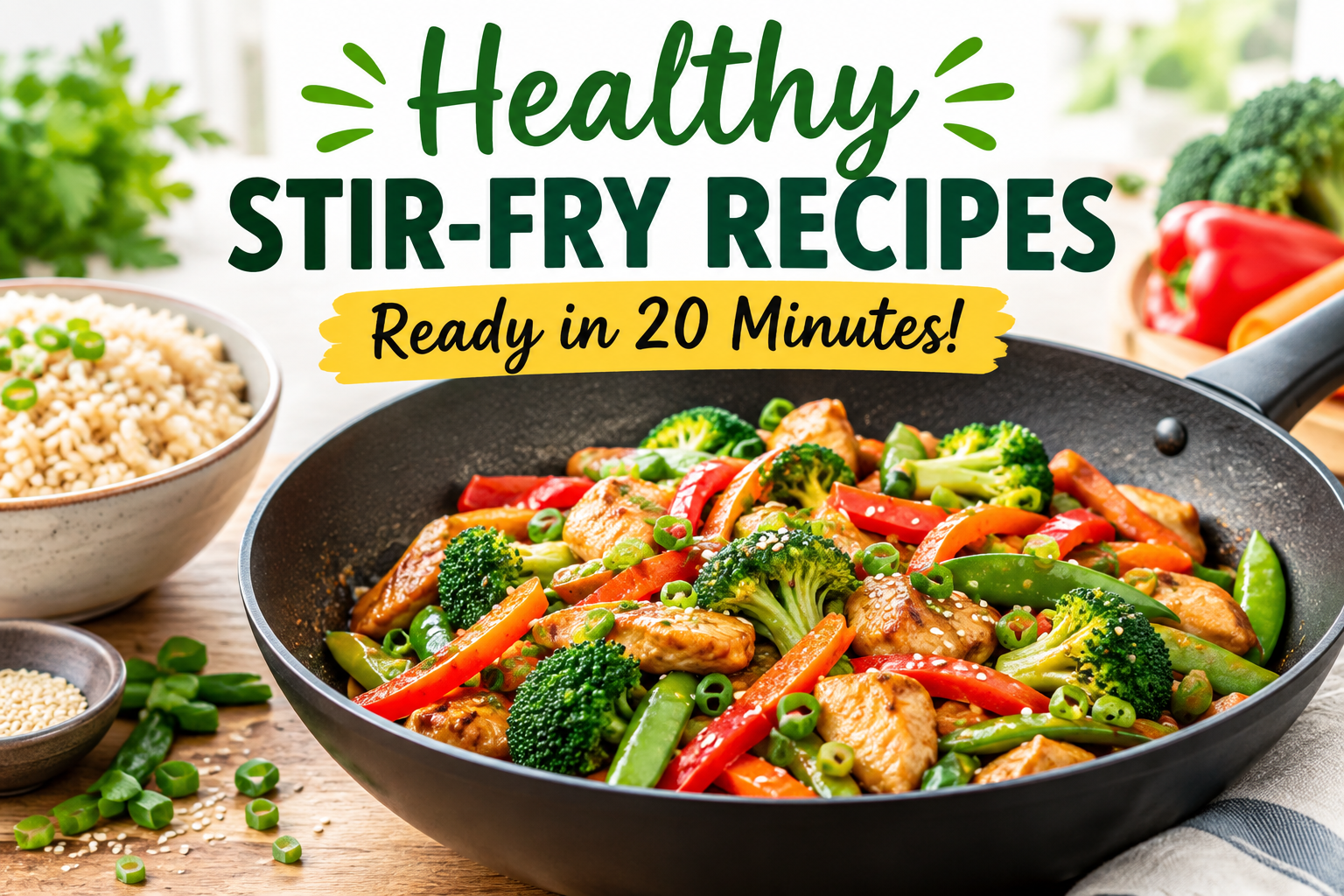
Discover 10 healthy stir-fry recipes ready in just 20 minutes. Enjoy quick, nutritious dinners packed with protein, fresh vegetables, and delicious flavors for busy weeknights.
Healthy Stir-Fry Recipes Ready in 20 Minutes
When the day has been packed with work, errands, school runs, or endless little tasks, cooking a healthy dinner can feel like one more job on an already crowded list. That is exactly where healthy stir-fry recipes come to the rescue. With a hot skillet, a handful of fresh vegetables, a protein you enjoy, and a simple sauce, you can turn ordinary ingredients into a colorful dinner in about 20 minutes. Stir-frying also gives you plenty of flexibility, so you do not have to follow a recipe perfectly every time. You can swap chicken for shrimp, tofu for chickpeas, broccoli for green beans, or brown rice for quinoa depending on what is already sitting in your kitchen. The basic idea fits nicely with current healthy-eating guidance that emphasizes vegetables, protein foods, whole grains, and nutrient-dense choices.
The best part is that quick cooking does not have to mean boring food. A properly prepared stir-fry can be crisp, savory, colorful, satisfying, and packed with different textures. Instead of spending an hour preparing several side dishes, you can cook your protein and vegetables together in one pan and serve the mixture with a whole grain or another simple base. USDA recipe resources also feature stir-fry combinations built around vegetables, lean protein, aromatics, and rice, showing just how practical this cooking method can be. If you are looking for easy healthy dinner recipes for busy weeknights, these 20-minute stir-fries are worth adding to your regular rotation.
Why Stir-Fry Is Perfect for Busy Weeknights
Stir-frying is almost like the express lane of home cooking. The pan gets hot, ingredients cook quickly, and everything comes together in one place. Because the vegetables are cut into small pieces, they need very little cooking time, which helps you get dinner on the table without waiting for a large roast, casserole, or slow-cooked meal. The technique also works beautifully with leftovers, making it an excellent way to reduce food waste while creating a completely different dinner. A little leftover chicken, half a bell pepper, a few mushrooms, and some broccoli can become a fresh meal with nothing more complicated than garlic, ginger, and a quick sauce.
Another advantage is variety. You can make a stir-fry taste completely different simply by changing the sauce and protein. A lemon-garlic sauce creates a bright flavor, while a sesame-soy combination gives you a deeper savory profile. Add chili flakes when you want heat, pineapple when you want sweetness, or peanut butter for a creamy sauce with extra richness. This flexibility is particularly useful for families because everyone can customize their bowl with preferred vegetables and toppings. Instead of thinking of stir-fry as one specific recipe, think of it as a cooking formula that lets you build dozens of quick healthy meals from the ingredients you already have.
What Makes a Stir-Fry Healthy?
A healthy stir-fry is not simply a dish containing vegetables. The overall combination matters. A balanced version can include a generous portion of vegetables, a good source of protein, a moderate amount of healthy fat, and a satisfying carbohydrate such as brown rice, quinoa, whole-grain noodles, or another whole grain. Current dietary guidance places emphasis on vegetables, whole grains, protein foods, seafood and plant proteins, while also encouraging moderation of sodium, added sugars, and saturated fat.
That means the sauce deserves attention too. Many bottled stir-fry sauces can be flavorful but may contribute significant sodium or added sugar, so making a quick homemade sauce gives you more control. You do not need a complicated list of ingredients. Soy sauce or reduced-sodium tamari, garlic, ginger, lime juice, rice vinegar, sesame oil, and a small amount of honey can create a flavorful sauce in minutes. The goal is not to make your dinner taste like a diet meal. The goal is to make the vegetables, protein, and whole dish taste so good that healthy eating feels effortless.
How to Build a Balanced 20-Minute Stir-Fry
The secret to a fast stir-fry is preparation rather than complicated cooking. Before turning on the stove, chop your vegetables, slice your protein, mix your sauce, and have your cooking oil ready. Once the pan becomes hot, the cooking process moves quickly, and stopping to search for an ingredient can cause vegetables to overcook. A large skillet, wok, or sauté pan works well because you want enough surface area for the ingredients to cook rather than steam. Keep everything close to the stove, and you will find that the entire process becomes surprisingly smooth.
A simple formula is protein + vegetables + aromatics + sauce + serving base. Start with a protein, add several vegetables for color and texture, then finish with your sauce. Serve the finished mixture over brown rice, quinoa, cauliflower rice, or whole-grain noodles depending on your preferences. USDA's own chicken stir-fry recipe uses vegetables, chicken, garlic, ginger, soy sauce, and rice, demonstrating how these components can create a complete meal.
Choose a Lean Protein
Protein helps turn a pan of vegetables into a satisfying dinner. Chicken breast, shrimp, lean beef, turkey, tofu, tempeh, salmon, eggs, and chickpeas can all work beautifully in stir-fries. The cooking time depends on the protein, so thin slices and small pieces are especially useful when your goal is a 20-minute meal. Chicken, for example, should be cooked thoroughly; USDA guidance recommends a minimum internal temperature of 165°F for chicken.
You can also make stir-fry nights more interesting by rotating your protein sources. One night might feature chicken, another shrimp, and another tofu. Plant-based proteins can provide a useful alternative to meat, while seafood gives you another way to diversify your meals. If you are using leftover cooked protein, the process becomes even faster because you only need to warm it through after the vegetables are nearly finished.
Load Up on Colorful Vegetables
Vegetables are where stir-fry really shines. Broccoli, carrots, bell peppers, mushrooms, snow peas, green beans, cabbage, zucchini, spinach, onions, and snap peas can all work well. Combining different colors makes the meal look appealing while giving you different textures and flavors. You can use fresh vegetables when available, but frozen mixed vegetables are also extremely convenient for busy nights.
Cut vegetables into similarly sized pieces so they cook at roughly the same rate. Harder vegetables such as carrots and broccoli usually need a little more time than spinach or thinly sliced peppers. Adding them in stages helps you keep everything crisp rather than turning the entire pan soft. The USDA has published stir-fry recipes using combinations such as carrots, celery, onions, green peppers, garlic, and ginger, reinforcing how easily several vegetables can be combined in one quick dish.
Pick a Smart Stir-Fry Sauce
A homemade sauce can completely transform your dinner. Try combining reduced-sodium soy sauce or tamari with fresh garlic, ginger, lime juice, rice vinegar, and a small amount of honey. For a spicy sauce, add crushed red pepper flakes or a little chili paste. For a creamy variation, whisk a small spoonful of peanut butter into the sauce with warm water, lime juice, and soy sauce.
The trick is to treat sauce as a flavor enhancer rather than the main ingredient. You want enough to coat the vegetables and protein without drowning them. This approach can also help keep the dish from becoming excessively salty or sweet. If you are watching sodium intake, compare labels and choose lower-sodium ingredients where possible.
10 Healthy Stir-Fry Recipes Ready in 20 Minutes
The following recipes are designed around simple ingredients and quick preparation. Nutrition figures are approximate estimates per serving and can vary depending on brands, portion sizes, and substitutions.
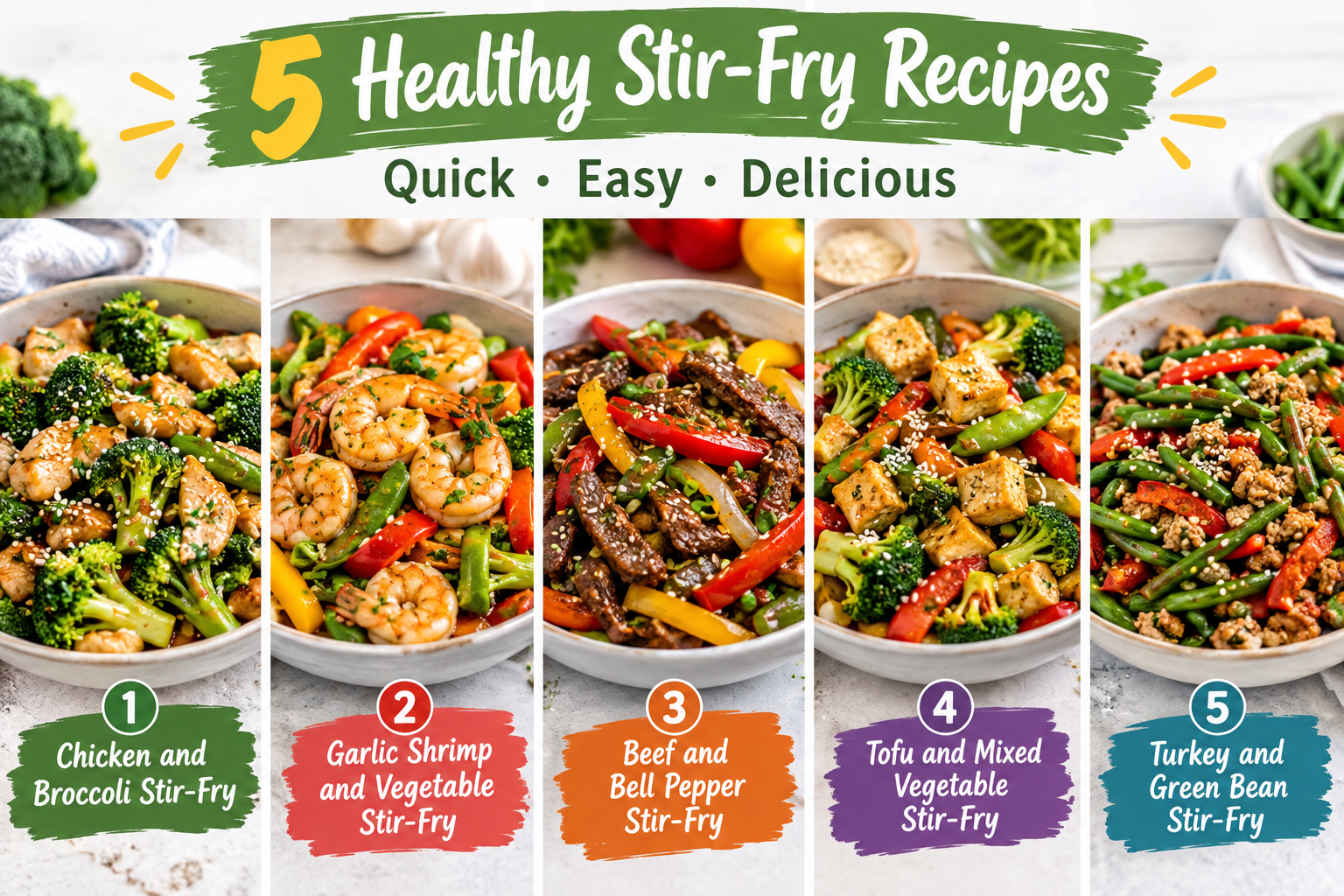
1. Chicken and Broccoli Stir-Fry
Prep time: 8 minutes
Cook time: 12 minutes
Total time: 20 minutes
Servings: 2
This classic chicken and broccoli stir-fry is a fantastic place to start if you want an easy weeknight dinner. Tender chicken breast is combined with crisp broccoli, carrots, garlic, and ginger, then coated in a light savory sauce. Serve it over brown rice for a more filling meal or cauliflower rice if you want a lighter option. The recipe follows the same basic stir-fry structure used in USDA's chicken stir-fry recipe, while keeping the ingredient list simple for a fast home-cooked dinner.
Ingredients:
8 oz boneless, skinless chicken breast, thinly sliced
2 cups broccoli florets
1 small carrot, thinly sliced
1/2 bell pepper, sliced
2 garlic cloves, minced
1 teaspoon grated fresh ginger
1 tablespoon reduced-sodium soy sauce
1 teaspoon sesame oil
1 teaspoon honey
1 teaspoon olive or avocado oil
1 tablespoon water
Instructions:
Heat the oil in a large skillet over medium-high heat. Add the chicken and cook for about 4 to 5 minutes, turning occasionally, until cooked through. Add the broccoli, carrot, bell pepper, garlic, and ginger and stir-fry for another 4 to 5 minutes. Whisk the soy sauce, honey, sesame oil, and water together, pour it into the pan, and toss everything for another 1 to 2 minutes.
Approximate nutrition per serving: 330 calories, 34g protein, 20g carbohydrates, 12g fat, and 5g fiber.
2. Garlic Shrimp and Vegetable Stir-Fry
Prep time: 7 minutes
Cook time: 10 minutes
Total time: 17 minutes
Servings: 2
Shrimp is one of the easiest proteins to use when you need dinner quickly because it cooks in just a few minutes. This version combines shrimp with zucchini, bell pepper, snow peas, garlic, and a bright lemon-soy sauce. The result is light but satisfying, with plenty of fresh flavor. Serve it with quinoa or brown rice if you want additional carbohydrates, or enjoy it on its own for a lower-carb dinner.
Ingredients:
8 oz peeled and deveined shrimp
1 small zucchini, sliced
1/2 red bell pepper, sliced
1 cup snow peas
2 garlic cloves, minced
1 tablespoon reduced-sodium soy sauce
1 teaspoon lemon juice
1 teaspoon sesame oil
1 teaspoon avocado oil
Pinch of black pepper
Instructions:
Heat the avocado oil in a large skillet. Add the shrimp and cook for approximately 2 minutes on each side, or until opaque and cooked through. Transfer the shrimp to a plate and add the zucchini, bell pepper, snow peas, and garlic. Cook for about 4 minutes, then return the shrimp to the skillet and add soy sauce, lemon juice, sesame oil, and black pepper. Toss for another minute and serve immediately.
Approximate nutrition per serving: 270 calories, 29g protein, 14g carbohydrates, 11g fat, and 4g fiber.
3. Beef and Bell Pepper Stir-Fry
Prep time: 8 minutes
Cook time: 12 minutes
Total time: 20 minutes
Servings: 2
Thinly sliced lean beef cooks quickly and pairs naturally with sweet bell peppers and onions. This recipe uses a simple ginger-garlic sauce rather than a heavy coating, allowing the beef and vegetables to remain the stars of the dish. If you want extra heat, add crushed red pepper flakes. Brown rice makes an excellent side because its nutty flavor balances the savory beef.
Ingredients:
8 oz lean beef sirloin, thinly sliced
1 red bell pepper, sliced
1 yellow bell pepper, sliced
1/2 onion, sliced
2 garlic cloves, minced
1 teaspoon grated ginger
1 tablespoon reduced-sodium soy sauce
1 teaspoon rice vinegar
1 teaspoon sesame oil
1 teaspoon avocado oil
Instructions:
Heat the oil in a large skillet over high heat. Add the beef in a single layer and cook for 2 to 3 minutes, stirring occasionally. Add the peppers, onion, garlic, and ginger and continue cooking for about 5 minutes. Stir in the soy sauce, rice vinegar, and sesame oil, then cook for another 1 to 2 minutes until the vegetables are crisp-tender.
Approximate nutrition per serving: 360 calories, 31g protein, 18g carbohydrates, 18g fat, and 4g fiber.
4. Tofu and Mixed Vegetable Stir-Fry
Prep time: 8 minutes
Cook time: 12 minutes
Total time: 20 minutes
Servings: 2
Tofu is an excellent choice when you want a meat-free stir-fry that still feels substantial. The trick is to use firm or extra-firm tofu and cook it until the outside becomes lightly golden. Add broccoli, mushrooms, carrots, and bell peppers for a colorful vegetable combination. A ginger-lime sauce gives the dish a fresh flavor that works especially well with tofu.
Ingredients:
8 oz extra-firm tofu, cubed
1 cup broccoli
1 cup sliced mushrooms
1/2 carrot, thinly sliced
1/2 bell pepper
2 garlic cloves
1 teaspoon ginger
1 tablespoon reduced-sodium soy sauce
1 teaspoon lime juice
1 teaspoon sesame oil
1 teaspoon avocado oil
Instructions:
Pat the tofu dry and cut it into small cubes. Heat the oil in a skillet and cook the tofu for 5 to 6 minutes, turning occasionally. Add the broccoli, mushrooms, carrot, bell pepper, garlic, and ginger and cook for another 5 minutes. Stir in soy sauce, lime juice, and sesame oil, toss well, and cook for one additional minute.
Approximate nutrition per serving: 310 calories, 21g protein, 20g carbohydrates, 17g fat, and 5g fiber.
5. Turkey and Green Bean Stir-Fry
Prep time: 7 minutes
Cook time: 13 minutes
Total time: 20 minutes
Servings: 2
Ground turkey makes this stir-fry especially quick because it requires almost no slicing. Green beans provide a satisfying crunch, while carrots and onions add sweetness. A garlic and ginger sauce brings everything together without making the dish overly heavy. This is a useful recipe for meal prep because it reheats well and can be served with rice or quinoa.
Ingredients:
8 oz lean ground turkey
1 1/2 cups green beans
1 carrot, thinly sliced
1/2 onion, sliced
2 garlic cloves
1 teaspoon ginger
1 tablespoon reduced-sodium soy sauce
1 teaspoon rice vinegar
1 teaspoon sesame oil
1 teaspoon avocado oil
Instructions:
Heat the oil in a skillet and add the turkey. Cook for about 5 minutes, breaking it into small pieces as it browns. Add green beans, carrot, onion, garlic, and ginger and cook for approximately 6 minutes. Add soy sauce, rice vinegar, and sesame oil, then toss everything together and cook for another minute.
Approximate nutrition per serving: 320 calories, 30g protein, 18g carbohydrates, 14g fat, and 5g fiber.
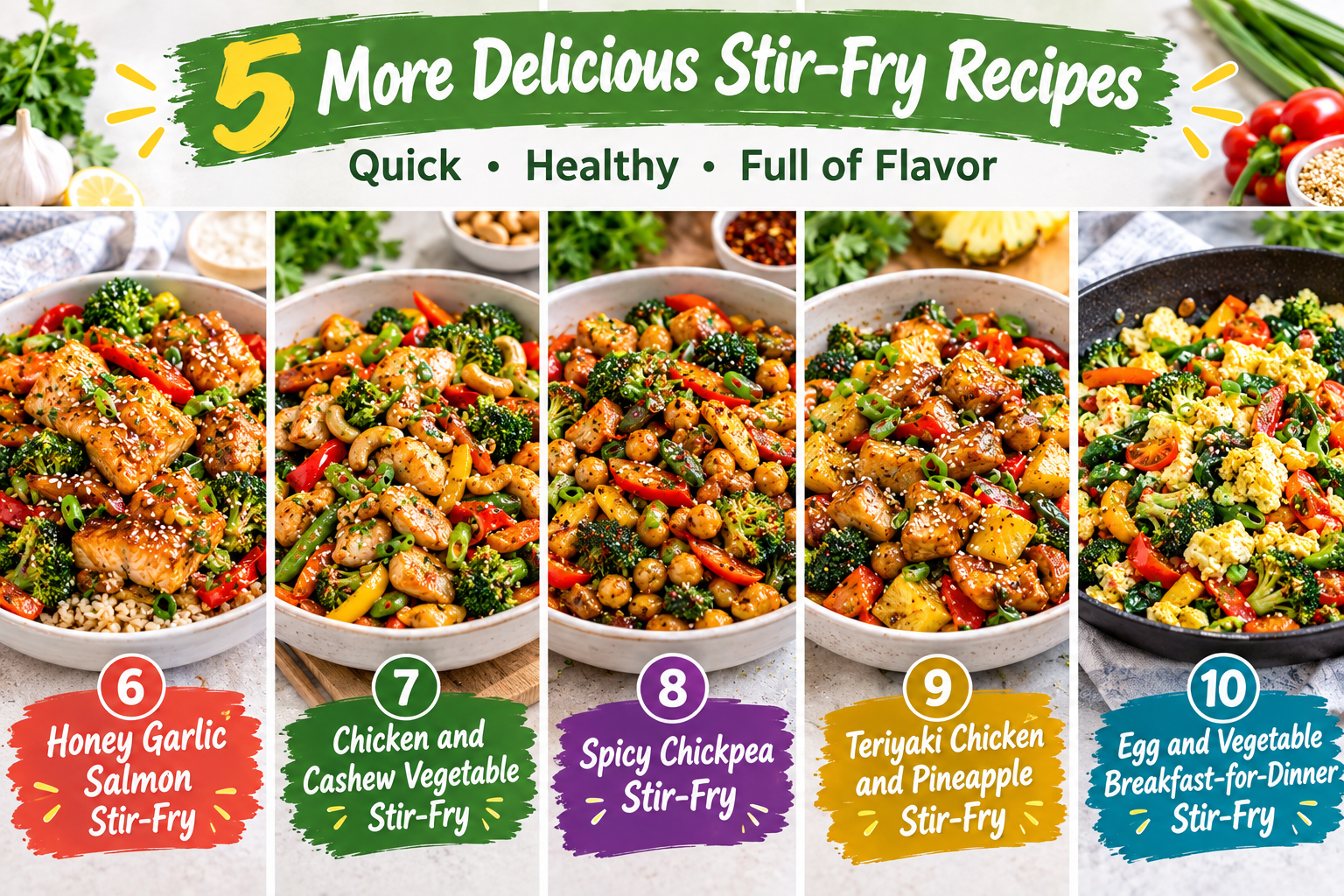
6. Honey Garlic Salmon Stir-Fry
Prep time: 8 minutes
Cook time: 12 minutes
Total time: 20 minutes
Servings: 2
Salmon may not be the first protein that comes to mind when you hear stir-fry, but it works beautifully when cut into bite-sized pieces. The rich fish pairs with crunchy vegetables and a light honey-garlic glaze. Keep the salmon pieces relatively large so they remain tender while cooking. Serve with quinoa or brown rice for a complete meal.
Ingredients:
8 oz salmon fillet, skin removed and cubed
1 cup broccoli
1/2 bell pepper
1 small zucchini
2 garlic cloves
1 teaspoon honey
1 tablespoon reduced-sodium soy sauce
1 teaspoon lemon juice
1 teaspoon sesame oil
1 teaspoon avocado oil
Instructions:
Heat the avocado oil in a skillet and add the salmon pieces. Cook gently for about 3 minutes per side, turning carefully. Add broccoli, bell pepper, zucchini, and garlic and cook for approximately 4 to 5 minutes. Mix the honey, soy sauce, lemon juice, and sesame oil, then pour the sauce into the pan. Toss gently for another minute.
Approximate nutrition per serving: 390 calories, 31g protein, 17g carbohydrates, 22g fat, and 4g fiber.
7. Chicken and Cashew Vegetable Stir-Fry
Prep time: 8 minutes
Cook time: 12 minutes
Total time: 20 minutes
Servings: 2
If you enjoy a little crunch with your dinner, this chicken and cashew stir-fry is a winner. Cashews add texture and richness, while broccoli, carrots, and peppers provide freshness and color. Because nuts are calorie-dense, a small portion goes a long way. The result is a flavorful meal that feels restaurant-inspired without requiring complicated cooking.
Ingredients:
8 oz chicken breast, thinly sliced
1 cup broccoli
1/2 bell pepper
1 carrot
2 garlic cloves
1 tablespoon reduced-sodium soy sauce
1 teaspoon honey
1 teaspoon sesame oil
2 tablespoons unsalted cashews
1 teaspoon avocado oil
Instructions:
Cook the chicken in avocado oil for 5 minutes. Add broccoli, pepper, carrot, and garlic and stir-fry for another 5 minutes. Mix soy sauce, honey, and sesame oil and add the sauce to the skillet. Toss for 1 to 2 minutes, then sprinkle with cashews before serving.
Approximate nutrition per serving: 390 calories, 35g protein, 22g carbohydrates, 19g fat, and 5g fiber.
8. Spicy Chickpea Stir-Fry
Prep time: 7 minutes
Cook time: 10 minutes
Total time: 17 minutes
Servings: 2
This chickpea stir-fry is a budget-friendly vegetarian option that comes together quickly. Chickpeas provide substance, while cabbage, bell pepper, spinach, and carrots add plenty of texture. A spicy garlic sauce keeps the dish exciting without requiring a long ingredient list. Serve it over brown rice, quinoa, or whole-grain noodles when you want a more substantial dinner.
Ingredients:
1 1/2 cups cooked chickpeas
1 cup shredded cabbage
1/2 bell pepper
1 carrot
1 cup spinach
2 garlic cloves
1 teaspoon grated ginger
1 tablespoon reduced-sodium soy sauce
1 teaspoon lime juice
1/4 teaspoon crushed red pepper
1 teaspoon sesame oil
Instructions:
Heat sesame oil in a skillet and add the cabbage, bell pepper, carrot, garlic, and ginger. Stir-fry for approximately 5 minutes. Add chickpeas and spinach and cook until the spinach wilts. Stir in soy sauce, lime juice, and crushed red pepper, then cook for another 1 to 2 minutes.
Approximate nutrition per serving: 300 calories, 13g protein, 45g carbohydrates, 8g fat, and 12g fiber.
9. Teriyaki Chicken and Pineapple Stir-Fry
Prep time: 8 minutes
Cook time: 12 minutes
Total time: 20 minutes
Servings: 2
Sweet pineapple can make a simple chicken stir-fry feel completely different. The combination of juicy pineapple, crunchy bell pepper, broccoli, and tender chicken creates a balance of sweet and savory flavors. To keep the recipe lighter, use a modest amount of homemade teriyaki-style sauce rather than coating everything in a thick sugary glaze. The pineapple provides plenty of natural sweetness on its own.
Ingredients:
8 oz chicken breast, sliced
1/2 cup pineapple chunks
1 cup broccoli
1/2 bell pepper
1/2 cup snap peas
2 garlic cloves
1 tablespoon reduced-sodium soy sauce
1 teaspoon honey
1 teaspoon rice vinegar
1 teaspoon sesame oil
1 teaspoon avocado oil
Instructions:
Cook the chicken in avocado oil for about 5 minutes. Add broccoli, bell pepper, snap peas, and garlic and stir-fry for another 5 minutes. Add pineapple and cook for 1 minute. Mix soy sauce, honey, rice vinegar, and sesame oil, pour the mixture into the pan, and toss for another minute.
Approximate nutrition per serving: 350 calories, 33g protein, 30g carbohydrates, 11g fat, and 5g fiber.
10. Egg and Vegetable Breakfast-for-Dinner Stir-Fry
Prep time: 7 minutes
Cook time: 10 minutes
Total time: 17 minutes
Servings: 2
Who says stir-fry has to be made with chicken or beef? Eggs create an inexpensive and incredibly fast protein option for busy nights. This recipe combines scrambled eggs with mushrooms, spinach, bell pepper, broccoli, and green onions. It is especially useful when the refrigerator looks nearly empty because you can substitute almost any quick-cooking vegetable.
Ingredients:
4 large eggs
1 cup mushrooms, sliced
1 cup spinach
1/2 bell pepper
1/2 cup broccoli
2 green onions
2 garlic cloves
1 teaspoon reduced-sodium soy sauce
1 teaspoon sesame oil
1 teaspoon avocado oil
Instructions:
Whisk the eggs in a bowl. Heat avocado oil in a skillet and scramble the eggs until just set, then transfer them to a plate. Add mushrooms, bell pepper, broccoli, garlic, and green onions to the skillet and cook for about 5 minutes. Add spinach and cook until wilted. Return the eggs to the skillet, add soy sauce and sesame oil, and toss everything together.
Approximate nutrition per serving: 250 calories, 16g protein, 13g carbohydrates, 16g fat, and 4g fiber.
Tips for Making Stir-Fry in 20 Minutes
The biggest mistake people make with quick stir-fry is starting the cooking before preparing the ingredients. Once your pan is hot, everything happens quickly. If you are still chopping carrots while the garlic is burning, the meal will become stressful instead of convenient. Spend five minutes getting everything ready first, and the actual cooking becomes much easier.
Another useful trick is to avoid overcrowding your pan. When too many ingredients are packed into a small skillet, vegetables release moisture and begin steaming. You lose the lightly browned edges and crisp texture that make stir-fry so appealing. If necessary, cook the protein separately and combine everything at the end.
Keep a small collection of stir-fry essentials in your pantry. Reduced-sodium soy sauce, rice vinegar, sesame oil, garlic, ginger, chili flakes, and honey can create dozens of flavor combinations. Frozen vegetables are another excellent shortcut for busy nights. You do not need every ingredient to be fresh for the meal to be nutritious and satisfying.
How to Serve Healthy Stir-Fry
A stir-fry can be served on its own, but adding the right base can make it more filling. Brown rice is a classic option, while quinoa provides a different texture and flavor. Whole-grain noodles can turn your vegetables and protein into a noodle bowl, while cauliflower rice works well if you prefer a lighter option.
Portion size also matters. Instead of making the rice the largest part of the bowl, allow the vegetables and protein to take center stage. Current dietary guidance emphasizes vegetables, whole grains, and protein foods as important components of healthy eating patterns.
You can also add simple toppings to make the same recipe feel new. Try sliced green onions, sesame seeds, fresh cilantro, crushed peanuts, lime wedges, or a small amount of chili sauce. These small finishing touches add flavor and texture without requiring additional cooking.
Common Stir-Fry Mistakes to Avoid
One common mistake is using too much oil. Stir-frying requires enough oil to prevent sticking and help ingredients cook, but vegetables do not need to swim in it. Start with a small amount and add more only if necessary.
Another problem is adding every ingredient at once. Different vegetables have different cooking times, so carrots and broccoli may need to enter the pan before spinach or green onions. Adding ingredients in stages helps preserve texture.
Sauce overload is another issue. A heavy sauce can quickly turn a colorful vegetable dish into something salty, sweet, and overly wet. Add the sauce toward the end and use just enough to coat the ingredients.
Finally, do not forget about food safety. When cooking chicken, make sure it reaches the appropriate safe internal temperature; USDA guidance specifies 165°F for chicken.
Meal Prep and Storage Tips
Stir-fries are excellent for meal prep because many components can be prepared ahead of time. Slice vegetables and store them in airtight containers so they are ready to drop into the pan. You can also prepare sauces in small jars and refrigerate them until needed. If you know you will have a busy evening, having the ingredients chopped before lunchtime can turn dinner into a 10-minute cooking session.
For better texture, consider storing the cooked protein and vegetables separately from rice or noodles. Reheat them in a skillet rather than relying entirely on the microwave when possible. A quick blast in a hot pan can restore some of the texture that may be lost during refrigeration.
You can also prepare a large batch and divide it into individual meal-prep containers. Add rice or quinoa to each container, top with stir-fried vegetables and protein, and refrigerate. When you are ready to eat, reheat thoroughly and add fresh toppings such as green onions or lime juice. This approach can save significant time during busy workweeks.
Why These Recipes Work for Healthy Eating
The beauty of these recipes is that they make healthy eating practical rather than complicated. Each recipe starts with a protein source, includes several vegetables, and uses a relatively simple sauce. That basic structure can help you create balanced meals without relying on highly processed convenience foods every night.
USDA/MyPlate resources encourage people to prioritize nutritious foods, while dietary guidance evaluates eating patterns using components such as total vegetables, whole grains, protein foods, seafood and plant proteins, and limits for sodium, added sugars, and saturated fat. These stir-fries can easily be adjusted to fit those principles by increasing vegetables, choosing whole-grain sides, selecting lean or plant-based proteins, and keeping sauces moderate.
The most important thing is consistency. You do not need a perfect dinner every night. A quick homemade stir-fry with vegetables and protein can be a practical choice on a night when ordering takeout feels tempting. Once you learn the basic formula, you can improvise with whatever is available.
Conclusion
Healthy stir-fry recipes ready in 20 minutes are one of the easiest ways to make busy weeknight cooking feel manageable. With the right combination of protein, vegetables, aromatics, and a flavorful sauce, you can create a complete meal without spending hours in the kitchen. Chicken, shrimp, beef, tofu, turkey, salmon, chickpeas, and eggs all work beautifully, which means you can keep your weekly menu varied without learning an entirely new cooking technique every night.
The real secret is preparation. Chop everything before the pan gets hot, use a large skillet, cook ingredients according to their cooking times, and add the sauce near the end. Keep a few pantry staples on hand, and you will always have the foundation for a fast dinner. Whether you are feeding a family, cooking for yourself, or preparing lunches for the week, these recipes give you a flexible starting point for nutritious and satisfying meals.
Healthy food does not have to mean complicated food. Sometimes the smartest dinner is simply a hot pan, colorful vegetables, a good protein, and 20 minutes of your time.
FAQs
1. Can I make a healthy stir-fry in exactly 20 minutes?
Yes. The key is preparing your ingredients before cooking begins. Thinly sliced protein and small pieces of vegetables cook quickly, while a simple homemade sauce can be mixed in less than two minutes. Having cooked rice or quinoa ready in advance can make the entire dinner even faster.
2. What vegetables are best for a quick stir-fry?
Broccoli, bell peppers, carrots, mushrooms, zucchini, cabbage, green beans, snap peas, snow peas, and spinach are excellent choices. Harder vegetables should usually be added earlier, while leafy greens can go in near the end. Using frozen mixed vegetables is also a convenient option when you are short on time.
3. What is the healthiest protein for stir-fry?
There is no single best protein for everyone. Chicken breast, shrimp, salmon, lean beef, turkey, tofu, chickpeas, and eggs can all work well. Rotating different protein sources throughout the week can help keep your meals varied.
4. How can I make stir-fry sauce healthier?
Make your own sauce using ingredients such as reduced-sodium soy sauce, garlic, ginger, rice vinegar, lime juice, sesame oil, and a small amount of honey. Controlling the ingredients lets you adjust the saltiness and sweetness. You can also use less sauce and rely on herbs, spices, citrus, and aromatics for additional flavor.
5. Can I meal-prep these 20-minute stir-fry recipes?
Absolutely. Cooked stir-fry can be divided into individual containers with rice, quinoa, or another preferred base. For the best texture, keep fresh toppings such as green onions, herbs, seeds, or lime separate until serving. Preparing chopped vegetables and sauces ahead of time can also make future stir-fry dinners much faster.
Comments
0No comments yet — be the first to share your thoughts!