Healthy Sheet Pan Chicken and Vegetables | Easy Dinner
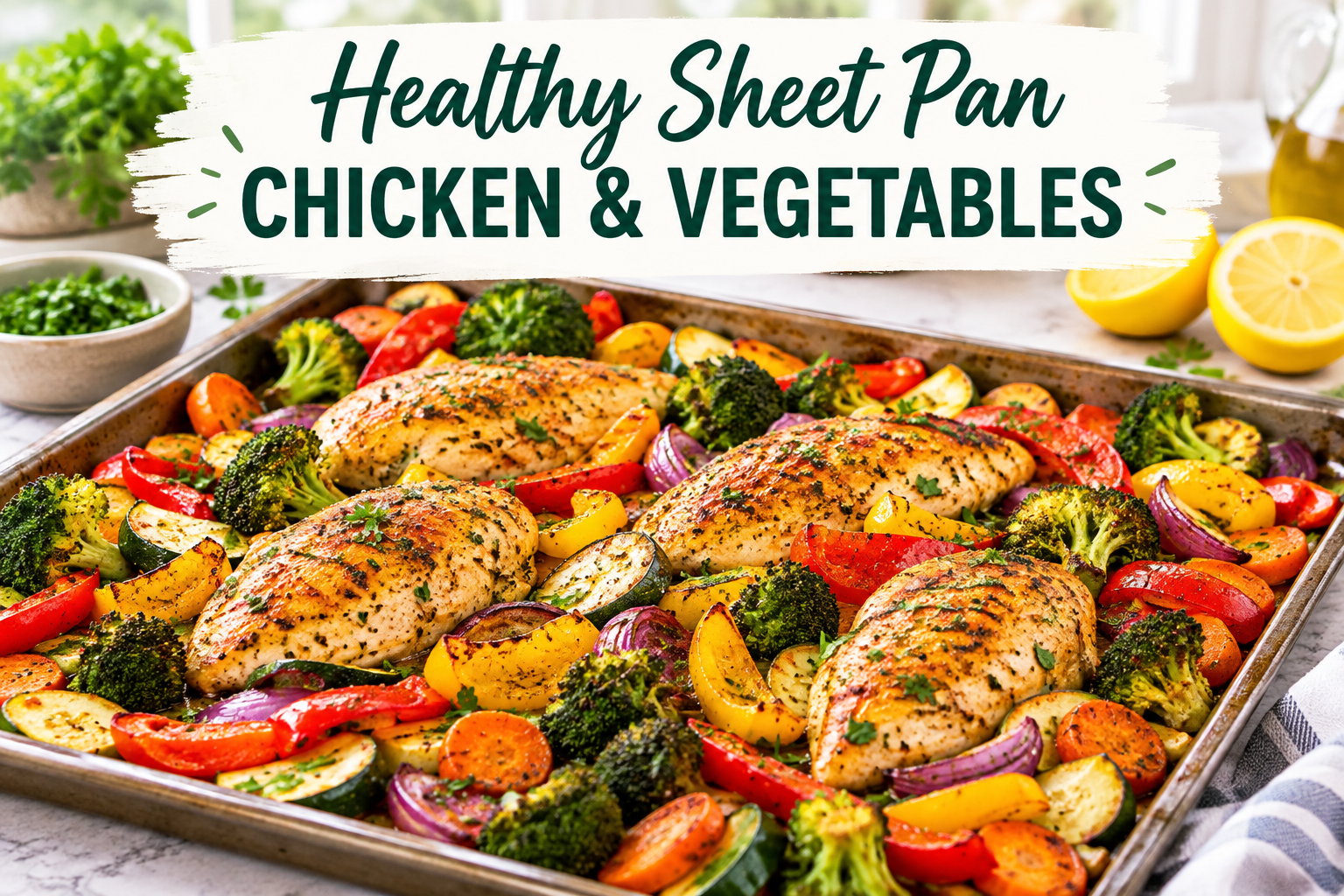
Make healthy sheet pan chicken and vegetables with tender chicken, colorful roasted veggies, garlic, herbs, and lemon. An easy 30-minute dinner for busy weeknights.
Healthy Sheet Pan Chicken and Vegetables
Why This Sheet Pan Dinner Works
A healthy sheet pan chicken and vegetables dinner is one of those recipes that makes busy evenings feel much easier without turning dinner into a complicated project. Everything cooks together on one large baking sheet, so you can prepare a satisfying meal without using several pots and pans. The chicken provides a hearty source of protein, while colorful vegetables bring texture, flavor, and a variety of nutrients to the plate. The beauty of the recipe is its flexibility: you can use the vegetables you already have, change the seasoning according to your mood, and adjust the portions depending on how many people you are feeding. Instead of thinking of healthy cooking as a long list of separate tasks, think of this meal as building a balanced plate on one pan. Olive oil, garlic, lemon, paprika, and herbs can turn simple ingredients into something that tastes much more exciting than their individual parts. It is also a practical option for people who want homemade food after a long workday but do not want to spend an hour standing at the stove. With a little preparation, the oven does most of the work while you clean up, prepare tomorrow's lunch, or simply take a few minutes to relax.
What Makes It Healthy
The nutritional appeal of this recipe comes from the combination of lean chicken and a generous amount of vegetables, rather than relying on heavy sauces or large amounts of cheese to create flavor. Chicken breast works especially well when you want a protein-rich dinner that remains relatively light, while vegetables such as broccoli, bell peppers, zucchini, carrots, and red onion add color, fiber, and satisfying volume. Using a moderate amount of olive oil helps the vegetables roast beautifully and prevents the chicken from becoming dry, while herbs and spices provide plenty of flavor without requiring a sugary glaze or creamy sauce. The 2025–2030 U.S. Dietary Guidelines have placed greater emphasis on whole foods, vegetables, protein, and reducing highly processed foods, making a meal built around recognizable ingredients a practical choice for many households. Of course, the definition of a healthy meal depends on individual nutritional needs, portions, and dietary preferences, but this basic combination gives you a useful foundation. You can also make the meal more filling by adding a modest serving of brown rice, quinoa, potatoes, or another whole-food carbohydrate. The result is a colorful dinner that feels substantial without being weighed down by unnecessary ingredients.
Why It Is Perfect for Busy Weeknights
Busy weeknight cooking often fails for one simple reason: there are too many steps between opening the refrigerator and actually eating dinner. A sheet pan recipe removes much of that friction. You chop the vegetables, season the chicken, arrange everything on the pan, and let the oven handle the cooking. There is no need to stand over a skillet constantly stirring, and there is no complicated sauce that needs to be monitored at the same time. That makes this easy chicken dinner particularly useful for families, professionals, students, or anyone trying to make healthier meals while working with limited time. Another advantage is that the recipe can be prepared in advance. Vegetables can be washed and chopped earlier in the day, and the seasoning mixture can be prepared before dinner. When cooking time arrives, everything is ready to go. The sheet pan also makes cleanup easier because there is generally only one main cooking surface to wash. For even easier cleanup, line the baking sheet with parchment paper if appropriate for your oven and recipe setup. When dinner can move from refrigerator to table with fewer decisions and fewer dishes, healthy cooking becomes much more realistic as part of a regular routine.
Ingredients You Need
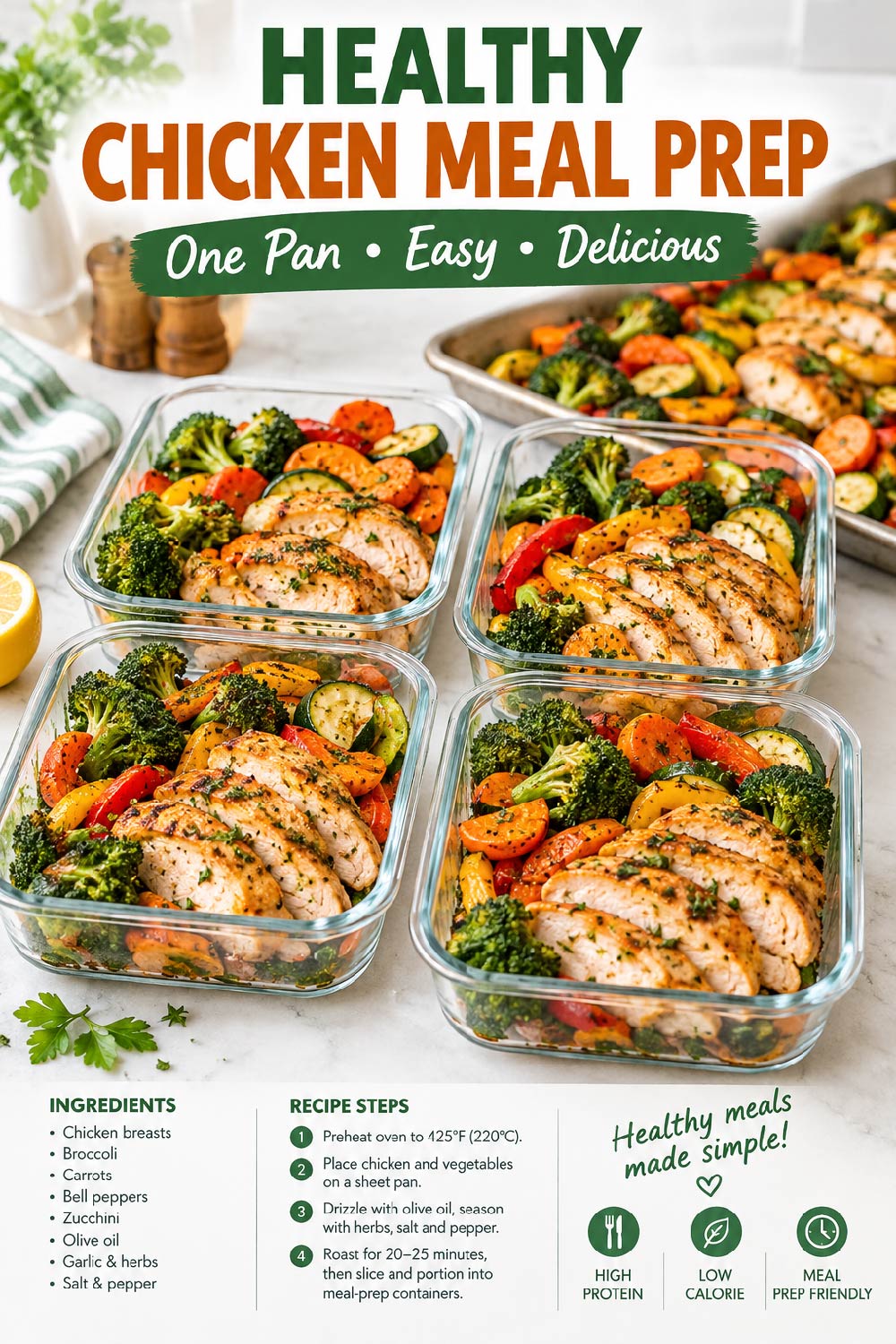
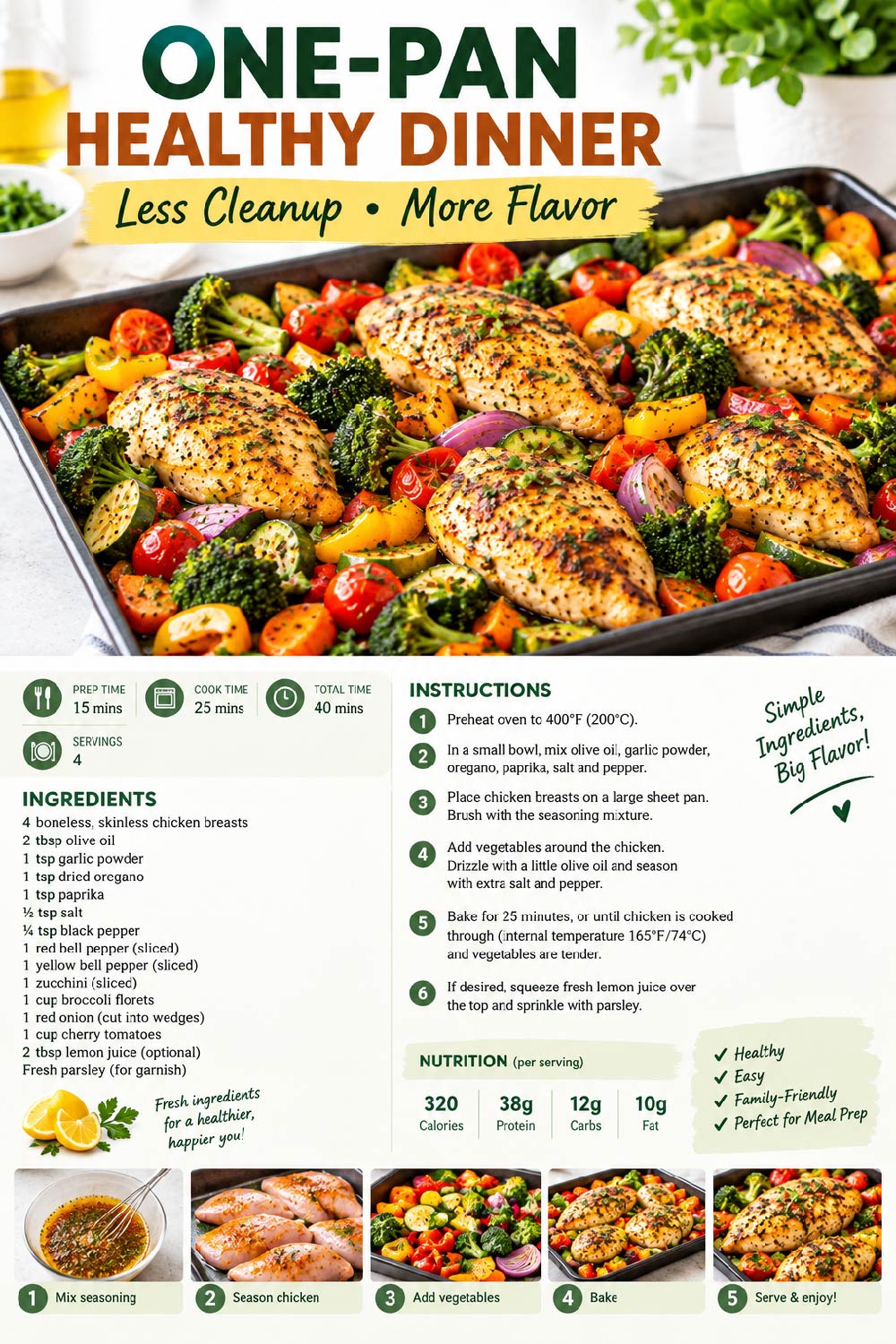
For about 4 servings, gather 1½ pounds of boneless, skinless chicken breasts, 2 cups broccoli florets, 1 large bell pepper, 1 medium zucchini, 2 medium carrots, 1 small red onion, 2 tablespoons olive oil, 3 minced garlic cloves, 1 teaspoon paprika, 1 teaspoon dried Italian seasoning, ½ teaspoon onion powder, ½ teaspoon salt, ¼ teaspoon black pepper, and the juice of half a lemon. These ingredients create a balanced combination of protein, vegetables, healthy fat, acidity, and aromatic seasoning. You do not have to follow the vegetable list exactly, because the recipe is designed to work with common roasting vegetables. Cauliflower, green beans, Brussels sprouts, mushrooms, cherry tomatoes, or yellow squash can all be used depending on what is available. If you prefer a slightly stronger flavor, add a pinch of red pepper flakes or a little extra garlic. If you enjoy Mediterranean-style meals, fresh parsley and oregano make excellent finishing herbs. The most important consideration is choosing vegetables that can tolerate roasting without becoming mushy before the chicken is done. Root vegetables such as carrots generally need more time than zucchini or bell peppers, so cutting them appropriately makes a noticeable difference. Keep the ingredients simple and fresh, because the high heat of the oven will concentrate their natural flavors and create lightly caramelized edges.
Choosing the Best Chicken
Boneless, skinless chicken breasts are a convenient choice for this recipe because they cook relatively quickly and are easy to portion. However, chicken thighs are an excellent alternative if you prefer darker meat with a richer flavor and more forgiving texture. If using chicken breasts, try to select pieces with a relatively even thickness so they cook at a similar rate. Very thick breasts can be gently flattened or sliced horizontally into thinner portions before seasoning. Cutting the chicken into medium-sized pieces is another option because smaller pieces can cook alongside vegetables more efficiently, although you should watch them closely because small pieces can dry out more quickly. Patting the chicken dry before adding oil and seasoning also helps the exterior brown more effectively. Most importantly, do not rely on color alone to determine whether chicken is safely cooked. The USDA recommends that poultry reach a safe minimum internal temperature of 165°F (74°C) measured with a food thermometer. A thermometer is especially useful when chicken pieces vary in thickness. If you use chicken thighs, they can remain juicy even when cooked beyond the minimum safe temperature, making them a good option for people who worry about dry chicken breast. Whichever cut you choose, keep raw chicken refrigerated until you are ready to prepare it and wash your hands and utensils after handling it.
Best Vegetables for Roasting
The best vegetables for a sheet pan meal are those that become tender and slightly caramelized when exposed to high heat. Broccoli is particularly useful because its florets develop crispy edges while the stems become tender. Bell peppers contribute sweetness and bright color, while zucchini adds moisture and a soft texture. Carrots provide a pleasant contrast because they become sweeter as they roast and hold their shape well. Red onion develops caramelized edges and adds a savory sweetness that works beautifully with lemon and garlic. You can also create different combinations depending on the season. In autumn, try Brussels sprouts, carrots, cauliflower, and red onion; during warmer months, zucchini, bell peppers, cherry tomatoes, and green beans can create a lighter combination. Avoid cutting every vegetable into identical shapes simply for appearance. Instead, consider how quickly each vegetable cooks. Dense carrots should be cut smaller or thinner than quick-cooking zucchini. Broccoli florets should be reasonably similar in size so some pieces do not burn while others remain firm. If you are using vegetables with very different cooking times, you can add the quicker-cooking ingredients later. This small adjustment can make the final sheet pan dinner taste more polished and evenly roasted.
How to Make Healthy Sheet Pan Chicken and Vegetables
Start by preheating your oven to 425°F (220°C) and lining a large rimmed baking sheet if desired. Cut the chicken into evenly sized pieces and prepare the vegetables, keeping dense vegetables such as carrots slightly smaller than softer vegetables such as zucchini. In a small bowl, combine olive oil, minced garlic, paprika, Italian seasoning, onion powder, salt, pepper, and lemon juice. Add the chicken to a large bowl and coat it with part of the seasoning mixture, then toss the vegetables with the remaining mixture. Spread everything across the baking sheet in a single layer, leaving enough space between pieces for hot air to circulate. Roast for approximately 20 to 30 minutes, depending on the size and thickness of the chicken and vegetables. Stir or turn the vegetables halfway through cooking if needed for more even browning. The exact cooking time can vary significantly, so use visual cues for the vegetables and a food thermometer for the chicken. The chicken should reach at least 165°F in the thickest portion. Once the chicken is cooked, allow it to rest for a few minutes before serving. Finish with fresh lemon juice, chopped parsley, or a sprinkle of additional herbs. This simple method creates tender chicken with roasted vegetables and browned edges, all without requiring a complicated cooking technique.
Prep the Chicken and Vegetables
Good preparation is the secret to making this recipe feel effortless. Before turning on the oven, gather your ingredients and place everything you need within reach. Pat the chicken dry, then cut it into pieces that are similar in size. Wash the vegetables and dry them thoroughly because excess surface moisture can cause steaming instead of roasting. Cut carrots into thin diagonal pieces or small chunks, slice the bell pepper into strips, cut zucchini into half-moons, divide broccoli into medium florets, and cut red onion into wedges. Keeping the pieces reasonably uniform within each vegetable helps them cook consistently. Next, mix the olive oil, garlic, herbs, and spices in a small bowl. This is better than sprinkling every seasoning separately over the pan because the oil helps distribute the flavors more evenly. Toss the chicken separately from the vegetables if you want tighter control over seasoning and food safety during preparation. Keep your cutting board and utensils clean after they come into contact with raw chicken. Once everything is seasoned, you should be able to move directly from preparation to the baking sheet. The entire process becomes much faster when the ingredients are prepared before the oven is opened, and this simple habit can make weeknight cooking feel far less chaotic.
Build the Sheet Pan
Once your chicken and vegetables are prepared, arrange them carefully instead of simply dumping everything onto the tray. Spread the ingredients into one reasonably even layer and avoid piling chicken pieces on top of one another. The same applies to the vegetables: if they are packed tightly together, moisture can become trapped between pieces, leading to softer vegetables rather than those desirable browned edges. If your sheet pan is too small, use two pans instead of trying to force everything onto one. Place larger or denser vegetable pieces where they can receive direct heat from the pan, while smaller pieces can occupy the remaining spaces. If you want particularly browned vegetables, place them cut-side down where possible. You can also roast the carrots and chicken first and add zucchini or tomatoes later if you want different textures. A sheet pan meal is not supposed to be rigid; it is more like a flexible formula. Protein + vegetables + oil + seasoning + high heat gives you the basic structure, and the rest can be customized. Once everything is arranged, place the tray in the fully preheated oven. Resist the temptation to open the oven repeatedly because each opening releases heat and can extend the cooking process.
Roast Until Golden and Tender
The roasting stage is where the simple ingredients transform into a complete meal. At approximately 425°F, the hot oven encourages moisture to evaporate from the surface of the vegetables while their natural sugars begin to brown. The chicken cooks through while absorbing the flavors of garlic, paprika, herbs, lemon, and olive oil. After about 10 to 15 minutes, check the pan and turn the vegetables if necessary. Some ovens heat more strongly from one side, so rotating the tray can also encourage more even browning. Continue roasting until the vegetables are tender and the chicken is fully cooked. Use a food thermometer to check the thickest part of the chicken rather than relying on appearance. USDA guidance identifies 165°F as the safe minimum internal temperature for poultry. When the chicken reaches that temperature, remove the pan from the oven and allow the meat to rest briefly. The vegetables should have browned edges while retaining enough structure to provide texture. Finish with lemon juice and fresh herbs just before serving. That final touch can brighten the entire dish and balance the savory roasted flavors.
How to Get Crispy Chicken and Roasted Vegetables
If you want your sheet pan chicken and vegetables to look and taste restaurant-worthy, focus on moisture, spacing, and temperature. First, make sure the vegetables are dry before seasoning them. Wet vegetables release more steam, and steam is the enemy of crisp edges. Second, avoid drowning the ingredients in oil; a light coating is usually enough to encourage browning without making the dish greasy. Third, use a large sheet pan so the chicken and vegetables have room around them. High oven heat works best when air can move freely across the ingredients. You can also place the vegetables with their cut sides touching the pan because direct contact helps create browned surfaces. Another useful trick is to avoid stirring too often. Constant movement prevents the ingredients from staying in contact with the hot pan long enough to develop color. Let them roast undisturbed for several minutes before checking them. If the chicken cooks faster than the vegetables, remove it when it reaches a safe temperature and allow the vegetables to continue roasting. That prevents overcooked chicken while giving the vegetables additional time to caramelize. The goal is not to make every ingredient identical in texture. A great sheet pan dinner should have juicy chicken, tender vegetables, and a few crispy, deeply browned edges.
Avoid Overcrowding the Pan
Overcrowding is probably the most common reason a sheet pan dinner turns out soft rather than roasted. When too many ingredients are squeezed onto one pan, the moisture released during cooking has nowhere to escape efficiently. Instead of roasting, the vegetables begin to steam in their own moisture. The chicken can also become pale on the outside because there is not enough hot air and direct pan contact to encourage browning. The easiest solution is surprisingly simple: use a larger pan or divide the food between two pans. It may feel like using two trays creates more cleanup, but the improvement in texture is usually worth it. If you only have one pan, reduce the amount of vegetables or cook them in batches. Spread each ingredient so that you can see some of the baking sheet between pieces. This does not mean every ingredient needs a huge amount of space, but avoid creating a thick pile. Overcrowding is especially problematic when using watery vegetables such as zucchini or mushrooms. If you love those vegetables, simply give them enough room and consider adding them later in the cooking process. A little spacing can turn limp vegetables into beautifully caramelized pieces with crisp edges and concentrated flavor.
Cut Vegetables for Even Cooking
Knife work matters more than many people realize when preparing a sheet pan dinner. Imagine placing a whole carrot beside a thin slice of zucchini and expecting both to become tender at exactly the same time. It simply will not happen because the ingredients have different densities, moisture levels, and thicknesses. Instead, cut dense vegetables into smaller pieces and softer vegetables into larger pieces. Carrots can be sliced into thin coins or small sticks, while zucchini can be cut into thicker half-moons. Bell peppers can be cut into medium strips, and broccoli can be separated into florets that are similar in size. Red onion can be cut into wedges so the layers soften while the outer edges brown. If you are adding potatoes, cut them relatively small or parboil them first because potatoes usually need more time than zucchini or peppers. Another approach is to stagger the ingredients. Start the chicken and dense vegetables first, then add quick-cooking vegetables after 10 minutes. This technique gives you more control over the final texture. Once you understand how different vegetables respond to heat, you can create countless combinations without needing to follow a recipe exactly.
Easy Seasoning Ideas
One of the best features of this recipe is that the seasoning can change the personality of the entire meal. For a classic version, use garlic, paprika, Italian seasoning, black pepper, lemon juice, and olive oil. For a Mediterranean-inspired variation, add oregano, parsley, lemon zest, and a pinch of red pepper flakes, then serve the finished meal with a spoonful of plain Greek yogurt or hummus. For a smoky version, use smoked paprika, garlic powder, onion powder, cumin, and a small amount of chili powder. If you prefer a milder family-friendly meal, keep the seasoning simple with garlic, paprika, dried herbs, salt, and pepper. You can also create a lemon-herb version by combining fresh lemon zest, dried oregano, thyme, parsley, garlic, and olive oil. Avoid adding too much liquid marinade directly to the pan because excess moisture can interfere with browning. Instead, use a relatively dry seasoning mixture and add fresh lemon juice or a light sauce after roasting. This allows the vegetables to caramelize while still giving the finished dish plenty of brightness. Changing the seasoning is an easy way to make the same basic recipe feel different throughout the month, which is especially useful when meal prepping.
Healthy Serving Ideas
This healthy chicken sheet pan dinner can be served on its own, but adding a simple side can make it more substantial depending on your appetite and nutritional needs. For a balanced bowl-style meal, serve the roasted chicken and vegetables over brown rice, quinoa, farro, or another grain you enjoy. You can also add roasted potatoes directly to the sheet pan if you want your carbohydrate and vegetables to cook together. For a lighter option, place the chicken and vegetables over mixed greens and drizzle them with lemon juice and a small amount of olive oil. A spoonful of hummus can add creaminess and a Mediterranean-style flavor without requiring a complicated sauce. Greek yogurt mixed with lemon, garlic, and herbs also makes a quick cooling sauce. If you enjoy spicy food, add chili flakes or a little hot sauce after cooking. For family dinners, place all the components in separate serving dishes and allow everyone to build their own plate. This makes the recipe especially adaptable for households with different preferences. Children might prefer chicken with carrots and broccoli, while adults can add extra peppers, onions, herbs, or spice. The same tray can therefore become several different meals without requiring additional cooking.
Meal Prep and Storage
Sheet pan chicken and vegetables are excellent for meal prep, especially when you need practical lunches or dinners during a busy week. Once the food has cooled appropriately, divide it into airtight containers and refrigerate it promptly. USDA guidance states that cooked chicken can generally be refrigerated for 3 to 4 days when stored properly. For the best texture, store sauces separately and add them just before eating. If you are preparing several portions, you can pair the chicken and vegetables with different sides so the meals do not feel repetitive. For example, one container can include quinoa and lemon yogurt sauce, another can include brown rice and hummus, and another can be served over salad greens. When reheating, use a microwave or oven until the food is thoroughly hot. If the vegetables become softer after refrigeration, reheating them in an oven or air fryer can help restore some texture. You can also prepare the raw vegetables and seasoning mixture ahead of time and refrigerate them separately, then roast everything fresh when needed. This approach often produces better texture than cooking an entire batch several days ahead. Meal prep does not have to mean eating identical meals every day; it simply means doing some of the work when you have more time.
Ingredient Substitutions
This recipe is intentionally flexible, which means you can adapt it around your pantry, budget, dietary preferences, and seasonal produce. Chicken thighs can replace chicken breasts if you want richer flavor and a juicier texture. Turkey breast can also work, provided it is cooked to the appropriate safe temperature. For vegetables, broccoli can be replaced with cauliflower, zucchini with yellow squash, and bell peppers with additional green beans or mushrooms. If you want more carbohydrates, add small cubes of sweet potato or regular potato, keeping in mind that dense vegetables need more cooking time. Olive oil can be replaced with another cooking oil that suits your dietary preferences, although the amount should remain moderate. Fresh garlic can be replaced with garlic powder when convenience matters. Dried herbs can stand in for fresh herbs, although fresh herbs are best added toward the end for a brighter flavor. If you avoid dairy, simply skip yogurt-based sauces. If you want a gluten-free meal, the basic recipe is naturally adaptable because it does not require wheat-based ingredients. Always check packaged seasonings, sauces, or prepared ingredients if you need to avoid specific allergens. The most useful mindset is to treat the recipe as a framework rather than a strict rulebook.
Common Mistakes to Avoid
Even a simple sheet pan dinner can go wrong if a few small details are overlooked. One common mistake is using a pan that is too small, which causes overcrowding and steaming. Another is cutting vegetables into random sizes, leaving some pieces burned while others remain undercooked. A third mistake is using excessive oil or wet marinade, which can make the vegetables greasy or prevent them from developing crisp edges. Some cooks also open the oven repeatedly, which allows heat to escape and slows the roasting process. Another problem is assuming chicken is cooked because the outside looks browned. Chicken color is not a reliable indicator of safety, so checking the internal temperature with a food thermometer is the better approach. USDA guidance recommends 165°F for poultry. Finally, avoid removing the chicken too late simply because the vegetables are not finished. If the chicken reaches a safe temperature first, take it off the pan and allow the vegetables to continue roasting. These small adjustments can make a dramatic difference. Once you avoid overcrowding, control vegetable size, manage moisture, and check chicken temperature properly, the recipe becomes much more dependable.
Conclusion
A healthy sheet pan chicken and vegetables recipe proves that nutritious home cooking does not have to be complicated, expensive, or time-consuming. With chicken, colorful vegetables, olive oil, garlic, herbs, and a few basic seasonings, you can create a satisfying dinner using one main pan and a straightforward cooking method. The recipe is especially useful for busy weeknights because most of the work happens before the tray enters the oven. Once you understand the basic technique, you can swap vegetables, change seasonings, add a grain, or create different sauces to keep the meal interesting. The key is to give the ingredients enough room, cut vegetables according to their cooking times, and use a thermometer to verify that the chicken reaches a safe internal temperature. Whether you are cooking for your family, preparing lunches for work, or simply trying to make healthier dinners at home, this recipe gives you a practical starting point. Keep the ingredients simple, let the oven create those delicious roasted edges, and make the recipe your own. Sometimes the easiest healthy dinner is also the one you will actually want to make again next week.
FAQs
1. How long does healthy sheet pan chicken and vegetables take to cook?
Most versions take approximately 20 to 30 minutes in an oven preheated to 425°F, although the exact time depends on the size of the chicken pieces and vegetables. Thin chicken pieces and smaller vegetables will cook faster than large pieces. The most reliable way to check the chicken is with a food thermometer rather than relying only on appearance. Poultry should reach a safe minimum internal temperature of 165°F (74°C). If your vegetables need additional browning after the chicken is finished, remove the chicken and return the vegetables to the oven for a few extra minutes. This helps prevent dry chicken while still giving you beautifully roasted vegetables.
2. Can I use chicken thighs instead of chicken breast?
Yes, chicken thighs are an excellent substitute and can make the meal particularly juicy and flavorful. Boneless, skinless thighs work well because they are easy to cut into similar-sized pieces and roast alongside vegetables. They may require slightly different cooking times depending on their size, so check the thickest piece with a food thermometer. The USDA recommends that poultry reach at least 165°F internally for safety. Thighs are also more forgiving if you accidentally leave them in the oven a little longer than planned. If you prefer a richer flavor and softer texture, thighs may actually become your favorite version of this recipe.
3. What vegetables work best with sheet pan chicken?
Broccoli, bell peppers, carrots, zucchini, red onion, cauliflower, green beans, Brussels sprouts, and sweet potatoes are all good choices. The key is not simply choosing vegetables you enjoy but also considering their cooking times. Dense vegetables should be cut smaller or started earlier, while quick-cooking vegetables can be added later. For example, carrots and sweet potatoes generally need more time than zucchini or bell peppers. Keeping this difference in mind helps every ingredient finish at approximately the same time. You can also experiment with seasonal vegetables to keep the recipe interesting throughout the year.
4. How do I stop sheet pan vegetables from becoming soggy?
The biggest tricks are dry vegetables, enough space, high heat, and moderate oil. Wash and dry the vegetables thoroughly before seasoning them, and avoid packing too many ingredients onto one pan. If the vegetables are crowded, the moisture they release can create steam rather than allowing the surfaces to brown. A large baking sheet or two smaller pans can solve this problem. Avoid constantly stirring the vegetables because they need contact with the hot pan to develop caramelized edges. For especially crispy results, place vegetables cut-side down and leave them undisturbed for several minutes before turning them.
5. Can I make this sheet pan chicken recipe ahead of time?
Absolutely. You can prepare the chicken and vegetables several hours ahead, refrigerate them appropriately, and roast them when you are ready to eat. You can also cook the entire meal in advance and portion it into containers for several days of meal prep. Cooked chicken should be refrigerated promptly and generally used within 3 to 4 days according to USDA guidance. Store sauces separately when possible so the vegetables do not become unnecessarily soft. For the best texture when reheating, an oven or air fryer can help restore some of the roasted edges. This makes the recipe useful not only as a quick dinner but also as a practical meal-prep option.
Comments
0No comments yet — be the first to share your thoughts!