Healthy Recipes Using Cottage Cheese: 15 Easy Ideas
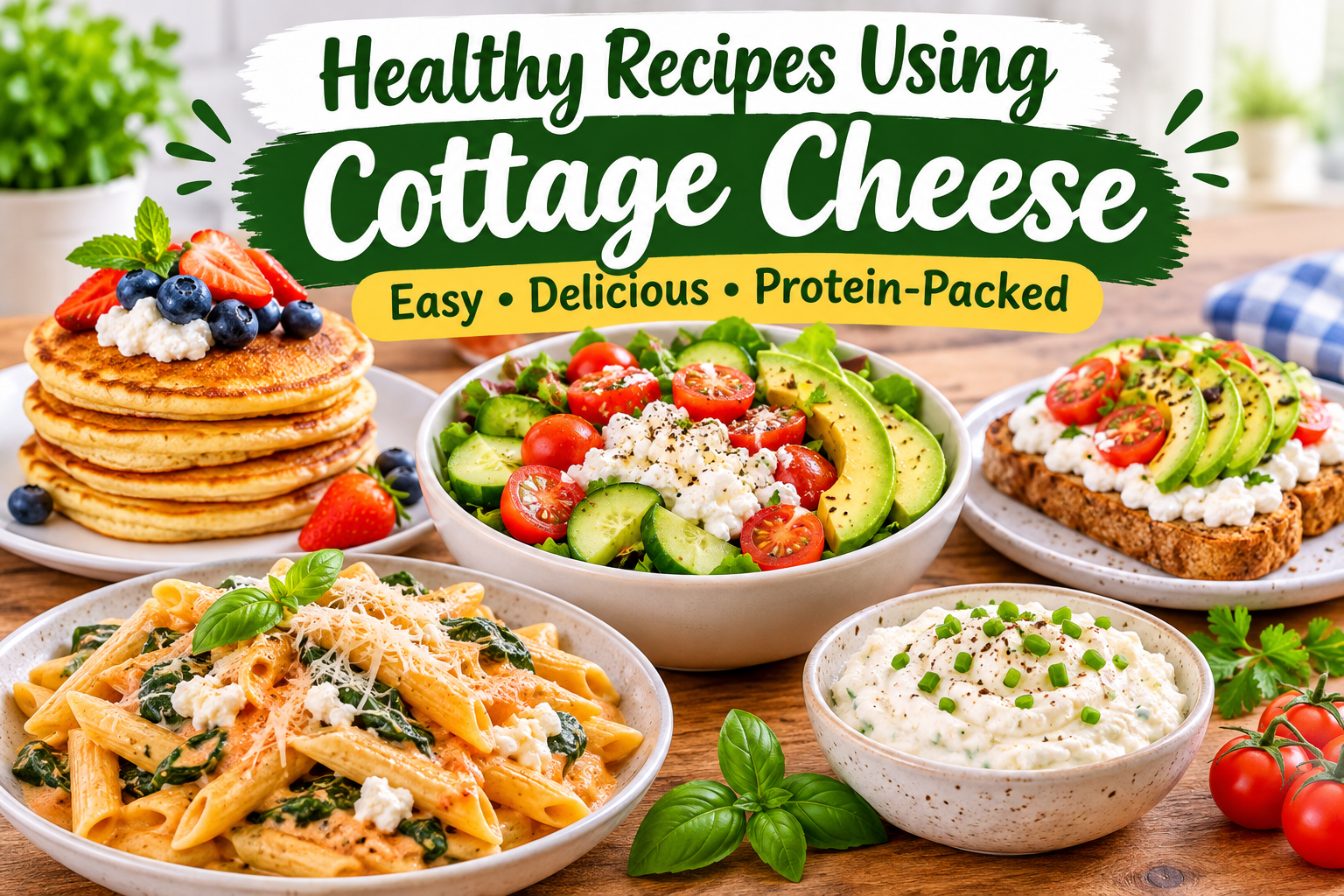
Discover easy healthy recipes using cottage cheese, from high-protein breakfasts and lunches to creamy dinners and delicious snacks. Perfect for busy days!
Healthy Recipes Using Cottage Cheese
Cottage cheese has gone from an old-fashioned refrigerator staple to one of the most useful ingredients for creating easy, high-protein meals. Its mild flavor, creamy texture, and impressive protein content make it surprisingly flexible. You can enjoy it with berries and cinnamon in the morning, blend it into a creamy pasta sauce at dinner, or turn it into a quick dip when you need a satisfying snack. Current recipe trends also show just how versatile cottage cheese has become, with recent recipe collections featuring everything from pancakes and pasta to dips, salads, desserts, and baked dishes.
If you have ever looked at a tub of cottage cheese and wondered what else you could do with it besides eating it straight from the container, you are in the right place. The secret is to stop thinking of cottage cheese as a finished dish and start treating it like a high-protein cooking ingredient. Blend it and it becomes silky; season it and it becomes a savory spread; mix it into eggs and it creates a creamy texture; combine it with fruit and it becomes a naturally satisfying breakfast. With a few simple ingredients, you can build healthy meals that fit busy mornings, quick lunches, weeknight dinners, and snack time without making your kitchen feel like a restaurant.
Why Cottage Cheese Is a Smart Ingredient
Cottage cheese is especially useful when you want meals that are filling without requiring complicated preparation. A current recipe guide from Skinnytaste notes that low-fat cottage cheese can provide substantial protein while remaining relatively low in calories, although exact nutrition varies considerably by brand and fat level. Recent nutrition-focused recipes also commonly use cottage cheese to add protein to otherwise familiar meals such as eggs, pancakes, pasta, toast, and bowls. That makes it particularly appealing for people who want practical ways to increase protein without completely changing the foods they already enjoy.
There is another reason cottage cheese works so well: it does not demand a strong flavor profile. Greek yogurt can bring noticeable tang, cream cheese can feel rich, and heavy cream can dominate a sauce, but cottage cheese can quietly support a recipe while allowing herbs, fruit, spices, vegetables, or other ingredients to remain the stars. When blended, its curds disappear and the result can become smooth enough for sauces, dips, spreads, and desserts. Food Network's current collection highlights exactly this flexibility, using cottage cheese in creamy pasta sauces, Caesar-style dressing, pancakes, crêpes, sandwiches, meatballs, and baked dishes.
Protein, Calcium, and Everyday Nutrition
One of cottage cheese's biggest attractions is its protein content. Recent nutrition coverage from The New York Times describes cottage cheese as providing roughly 13 grams of protein per half cup, while noting that the exact amount depends on the product. Cottage cheese also supplies calcium and other nutrients, making it a useful addition to a balanced eating pattern. Instead of thinking about one ingredient as a magical health food, it makes more sense to use cottage cheese as one piece of a bigger meal that includes vegetables, fruit, whole grains, legumes, eggs, fish, poultry, or other nutritious foods.
The easiest way to make cottage cheese meals more balanced is to combine it with foods that provide what cottage cheese lacks in meaningful amounts. Add berries, apples, or kiwi for fruit and fiber; add tomatoes, cucumber, spinach, or peppers for vegetables; add oats or whole-grain toast for carbohydrates and additional fiber; and add nuts, seeds, avocado, or olive oil when you want healthy fats. This simple approach turns cottage cheese from a single high-protein ingredient into part of a complete meal. It also gives you much more variety, which is important because healthy eating becomes easier to maintain when your meals are enjoyable rather than repetitive.
Why Cottage Cheese Works in Sweet and Savory Recipes
One of the best things about cottage cheese is that it can move between sweet and savory recipes without feeling out of place. For a sweet breakfast, pair it with strawberries, blueberries, banana, cinnamon, or a small amount of honey. For savory meals, combine it with garlic, black pepper, herbs, tomatoes, spinach, avocado, tuna, chicken, or roasted vegetables. Its neutral character acts almost like a blank canvas, allowing you to create completely different dishes from the same basic ingredient.
Blending is the trick that changes the game for people who dislike the curdy texture. Recent recipe guidance recommends blending cottage cheese to create smoother dips, sauces, and other preparations. Once blended, you can use it in recipes where someone might never guess cottage cheese was involved. That makes it particularly useful for families, picky eaters, and anyone who likes the nutritional benefits but is not enthusiastic about the traditional texture.
How to Choose Cottage Cheese for Healthy Recipes
The best cottage cheese depends on the recipe and your personal preferences rather than one universally perfect product. If you are making a breakfast bowl, you may enjoy a thicker curdy variety because the texture adds interest. If you are making a pasta sauce or dessert, a smooth or easily blendable variety may be more convenient. You should also check the nutrition label because protein, calories, fat, sodium, and added ingredients can vary between brands and varieties.
For everyday cooking, choose a cottage cheese that tastes good enough to eat on its own. That simple test can save you from buying a container that sits untouched in the refrigerator. If you are sensitive to texture, look for small-curd cottage cheese or blend it before adding it to recipes. If sodium is something you monitor, compare labels because cottage cheese can contain a meaningful amount of sodium depending on the product.
Full-Fat, Low-Fat, and Fat-Free Options
Full-fat, reduced-fat, and fat-free cottage cheese can all work in healthy recipes. The choice depends on the rest of your meal and what texture you want. Full-fat varieties generally provide a richer mouthfeel, which can be helpful in dips and desserts, while lower-fat versions can work well when you are already adding ingredients such as avocado, nuts, olive oil, or cheese elsewhere in the meal.
There is no need to automatically assume that one option is healthiest for everyone. A better strategy is to consider the whole recipe. If you are making cottage cheese toast with avocado and seeds, a lower-fat cottage cheese may balance the meal nicely. If you are making a simple berry bowl with cottage cheese as the primary protein source, you may prefer a richer variety for taste and satisfaction.
Smooth vs. Curdy Cottage Cheese
Texture can make or break a cottage cheese recipe. Curdy cottage cheese is excellent when you want visible texture in a bowl, toast, wrap, or salad. Smooth cottage cheese—or cottage cheese that has been blended—is more suitable for sauces, dips, pancakes, mousses, and creamy fillings.
A blender or food processor can transform cottage cheese in seconds. For a smoother result, blend until the mixture looks creamy, scraping down the sides as needed. If the recipe becomes too thick, a small splash of milk or another liquid can loosen it. This simple technique is one of the easiest ways to make cottage cheese more versatile.
Healthy Cottage Cheese Breakfast Recipes
Breakfast is one of the easiest places to introduce cottage cheese because it pairs naturally with both sweet and savory ingredients. Instead of relying on sugary cereals or pastries when you are rushing out the door, cottage cheese can become the protein foundation of a fast breakfast. You can prepare a bowl in minutes, blend it into pancake batter, or stir it into scrambled eggs. These recipes are especially useful for busy weekdays because most require very little cooking.
The goal is not to make breakfast complicated. Think of cottage cheese as a shortcut. Add fruit, whole grains, vegetables, or eggs around it, and you have a flexible meal that can change every day. Current recipe collections continue to feature cottage cheese in breakfast foods such as pancakes, eggs, toast, waffles, and fruit-based dishes.
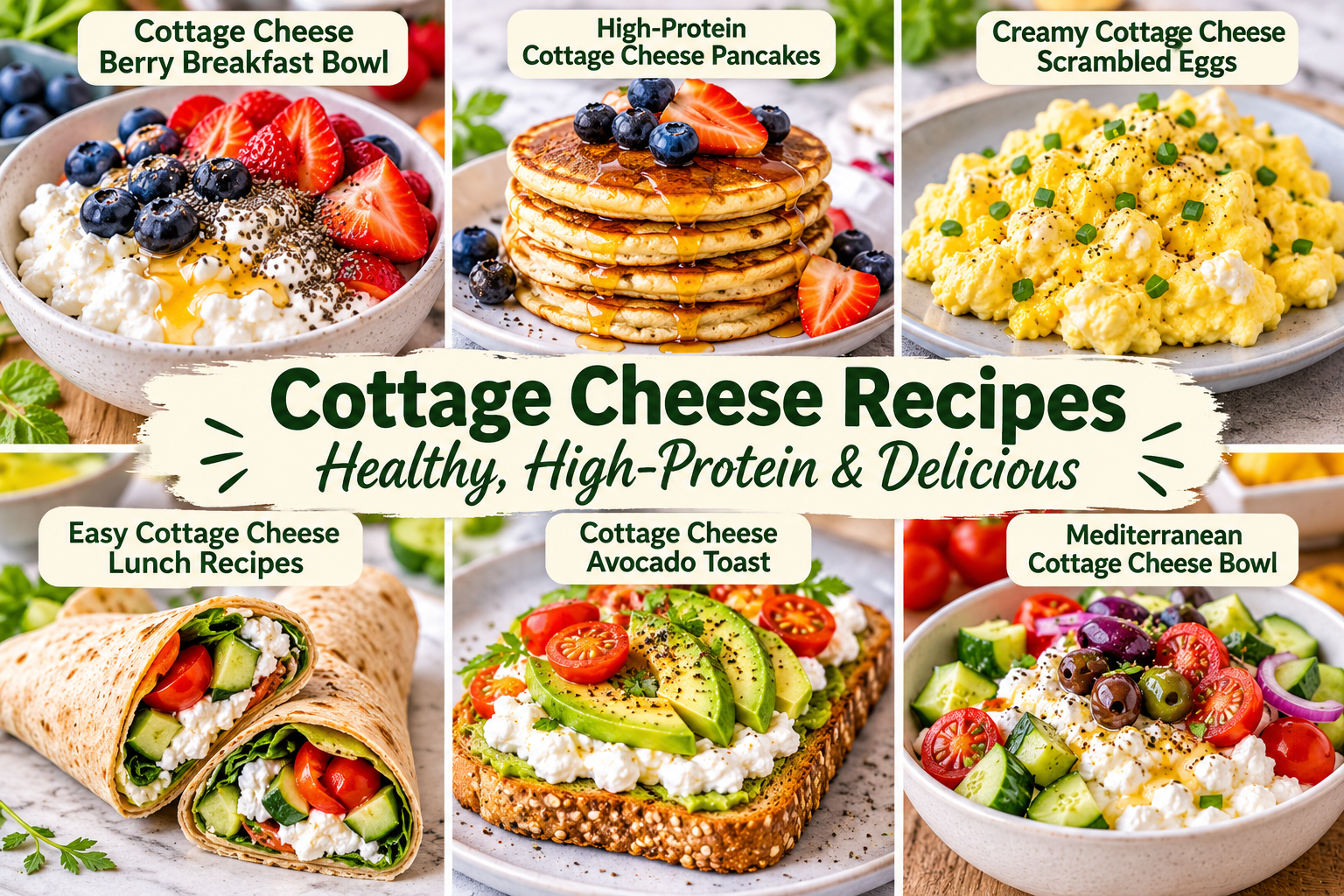
1: Cottage Cheese Berry Breakfast Bowl
A cottage cheese berry bowl is probably one of the easiest healthy recipes you can make. Start with about one cup of cottage cheese and add a generous handful of fresh or frozen berries. Blueberries, strawberries, raspberries, and blackberries all work beautifully, while sliced banana can add extra sweetness and creaminess. Finish the bowl with chia seeds, ground flaxseed, chopped walnuts, cinnamon, or a small drizzle of honey if desired.
The beauty of this breakfast is its flexibility. If you need more carbohydrates, add a small portion of rolled oats or whole-grain granola. If you prefer more healthy fats, add almonds or walnuts. If you are preparing breakfast ahead of time, assemble the cottage cheese and fruit in a container and add crunchy toppings just before eating. The result is creamy, colorful, satisfying, and ready in about 5 minutes.
2: High-Protein Cottage Cheese Pancakes
Cottage cheese pancakes are a great option when you want a familiar breakfast with a protein-focused twist. Blend cottage cheese with eggs, oats or oat flour, baking powder, cinnamon, and a little vanilla until the batter is mostly smooth. Cook small pancakes in a lightly greased nonstick pan over medium heat, flipping them once bubbles form and the edges begin to look set.
These pancakes can be served with berries, sliced banana, Greek yogurt, nut butter, or a modest amount of maple syrup. They are also useful for meal prep because you can cook a batch, refrigerate the leftovers, and reheat them during the week. Cottage cheese pancakes have been featured by major recipe publishers as a practical way to incorporate more protein into breakfast.
3: Creamy Cottage Cheese Scrambled Eggs
If ordinary scrambled eggs sometimes feel dry, cottage cheese can give them a softer, creamier texture. Whisk two or three eggs with a few spoonfuls of cottage cheese, then cook the mixture gently in a nonstick skillet. Add spinach, chopped tomatoes, mushrooms, chives, or bell peppers for extra vegetables and flavor. Keep the heat moderate because gentle cooking helps the eggs remain tender rather than becoming rubbery.
Serve the eggs with whole-grain toast and a piece of fruit for a simple balanced breakfast. This is also a useful recipe for using up a small amount of cottage cheese left in the refrigerator. Recent recipe coverage has highlighted cottage cheese as an easy addition to scrambled eggs because it contributes creaminess and additional protein.
Easy Cottage Cheese Lunch Recipes
Lunch does not need to be elaborate to be nutritious. Cottage cheese can become the protein component of a toast, bowl, salad, wrap, or sandwich while vegetables and whole grains provide volume and variety. This is particularly helpful when you work from home or need something you can assemble quickly between tasks. A well-built cottage cheese lunch can take less than 10 minutes and still feel like a proper meal rather than a snack.
Try to build lunch around three simple elements: protein, produce, and a satisfying carbohydrate or healthy fat. Cottage cheese handles the protein portion, while vegetables, fruit, whole-grain bread, beans, avocado, or seeds complete the plate. Current recipe collections show cottage cheese appearing in everything from avocado toast and salads to dips and lunch bowls.
4: Cottage Cheese Avocado Toast
For a protein-rich avocado toast, spread cottage cheese over toasted whole-grain bread and top it with mashed avocado. Add sliced tomato, cucumber, chili flakes, black pepper, lemon juice, and fresh herbs. If you want extra protein, add a boiled or poached egg. The creamy cottage cheese and avocado create a rich texture while the vegetables provide freshness and crunch.
This recipe is especially good when you need lunch in a hurry because there is virtually no cooking if you already have boiled eggs prepared. You can also turn it into a sandwich by adding another slice of whole-grain bread. For a Mediterranean-style variation, add chopped olives, oregano, tomatoes, and a squeeze of lemon.
5: Mediterranean Cottage Cheese Bowl
Build a Mediterranean cottage cheese bowl by combining cottage cheese with cucumber, tomatoes, roasted peppers, olives, chickpeas, parsley, and a small amount of feta. Add whole-grain pita or a serving of quinoa if you want a more substantial carbohydrate source. Finish with lemon juice, black pepper, and a drizzle of olive oil.
This bowl works well for meal prep because many of the ingredients can be prepared separately and assembled when you are ready to eat. Keep wet ingredients away from crunchy vegetables if you want to preserve texture. You can also swap chickpeas for grilled chicken, tuna, or beans depending on what you have available.
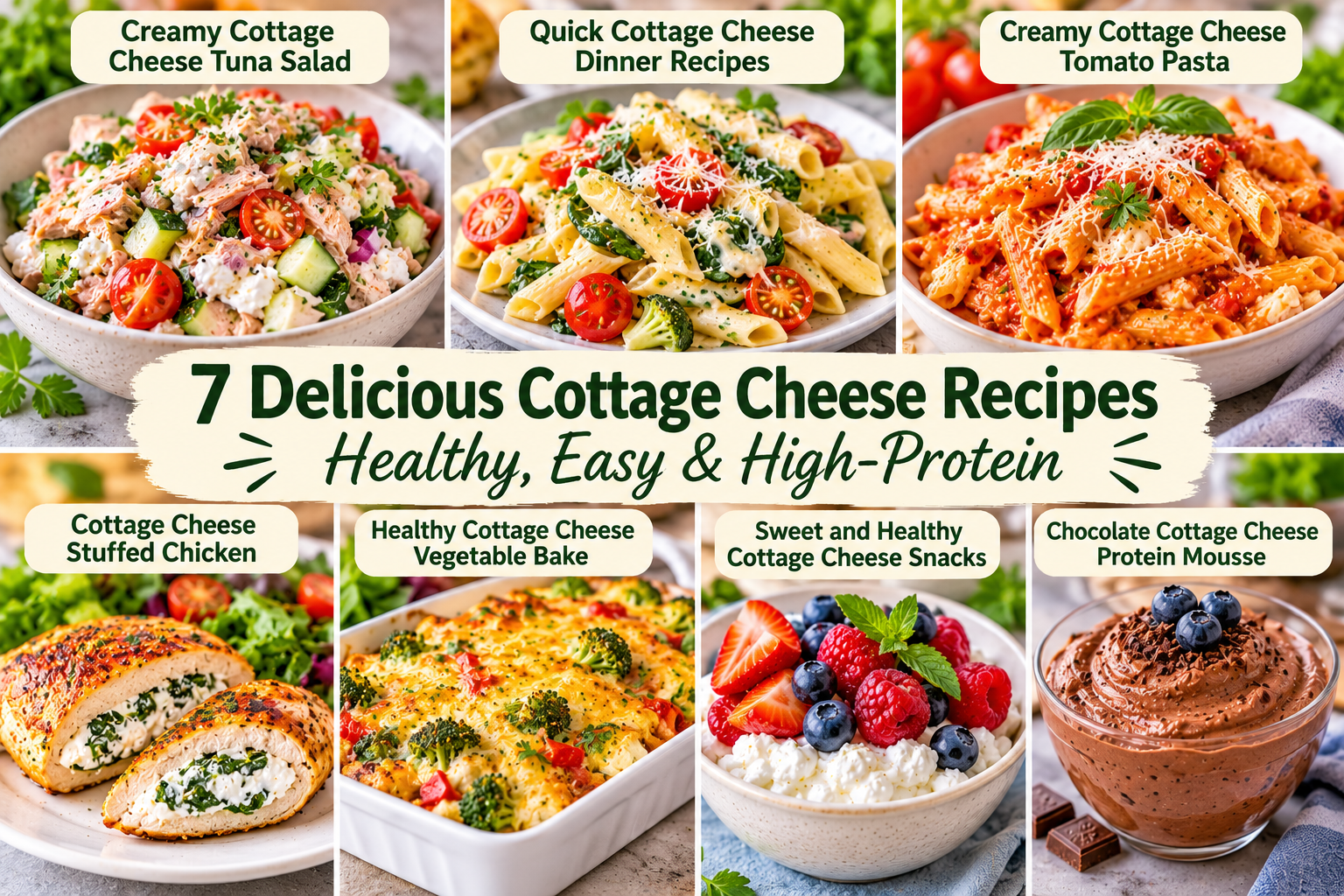
6: Creamy Cottage Cheese Tuna Salad
For a lighter tuna salad, combine drained tuna with cottage cheese, mustard, lemon juice, black pepper, celery, and chopped cucumber. The cottage cheese creates a creamy base without requiring a large amount of mayonnaise. Spoon the mixture onto whole-grain toast, serve it inside lettuce leaves, or use it as a filling for a wrap.
Add chopped herbs such as parsley or dill for extra flavor. A little diced apple can also provide sweetness and crunch, while pickles give the mixture a tangy bite. This recipe is ideal for busy lunches because it can be prepared in advance and stored in the refrigerator.
Quick Cottage Cheese Dinner Recipes
Cottage cheese is not limited to breakfast and snacks. It can become the creamy foundation of satisfying dinners, particularly when blended into sauces or incorporated into baked dishes. This approach is becoming increasingly common in modern recipe development, with current collections featuring cottage cheese in pasta sauces, meatballs, casseroles, and vegetable-based meals.
The key to keeping dinner healthy is to avoid letting the creamy ingredient become an excuse to overload the dish with cheese, butter, and refined carbohydrates. Instead, combine cottage cheese with vegetables, lean protein, whole grains, and flavorful herbs. You still get the comfort of a creamy dinner, but the meal can have a more balanced nutritional profile.
7: Creamy Cottage Cheese Tomato Pasta
For a quick creamy pasta sauce, blend cottage cheese with cooked tomatoes or tomato sauce, garlic, basil, black pepper, and a small amount of Parmesan. Blend until smooth, then gently warm the sauce before tossing it with cooked whole-wheat or high-protein pasta. Add spinach, mushrooms, zucchini, or roasted peppers to increase the vegetable content.
The result is creamy without relying entirely on heavy cream. Food Network currently features cottage cheese-based pasta dishes, including a cottage cheese rigatoni alla vodka, demonstrating how blended cottage cheese can create a smooth sauce with meaningful protein. For a weeknight meal, serve the pasta with a simple side salad and you have dinner on the table quickly.
8: Cottage Cheese Stuffed Chicken
For a protein-rich dinner, make a simple cottage cheese filling for chicken breasts. Mix cottage cheese with spinach, garlic, parsley, black pepper, and a small amount of grated Parmesan. Slice a pocket into each chicken breast, add the filling, secure it with toothpicks if necessary, and bake until the chicken reaches a safe internal temperature.
Serve the chicken with roasted vegetables and quinoa, brown rice, or potatoes. The cottage cheese filling keeps the chicken moist while adding creaminess. You can also use the same filling in stuffed peppers or zucchini boats if you prefer a vegetable-based dinner.
10: Healthy Cottage Cheese Vegetable Bake
A vegetable bake is one of the easiest ways to use cottage cheese when you have several ingredients that need to be used. Combine chopped zucchini, spinach, bell peppers, tomatoes, eggs, cottage cheese, herbs, and a small amount of shredded cheese. Pour everything into a baking dish and cook until the center is set and the edges are lightly golden.
This recipe can be adapted to whatever vegetables are available. Add mushrooms, broccoli, onions, or leftover roasted vegetables. For more protein, include cooked chicken or beans. The finished bake can be portioned into containers and reheated for lunch during the week, making it useful for meal prep as well as dinner.
Sweet and Healthy Cottage Cheese Snacks
Cottage cheese can also satisfy a sweet craving without turning every snack into a sugar-heavy dessert. When blended, it becomes smooth enough to combine with cocoa powder, peanut butter, berries, cinnamon, vanilla, or fruit. Current recipe collections include cottage cheese-based desserts such as brownies, crêpes, key lime bars, and cookie dough, showing how far beyond traditional savory uses the ingredient has moved.
11: Chocolate Cottage Cheese Protein Mousse
For a quick chocolate mousse, blend cottage cheese with unsweetened cocoa powder, banana or dates for sweetness, vanilla extract, and a small spoonful of peanut butter. Blend until completely smooth and creamy. Taste and adjust the sweetness according to your preference. Chill for 20 to 30 minutes if you want a thicker, colder dessert.
Top the mousse with fresh strawberries, raspberries, chopped nuts, or a few dark chocolate shavings. Because the base is cottage cheese, the dessert contains more protein than many traditional chocolate mousse recipes. It is a useful option when you want something sweet after dinner without needing to bake.
Tips for Cooking With Cottage Cheese
The easiest way to become comfortable with cottage cheese is to experiment with texture. If you like curds, use it directly from the container in bowls, salads, toast, or wraps. If you dislike curds, blend it until silky and use it in sauces, dips, pancakes, desserts, and fillings. This single adjustment can dramatically expand the number of recipes you enjoy.
Another useful trick is to season cottage cheese rather than assuming it needs to remain plain. Garlic, lemon, black pepper, herbs, smoked paprika, chili flakes, pesto, cinnamon, vanilla, cocoa, and fruit can completely change its personality. Cottage cheese is mild enough that it absorbs surrounding flavors, which is one reason recipe developers continue using it in such a wide range of dishes. Recent recipe coverage describes it as a versatile ingredient for both sweet and savory applications.
When cooking, avoid unnecessarily high heat. Cottage cheese can behave differently from heavy cream or processed sauces, so gentle heating is often the better approach when using it in pasta or egg dishes. For baked recipes, combine it thoroughly with the other ingredients so the moisture is distributed evenly. And remember that nutrition values can vary significantly by brand, so use the product's nutrition label when calculating calories, protein, carbohydrates, fat, and sodium for your own recipes.
Conclusion
Healthy eating does not have to mean eating the same chicken breast, salad, or bowl every day. Cottage cheese gives you an easy way to add variety while increasing protein and creating creamy textures without depending entirely on heavy cream or large amounts of cheese. From five-minute breakfast bowls and fluffy pancakes to avocado toast, Mediterranean bowls, creamy pasta, stuffed chicken, vegetable bakes, and chocolate mousse, there are countless ways to use one simple container.
The biggest advantage is convenience. You can eat cottage cheese cold, season it, blend it, bake it, or fold it into other foods. That makes it particularly useful for busy people who want quick healthy meals without spending hours in the kitchen. Current recipe trends confirm that cottage cheese has become a mainstream ingredient across breakfast, lunch, dinner, snacks, and desserts rather than simply a traditional side dish.
Start with one recipe that sounds genuinely delicious instead of trying to overhaul your entire diet overnight. If you love sweet breakfasts, begin with the berry bowl or pancakes. If you prefer savory meals, try the avocado toast, tuna salad, or creamy tomato pasta. Once you discover the textures and flavors you enjoy, cottage cheese can become one of those reliable refrigerator staples that helps you build a healthy meal whenever you are short on time.
FAQs
1. Is cottage cheese healthy for everyday meals?
Cottage cheese can be a nutritious part of an overall balanced diet. It provides protein and calcium, while the exact calorie, fat, and sodium content depends on the variety and brand. Pairing it with fruits, vegetables, whole grains, legumes, nuts, seeds, or lean proteins can create a more complete meal.
2. How can I make cottage cheese taste better?
Cottage cheese works well with both sweet and savory ingredients. For sweet recipes, try berries, banana, cinnamon, vanilla, cocoa, or a little honey. For savory dishes, try garlic, herbs, tomatoes, cucumber, avocado, black pepper, lemon juice, or chili flakes.
3. Can I blend cottage cheese?
Yes. Blending cottage cheese is one of the easiest ways to make its texture smoother. A blender or food processor can turn the curds into a creamy mixture that works well in sauces, dips, pancakes, desserts, and spreads.
4. Is cottage cheese good for high-protein meals?
Cottage cheese is commonly used in high-protein recipes because it provides a substantial amount of protein relative to its serving size. Current nutrition coverage reports approximately 13 grams of protein per half cup, although the exact amount varies by product.
5. What can I make with cottage cheese besides breakfast?
You can use cottage cheese in pasta sauces, salads, sandwiches, wraps, dips, stuffed chicken, vegetable bakes, meatballs, pancakes, and desserts. Its mild flavor and flexible texture make it useful throughout the day, not just at breakfast. Recent recipe collections demonstrate its use across nearly every meal category.
Comments
0No comments yet — be the first to share your thoughts!