Healthy Freezer Meals That Save Time: 10 Easy Ideas
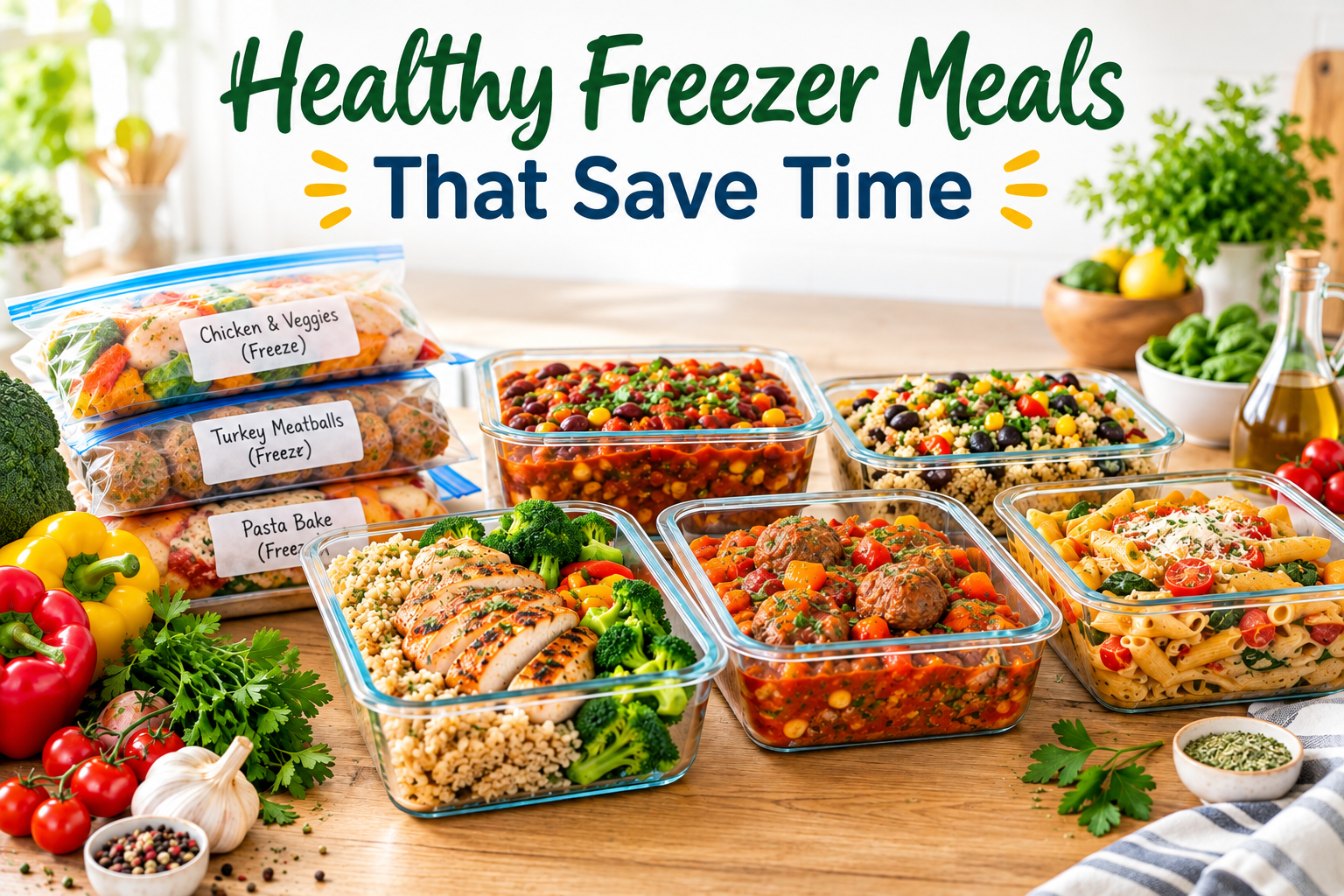
Discover 10 healthy freezer meals that save time, including easy chicken, turkey, vegetarian, breakfast, and family-friendly recipes for busy weeks.
Healthy Freezer Meals That Save Time
Life gets busy quickly. Between work, school, family responsibilities, grocery shopping, errands, and everything else on the calendar, cooking a healthy dinner from scratch every night can start to feel like another full-time job. That is where healthy freezer meals that save time can completely change your routine. Instead of staring into an empty refrigerator at 6 p.m. wondering what to cook, you can open the freezer and find a homemade meal that is already prepared and waiting for you. Freezer cooking is not simply about making food ahead; it is about creating a safety net for those evenings when your schedule goes sideways. Homemade freezer meals can also help you control ingredients, portions, vegetables, protein, and added salt better than many convenience meals. The USDA notes that frozen fruits and vegetables can be nutritious choices and that keeping frozen foods available can support healthy eating patterns, reduce waste, and save money. So, whether you are feeding a family or simply trying to make your own busy week easier, stocking your freezer with nutritious meals is a practical strategy rather than a complicated cooking trend.
Why Healthy Freezer Meals Are a Smart Time-Saving Solution
The biggest advantage of freezer meal prep is simple: you do the work once and enjoy the results multiple times. Imagine cooking on a Sunday afternoon while listening to your favorite podcast, then having several dinners ready for the rest of the week. That small investment of time can remove the chopping, measuring, cooking, and cleanup that usually happens when you are already tired. Instead of ordering takeout because you have no energy to cook, you can reheat something you prepared yourself. This is especially useful for busy professionals, parents, students, and anyone trying to eat healthier without spending hours in the kitchen every day. Freezing also gives you more flexibility because you can prepare meals when you have time rather than when hunger hits. USDA guidance says properly stored leftovers can be frozen for about three to four months for best quality, although frozen foods kept continuously at safe temperatures remain safe longer. Think of your freezer as a personal meal-prep bank: you make deposits when you have extra time and make withdrawals when your schedule becomes hectic.
How Freezer Meals Make Busy Weeknights Easier
A freezer meal works almost like a shortcut button for dinner. You can prepare several recipes at once, divide them into individual portions or family-sized containers, label everything clearly, and then choose what fits your schedule on any given night. This approach is particularly helpful when you plan meals around different needs because you can freeze individual servings for lunches and larger containers for family dinners. It also reduces decision fatigue because the hardest question—“What are we eating tonight?”—has already been answered. A freezer meal can be paired with a quick side such as steamed broccoli, a simple green salad, fruit, or whole-grain toast, allowing you to create a balanced dinner without starting from zero. Another advantage is that freezer cooking can help you use ingredients before they go bad. Extra cooked chicken, vegetables, beans, grains, and sauces can become components for several different meals instead of being forgotten in the refrigerator. USDA food-waste guidance recommends freezing food to extend its useful life and suggests freezing leftovers rather than letting them sit unused. That means your freezer can save both time and food.
The Nutrition Benefits of Homemade Freezer Meals
Healthy freezer meals give you control over what goes into your food, which is one of their biggest nutritional advantages. When you cook at home, you can build meals around lean proteins, vegetables, beans, whole grains, healthy fats, and flavorful herbs and spices. You can also adjust the amount of sodium, added sugar, cheese, sauces, and cooking fats according to your preferences. A homemade frozen dinner does not have to be bland or boring; meals such as turkey chili, vegetable curry, chicken quinoa bowls, and stuffed peppers can remain flavorful after freezing when prepared correctly. USDA's frozen-food guidance also points out that fresh and frozen versions of similar foods can have comparable nutritional value, while frozen fruits and vegetables can be convenient options for healthy meals. For busy people, that convenience matters because healthy eating becomes much easier when nutritious ingredients are already prepared. Instead of relying on willpower at the end of a stressful day, you create an environment where the healthier choice is also the easiest choice.
What Makes a Freezer Meal Actually Healthy?
A freezer meal becomes healthier when it is designed as a complete meal rather than simply a large portion of one ingredient. Start by thinking about the basic structure of your plate: a quality protein source, plenty of vegetables, a satisfying carbohydrate, and a moderate amount of healthy fat. Chicken, turkey, lean beef, eggs, lentils, chickpeas, and beans can provide protein, while vegetables such as peppers, carrots, broccoli, spinach, peas, tomatoes, and zucchini add color, fiber, vitamins, and texture. Whole grains such as brown rice, quinoa, whole-wheat pasta, and oats can provide satisfying carbohydrates, although potatoes and other nutrient-rich carbohydrate sources can work well too. The goal is not to make every freezer meal perfect; it is to make your freezer full of meals that are better balanced and easier to reach for. Frozen meals can also be adjusted to suit different dietary needs, such as vegetarian, high-protein, or family-friendly options. A useful strategy is to prepare recipes that contain several food groups at once, because these meals require less additional cooking when you eventually serve them.
Build Meals Around Protein, Vegetables, and Whole Grains
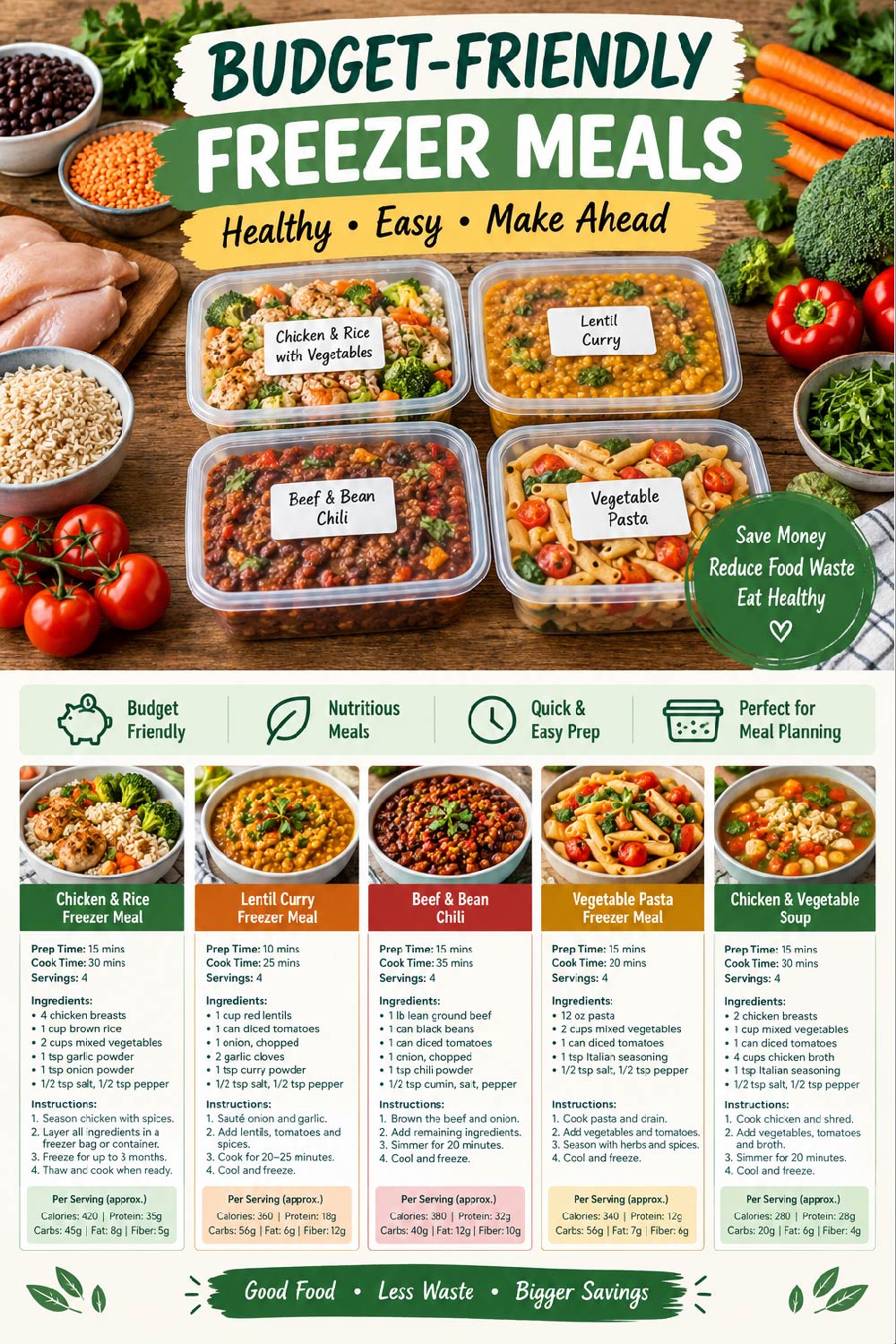
When creating a freezer meal, protein is a useful starting point because it helps make the meal satisfying and gives it structure. Add vegetables generously rather than treating them as a tiny side ingredient, then choose a carbohydrate that complements the recipe. For example, chicken can be combined with brown rice and roasted vegetables, while black beans work naturally with sweet potatoes, corn, peppers, and whole-grain tortillas. Lentils can form the foundation of a curry or stew, while turkey meatballs pair well with tomato sauce and whole-grain pasta. You do not need to calculate complicated nutritional formulas for every container, but building meals around these basic components can make your freezer more useful for everyday healthy eating. Variety matters too. If every freezer meal is chicken and rice, you may eventually become bored and reach for takeout instead. Rotate between poultry, beans, lentils, eggs, fish where appropriate, and lean meat, and vary your vegetables and sauces. This makes your freezer feel more like a menu than a storage box, and that small psychological difference can make meal prep much easier to maintain over time.
Ingredients That Freeze and Reheat Well
Some foods are naturally better freezer candidates than others. Soups, stews, chili, curries, cooked beans, meatballs, casseroles, cooked grains, and many cooked vegetable dishes generally work well because their textures are already suited to reheating. Saucy meals often perform particularly well because the sauce helps protect the food from drying out during freezing and reheating. On the other hand, foods with very high water content can become soft after freezing and thawing, which is why raw lettuce and similar salad ingredients are usually better added fresh. USDA guidance explains that freezing can damage the cell structure of high-moisture produce, resulting in softer textures after thawing. You can work around this by keeping fresh toppings separate. For example, freeze a burrito bowl with cooked vegetables and protein, then add fresh avocado, lettuce, salsa, or herbs after reheating. This simple trick gives you the convenience of freezer cooking without sacrificing every fresh texture.
10 Healthy Freezer Meals That Save Time
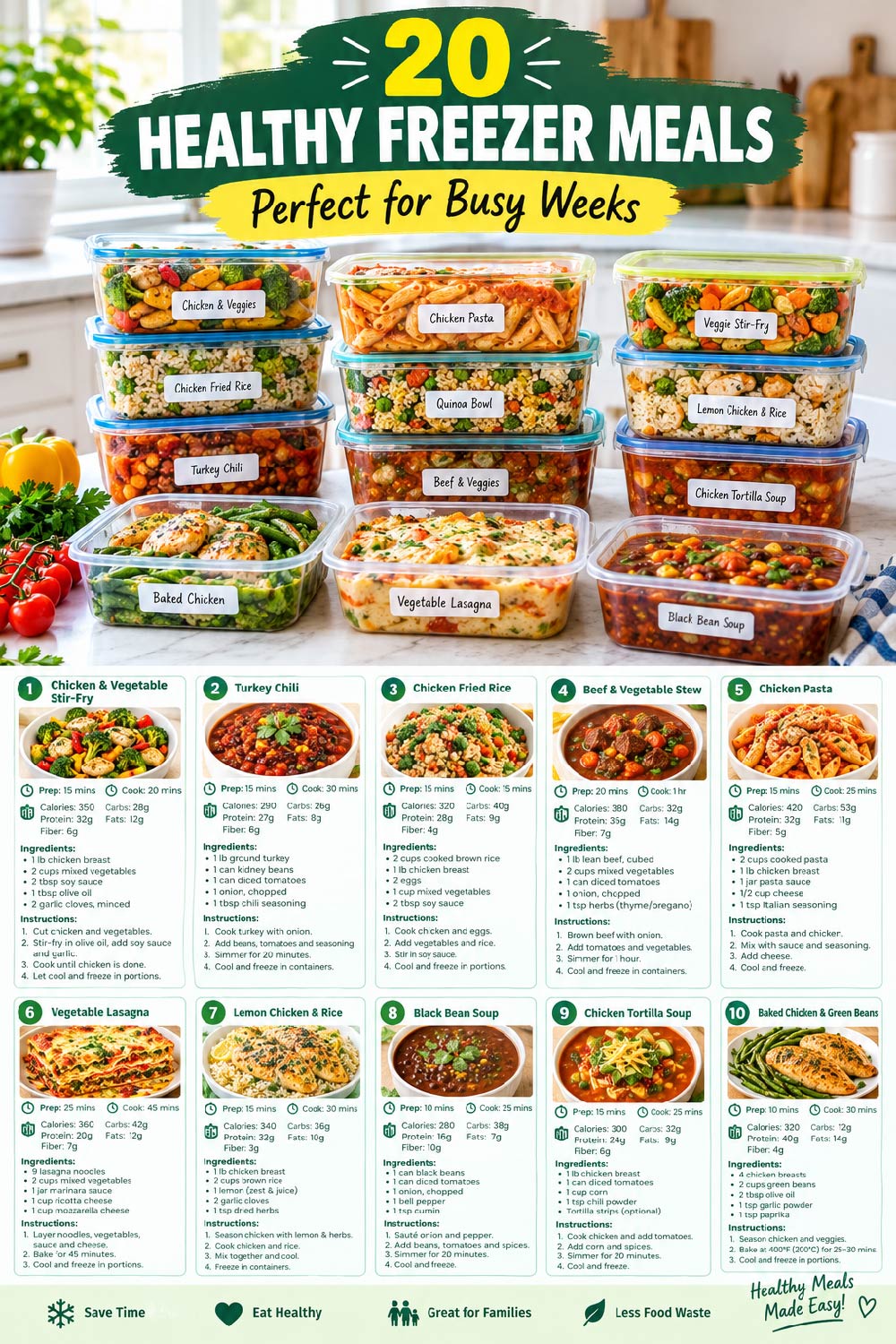
The following freezer-friendly meals are designed with busy schedules in mind. They focus on simple ingredients, balanced components, and practical reheating rather than complicated techniques. You can prepare several recipes during one meal-prep session or choose just one to test before building a larger freezer collection. Portion sizes can be adjusted depending on whether you are cooking for one person, a couple, or a family. For the best results, use containers or bags intended for freezer storage, remove excess air where practical, and label each meal with its name and date. Remember that freezing does not make food permanently immune to quality changes, so good packaging and organization still matter. The USDA recommends keeping a freezer at 0°F (-18°C) for frozen food storage. Once you develop a system, these meals can become reliable building blocks for busy breakfasts, lunches, and dinners.
Freezer Chicken and Vegetable Burrito Bowls
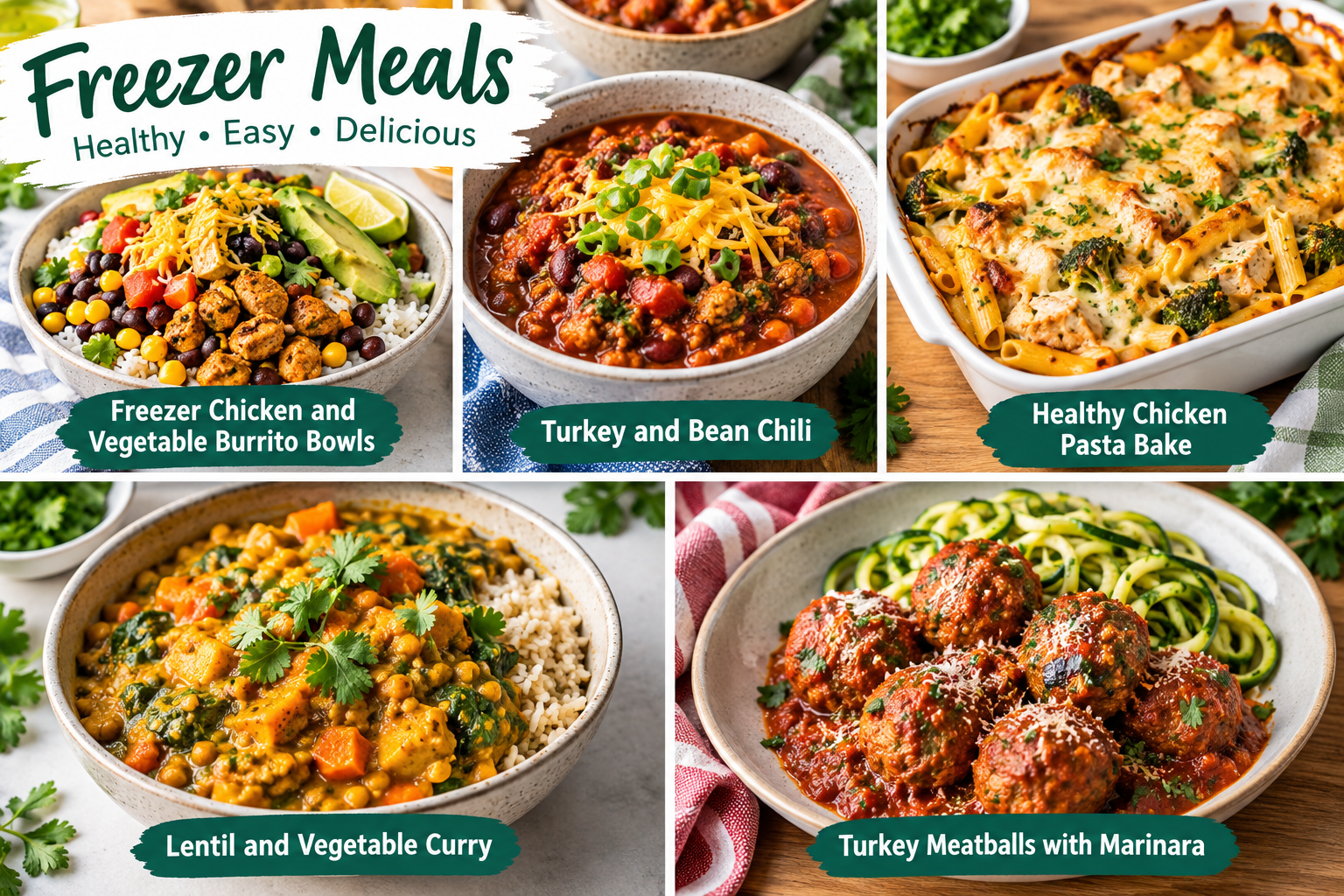
Chicken and vegetable burrito bowls are one of the easiest healthy freezer meals to customize. Cook diced chicken breast with garlic, cumin, paprika, and a little lime juice, then combine it with cooked brown rice, black beans, corn, and sautéed peppers. Divide everything into freezer-safe containers and allow the meal to cool appropriately before freezing. When you are ready to eat, thaw safely and reheat until steaming hot, then add fresh salsa, avocado, cilantro, or lime juice after reheating for a brighter finish. The combination of chicken and beans provides protein, while rice supplies carbohydrates and vegetables add color and fiber. If you want to reduce the preparation time even more, batch-cook the chicken and rice together and assemble several containers at once. This meal is also useful for portion control because you can prepare individual servings ahead of time rather than reheating an entire casserole every night. The fresh toppings are what turn the freezer bowl into something that feels newly prepared rather than simply reheated, making this an excellent choice for anyone who wants convenience without giving up freshness.
Turkey and Bean Chili
Turkey and bean chili is practically made for the freezer. Brown lean ground turkey with onion and garlic, then add kidney beans, black beans, diced tomatoes, bell peppers, and spices such as chili powder, cumin, oregano, and paprika. Simmer until the flavors come together and the mixture reaches a thick, hearty consistency. Once cooled appropriately, portion the chili into individual containers so you can pull out exactly what you need for lunch or dinner. Chili is especially useful because it can be served in several ways: alongside brown rice, over a baked potato, with whole-grain tortilla chips, or topped with a small amount of shredded cheese and fresh herbs. The beans add fiber and plant-based protein while turkey provides additional protein without requiring a complicated recipe. It is also an excellent batch-cooking option because one pot can produce multiple meals. Freeze portions clearly labeled with the date, and when you need a quick dinner, you have a satisfying option that requires little more than safe thawing and reheating.
Healthy Chicken Pasta Bake
A chicken pasta bake can be turned into a balanced freezer dinner by adding plenty of vegetables and using a sensible amount of cheese. Cook whole-wheat pasta until just tender, then mix it with cooked chicken, spinach, broccoli, zucchini, tomato sauce, garlic, and Italian herbs. Transfer the mixture to a freezer-safe baking dish or divide it into individual containers before freezing. When preparing it for future meals, avoid overcooking the pasta initially because it will continue to soften during reheating. The tomato sauce provides moisture, which helps the dish remain enjoyable after freezing. You can also change the vegetables depending on what you have available, making this a useful “clean out the fridge” meal. Instead of thinking of pasta as automatically unhealthy, consider the complete recipe: protein from chicken, vegetables for fiber and micronutrients, and carbohydrates for energy. The key is balance and portion awareness. When the dish is already prepared in your freezer, you can serve it with a quick side salad or steamed vegetables and have dinner on the table with very little effort.
Lentil and Vegetable Curry
Lentil and vegetable curry is a fantastic vegetarian freezer meal because it is inexpensive, hearty, flavorful, and naturally suited to batch cooking. Cook lentils with tomatoes, carrots, cauliflower, spinach, onions, garlic, ginger, and spices such as turmeric, cumin, coriander, and mild curry powder. A small amount of coconut milk can provide richness, although you can also use tomato-based broth if you prefer a lighter version. Once the curry has cooled safely, divide it into meal-sized portions and freeze. When reheated, serve it with brown rice, quinoa, or a small portion of whole-grain flatbread. Lentils provide plant-based protein and fiber, while the vegetables contribute texture and variety. The spices also mean you do not need to depend heavily on salty sauces to create flavor. This is exactly the kind of meal that can taste even better after sitting because the seasonings have time to blend. For busy people trying to eat more plant-based meals, keeping several portions of lentil curry in the freezer can make healthy vegetarian eating dramatically easier during demanding weeks.
Turkey Meatballs with Marinara
Turkey meatballs are another freezer-friendly option that can serve as the protein centerpiece for several different meals. Combine lean ground turkey with egg, oats or breadcrumbs, garlic, onion, parsley, Italian seasoning, and black pepper, then bake the meatballs rather than frying them. Once cooked, place them in a tomato-based marinara sauce, cool the meal safely, and portion it into containers. You can later serve the meatballs with whole-wheat pasta, spaghetti squash, roasted vegetables, or a whole-grain roll depending on what you want. Freezing the meatballs with sauce helps keep them moist and flavorful. They are also convenient because you can prepare a large batch and use the same freezer portions in different ways throughout the month. For families, this can be especially useful because meatballs are easy to pair with foods that different family members already enjoy. Rather than preparing a complete elaborate dinner every night, you only need to add a simple side and perhaps a fresh vegetable to create a balanced meal.
Chicken and Quinoa Stuffed Peppers
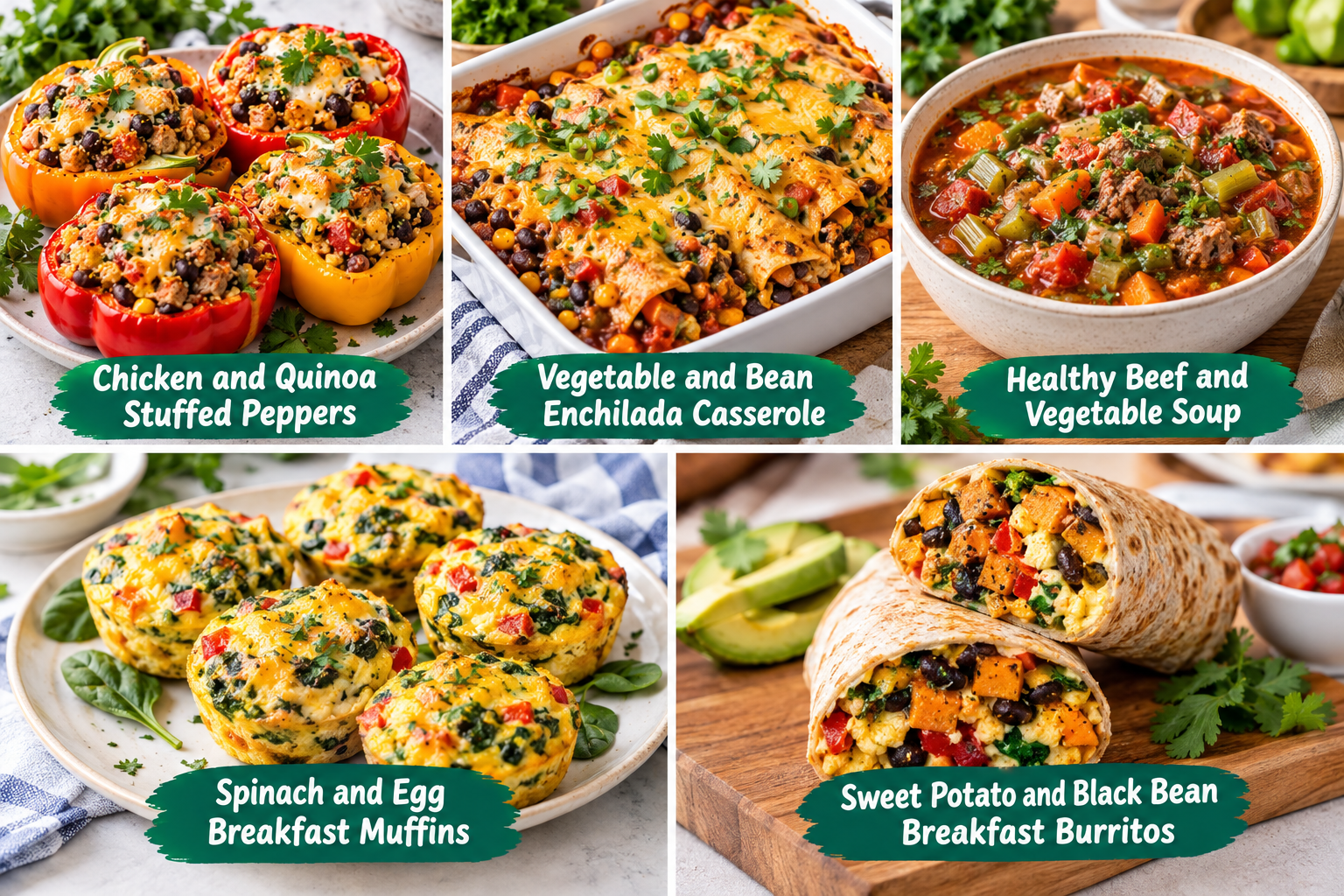
Stuffed peppers can look impressive on the dinner table while still being practical freezer food. Prepare a filling using cooked chicken, quinoa, black beans, diced tomatoes, onion, corn, spinach, and mild spices, then spoon the mixture into halved bell peppers. You can add a moderate amount of shredded cheese on top if desired, but the filling itself should provide most of the substance. Bake until the peppers are tender, then cool and freeze individual portions. When reheated, the peppers become a complete meal with protein, vegetables, fiber, and carbohydrates in one convenient package. Quinoa and chicken make the filling satisfying, while colorful peppers add a vegetable component without requiring an extra side dish. This is a good recipe for meal-prep beginners because it is easy to portion and visually distinctive, which helps prevent freezer meals from becoming a boring collection of identical containers. You can also make several variations by changing the seasoning profile, such as using Italian herbs and tomato sauce for one batch or cumin and chili powder for another.
Vegetable and Bean Enchilada Casserole
A vegetable and bean enchilada casserole gives you the comfort-food feeling of a baked Mexican-inspired dish while keeping the ingredients practical. Layer whole-grain tortillas with black beans, corn, zucchini, bell peppers, spinach, tomato-based enchilada sauce, and a moderate amount of cheese. Bake until everything is hot and the top is lightly browned, then allow it to cool before dividing it into freezer-safe portions. The beans provide protein and fiber, while the vegetables help make the meal more nutrient-dense. You can serve each portion with fresh tomato, avocado, cilantro, or a spoonful of plain Greek yogurt after reheating. The casserole format also makes it easy to prepare several servings at once, which is exactly what you want from freezer cooking. If you are cooking for a family, prepare the recipe in a larger dish; if you live alone, divide it into individual portions before freezing. That way, you do not have to thaw more food than you plan to eat.
Healthy Beef and Vegetable Soup
A hearty beef and vegetable soup is an excellent choice when you want a freezer meal that feels comforting without becoming excessively heavy. Use lean beef, carrots, celery, onions, tomatoes, green beans, peas, and potatoes or another suitable carbohydrate, then simmer everything in a flavorful broth with herbs. The slow cooking process allows the vegetables and beef to become tender while the broth carries the flavors throughout the dish. Once the soup is prepared and handled safely, freeze it in individual portions, leaving appropriate space for expansion in containers. On a busy evening, you can thaw and reheat a serving and pair it with whole-grain toast or a simple salad. Soups are especially useful during colder months, but they can be kept in your freezer year-round for emergency dinners. They also offer an easy way to use vegetables that need cooking before they are wasted. Because the recipe contains protein, vegetables, and a filling carbohydrate, it can stand on its own as a simple meal rather than requiring multiple side dishes.
Spinach and Egg Breakfast Muffins
Freezer meal prep does not have to stop at dinner. Spinach and egg breakfast muffins can help you avoid skipping breakfast or grabbing an expensive pastry on a rushed morning. Whisk eggs with chopped spinach, bell peppers, onions, and a modest amount of shredded cheese, then bake the mixture in a muffin tin until fully cooked. Once cooled, portion the egg muffins into freezer-safe containers or bags. In the morning, reheat the amount you need and pair the muffins with fruit, whole-grain toast, or another simple breakfast item. Eggs provide protein, while vegetables add flavor and nutrients without requiring much preparation. These muffins are particularly convenient because they are already portioned, meaning you do not need to measure anything when you are half-awake and rushing out the door. Preparing a large batch can give you several grab-and-go breakfasts from one cooking session. Just make sure they are stored and reheated safely, and follow appropriate food-safety practices for cooked egg dishes.
Sweet Potato and Black Bean Breakfast Burritos
Sweet potato and black bean breakfast burritos are a filling vegetarian freezer option that can make busy mornings much easier. Roast diced sweet potatoes with cumin and paprika, then combine them with black beans, scrambled eggs, spinach, and a little shredded cheese. Spoon the filling into whole-grain tortillas, roll them tightly, and package them individually for freezer storage. When you need breakfast, thaw and reheat according to safe food-handling practices, then add salsa or fresh avocado after heating if desired. Sweet potatoes provide satisfying carbohydrates, while beans and eggs contribute protein and fiber. These burritos can also be customized with different vegetables, herbs, or spices so that one batch does not have to taste exactly like the next. Their biggest advantage is portability: you can have a balanced breakfast ready to take with you instead of relying on fast food during a rushed morning. For busy families, individual burritos can also be labeled so everyone can grab one when needed.
How to Prepare Healthy Freezer Meals Efficiently
The smartest way to freezer meal prep is to think in batches rather than individual recipes. Choose two or three recipes that use overlapping ingredients, create a grocery list, and prepare the components at the same time. For example, one large batch of cooked chicken can become burrito bowls, stuffed peppers, and pasta bake, while a large pot of beans can contribute to chili, enchiladas, and breakfast burritos. This approach reduces repeated chopping and washing because you complete similar tasks together. Before freezing, make sure cooked food is handled appropriately and divided into practical portions. Shallow containers can help food cool more efficiently, and USDA guidance recommends storing leftovers in small portions and either using them within three to four days in the refrigerator or freezing them promptly. Your freezer should also be organized so that older meals are easy to find. Keep newer meals toward the back and bring older meals forward, creating a simple first-in, first-out system. Once you get used to this process, a two-hour meal-prep session can provide a surprisingly large amount of future convenience.
Cool, Portion, Label, and Freeze Properly
Packaging matters almost as much as the recipe itself. Divide meals into portions that match how you expect to eat them, whether that means one-serving containers for lunches or family-sized dishes for dinner. Use freezer-safe containers or bags and remove excess air where appropriate to help protect quality. Label each package with the meal name and freezing date, because a mystery container six weeks later is far less useful than one clearly marked “Turkey Chili — July 29.” Keep your freezer at approximately 0°F (-18°C) for frozen food storage, as recommended by USDA guidance. Freezing does not kill every microorganism; it mainly inactivates them, meaning proper food handling remains important before and after freezing. Never assume that freezing can rescue food that has already been mishandled. Treat freezer cooking as an extension of normal food safety, not a substitute for it. Good packaging also protects texture and flavor by limiting air exposure and freezer burn.
How Long Do Healthy Freezer Meals Last?
For practical home meal prep, three to four months is a useful quality target for many cooked freezer meals, although the exact timeframe depends on the food and how it is packaged. USDA guidance states that leftovers can be frozen for three to four months for best quality; foods kept continuously frozen at the proper temperature can remain safe longer, but taste and texture may decline. That distinction is important because “safe” and “best quality” are not always the same thing. A casserole might technically remain safe while developing dry edges or freezer burn that makes it less appealing. Labeling meals with dates makes it much easier to use the older portions first. You can also maintain a simple freezer inventory on your phone or a piece of paper attached to the freezer door. If you regularly prepare meals in batches, this small habit prevents food from disappearing beneath newer containers. For ingredients such as cooked chicken, USDA provides specific best-quality freezing guidance, with cooked chicken generally tasting best within about four months.
Best Ways to Thaw and Reheat Freezer Meals
Thawing deserves just as much attention as cooking because improper thawing can create food-safety problems. For many prepared meals, the refrigerator is a reliable method because it keeps the food cold while it gradually thaws. You can move tomorrow night's meal from the freezer to the refrigerator the evening before, allowing it to thaw overnight. Some foods can be reheated from frozen, but always follow the recipe or container instructions and use appropriate food-safety practices. USDA guidance emphasizes that freezing does not kill microorganisms; once food thaws, microorganisms can become active again under suitable conditions. When reheating cooked foods, heat them thoroughly rather than simply warming the outside. If you are using a microwave, stir food where appropriate and allow for standing time so heat can distribute. A food thermometer is particularly helpful when reheating meat, poultry, or mixed dishes. And remember: a slow cooker is not generally the place to thaw frozen meat or poultry because frozen food can take too long to reach safe temperatures.
Common Freezer Meal Mistakes to Avoid
The most common freezer meal mistake is making too much food without a realistic plan for how it will be eaten. A freezer packed with ten identical containers might look productive, but if you dislike the recipe after the second serving, you have created a different kind of problem. Variety is one of the best ways to make freezer meal prep sustainable. Another mistake is using ingredients that become unpleasant after freezing, such as delicate raw salad greens or vegetables with extremely high moisture content. Excess air inside packaging can also contribute to freezer burn, which affects quality and flavor. USDA guidance explains that moisture- and vapor-proof packaging helps reduce freezer burn and protect frozen food quality. Failing to label meals is another small mistake that becomes surprisingly frustrating later. You should know what the food is, when it was prepared, and ideally how it should be reheated. Finally, do not treat frozen food as automatically safe regardless of how it was handled before freezing. Good freezer cooking combines smart meal planning with normal food-safety habits.
Easy Freezer Meal Planning for Busy Weeks
A simple freezer meal schedule can make your entire week feel more organized. Start by selecting two dinners, one breakfast option, and one lunch option that freeze well. Prepare them during one planned session, then divide everything into portions that fit your household. During the week, choose freezer meals according to your schedule rather than following a rigid menu. If Tuesday is your busiest evening, plan a meal that requires almost no work; if Wednesday is quieter, you can prepare something fresh alongside a freezer meal. You can also keep a small collection of freezer “building blocks,” such as cooked chicken, turkey meatballs, brown rice, quinoa, beans, soup, and roasted vegetables. These components can be combined with fresh toppings and sides to create different meals without starting from scratch. This strategy is particularly useful for busy people because it creates flexibility rather than another complicated routine to maintain. The goal of meal prep is not to spend your entire weekend cooking. The goal is to make future meals easier.
Conclusion: Make Your Freezer Work for You
Healthy freezer meals that save time can turn a chaotic weeknight into a simple dinner routine. From turkey chili and chicken burrito bowls to lentil curry, stuffed peppers, breakfast muffins, and sweet potato burritos, there are plenty of options that combine convenience with balanced ingredients. The trick is to prepare meals you genuinely enjoy, portion them sensibly, package them carefully, and label everything before it disappears into the freezer. You do not need to spend an entire day cooking or fill your freezer with dozens of meals overnight. Start with two or three recipes and see which ones fit your routine best. Once you discover your favorites, repeat them and gradually build a personal collection of reliable freezer meals. With a little planning, your freezer becomes more than a place for ice and forgotten leftovers—it becomes a tool that helps you save time, money, food, and energy while making healthy eating easier.
FAQs About Healthy Freezer Meals
1. What are the best healthy meals to freeze?
Some of the easiest healthy meals to freeze include chili, soups, curries, casseroles, burrito bowls, stuffed peppers, turkey meatballs, and breakfast burritos. Meals with sauces and moisture often reheat better than foods that are naturally dry. For the best results, include a balance of protein, vegetables, and satisfying carbohydrates, then add fresh toppings after reheating when possible.
2. How long can homemade freezer meals stay frozen?
For many cooked leftovers, USDA guidance recommends about three to four months for best quality when frozen properly. Food can remain safe longer when continuously frozen at the proper temperature, but flavor and texture can deteriorate over time. Labeling meals with the date makes it much easier to use older portions first.
3. Can I freeze healthy meals in individual portions?
Yes. Individual portions are often one of the most convenient ways to prepare freezer meals, particularly for lunches and busy weeknight dinners. They allow you to thaw and reheat only what you need instead of repeatedly thawing a large container. Use freezer-safe packaging and clearly label each portion with the meal name and date.
4. Is it better to thaw freezer meals before reheating?
It depends on the specific meal and its preparation instructions. Many meals can be thawed safely in the refrigerator before reheating, while some can be reheated directly from frozen. Avoid unsafe room-temperature thawing, and follow appropriate food-safety practices. USDA guidance recommends refrigerator thawing for many frozen foods and emphasizes careful handling after food thaws.
5. How can I prevent freezer meals from tasting bland?
Build flavor before freezing with herbs, spices, garlic, onions, citrus, tomato-based sauces, and flavorful seasonings. Avoid relying only on heavy amounts of salt or rich sauces. After reheating, fresh toppings such as herbs, lemon or lime juice, salsa, avocado, yogurt, or crunchy vegetables can make a freezer meal taste much fresher.
Comments
0No comments yet — be the first to share your thoughts!