Grab-and-Go Healthy Breakfasts for Busy Mornings
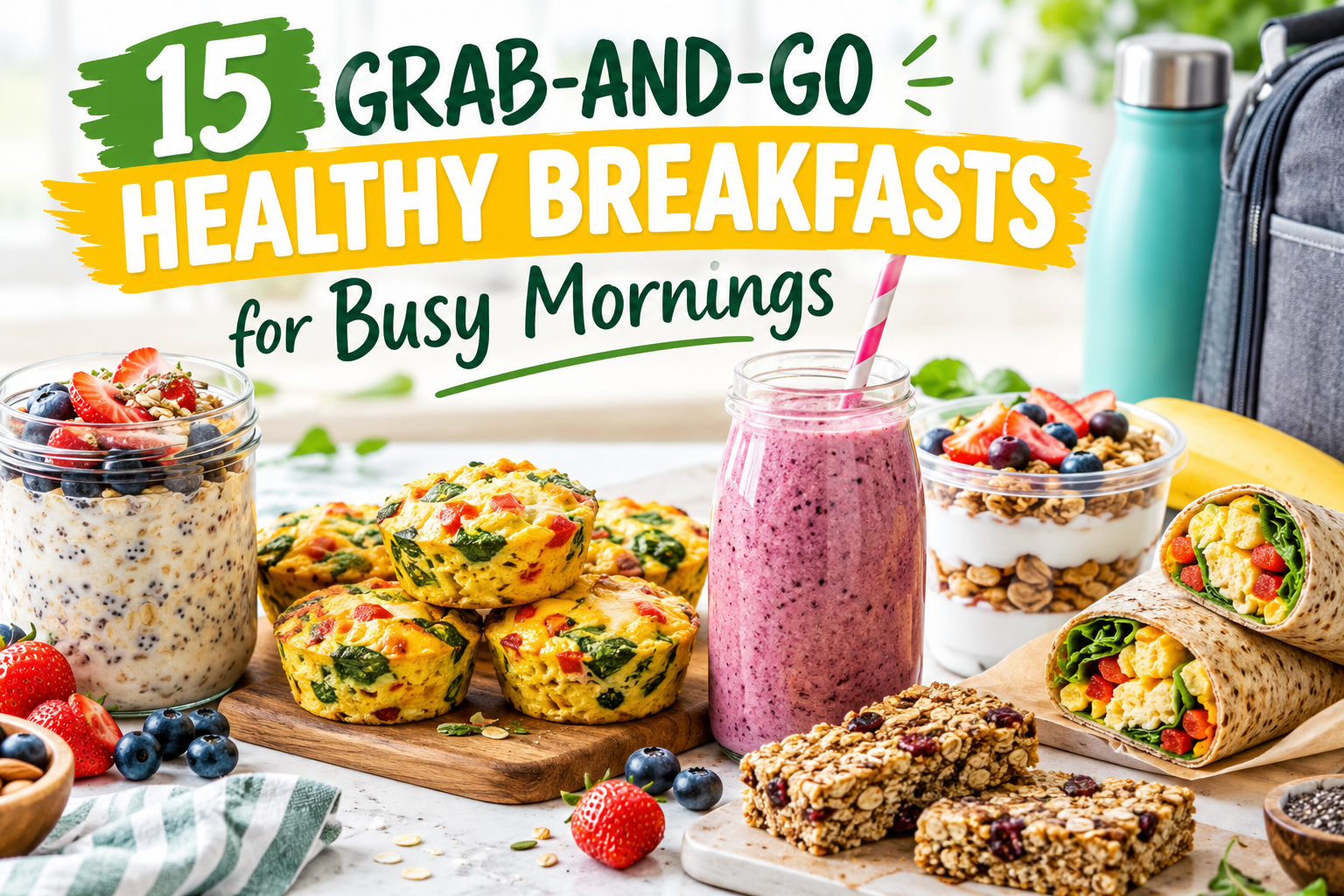
Discover easy grab-and-go healthy breakfasts for busy mornings, including overnight oats, egg muffins, smoothies, breakfast wraps, and more.
Grab-and-Go Healthy Breakfasts for Busy Mornings
Busy mornings have a funny way of turning breakfast into an afterthought. The alarm rings, messages start arriving, the kids need help, traffic is waiting, and suddenly you are standing in the kitchen wondering whether coffee counts as a meal. That is exactly why grab-and-go healthy breakfasts can make such a difference. Instead of relying on pastries, sugary cereal, or skipping breakfast altogether, you can prepare simple meals that are portable, filling, and easy to eat on the way to work, school, or wherever your morning takes you. The goal is not to create complicated recipes that require an hour in the kitchen. It is to build a small collection of reliable breakfast options that fit naturally into a busy schedule.
A good breakfast does not have to be enormous to be useful. Think of it like putting fuel in your car before a long drive: you want something dependable that helps you get moving without making the process complicated. For a balanced approach, focus on combinations of whole grains, fruits, vegetables, healthy protein, and healthy fats. Harvard's Healthy Eating Plate recommends emphasizing vegetables and fruits, choosing whole grains, and including healthy protein sources such as beans, nuts, poultry, and fish. With a little preparation, you can turn that basic idea into portable breakfast wraps, overnight oats, yogurt jars, smoothies, egg muffins, chia puddings, and more.
Why Grab-and-Go Breakfasts Work So Well
The biggest advantage of a grab-and-go breakfast is convenience. When food is already portioned and ready in your refrigerator or freezer, you remove several decisions from your morning. You do not have to decide what to cook, search through cabinets for ingredients, or clean a pile of dishes before leaving the house. That matters because healthy eating is often less about knowing what is healthy and more about making healthy choices easy enough to repeat. If the nutritious option is sitting at eye level while the less nutritious option requires no preparation at all, convenience can easily win.
A portable breakfast can also help you build a more consistent routine. You might prepare two or three different options on Sunday and rotate them during the week, so breakfast never feels repetitive. For example, you could keep overnight oats for Monday and Wednesday, egg muffins for Tuesday and Thursday, and a freezer-friendly breakfast burrito for Friday. The trick is to think beyond a single recipe and create a breakfast system. When your mornings become unpredictable, your food does not have to be. A few dependable recipes can act like a safety net for those days when everything else goes sideways.
What Makes a Healthy Breakfast Balanced?
A healthy grab-and-go breakfast should ideally contain more than one type of nutrient. Pairing carbohydrates with protein, fiber, and healthy fats can make a simple meal more satisfying than eating a highly refined carbohydrate by itself. Whole grains, fruits, vegetables, nuts, seeds, yogurt, eggs, beans, and other minimally processed ingredients give you plenty of ways to build variety. Harvard's nutrition guidance emphasizes food quality, including vegetables, fruits, whole grains, healthy proteins, and healthy fats, rather than simply focusing on a single nutrient.
Fiber deserves special attention because it can be surprisingly easy to overlook when breakfast is rushed. The FDA's current Nutrition Facts reference lists 28 grams of dietary fiber per day as the Daily Value on a 2,000-calorie diet. You do not need to hit your entire daily fiber target at breakfast, of course, but choosing oats, berries, apples, chia seeds, flaxseed, whole-grain bread, beans, or vegetables can help you build a more nutrient-dense meal. Protein can come from Greek yogurt, eggs, cottage cheese, milk, tofu, nuts, seeds, or nut butter. Put those ingredients together and you have a breakfast that feels less like a quick fix and more like a real meal.
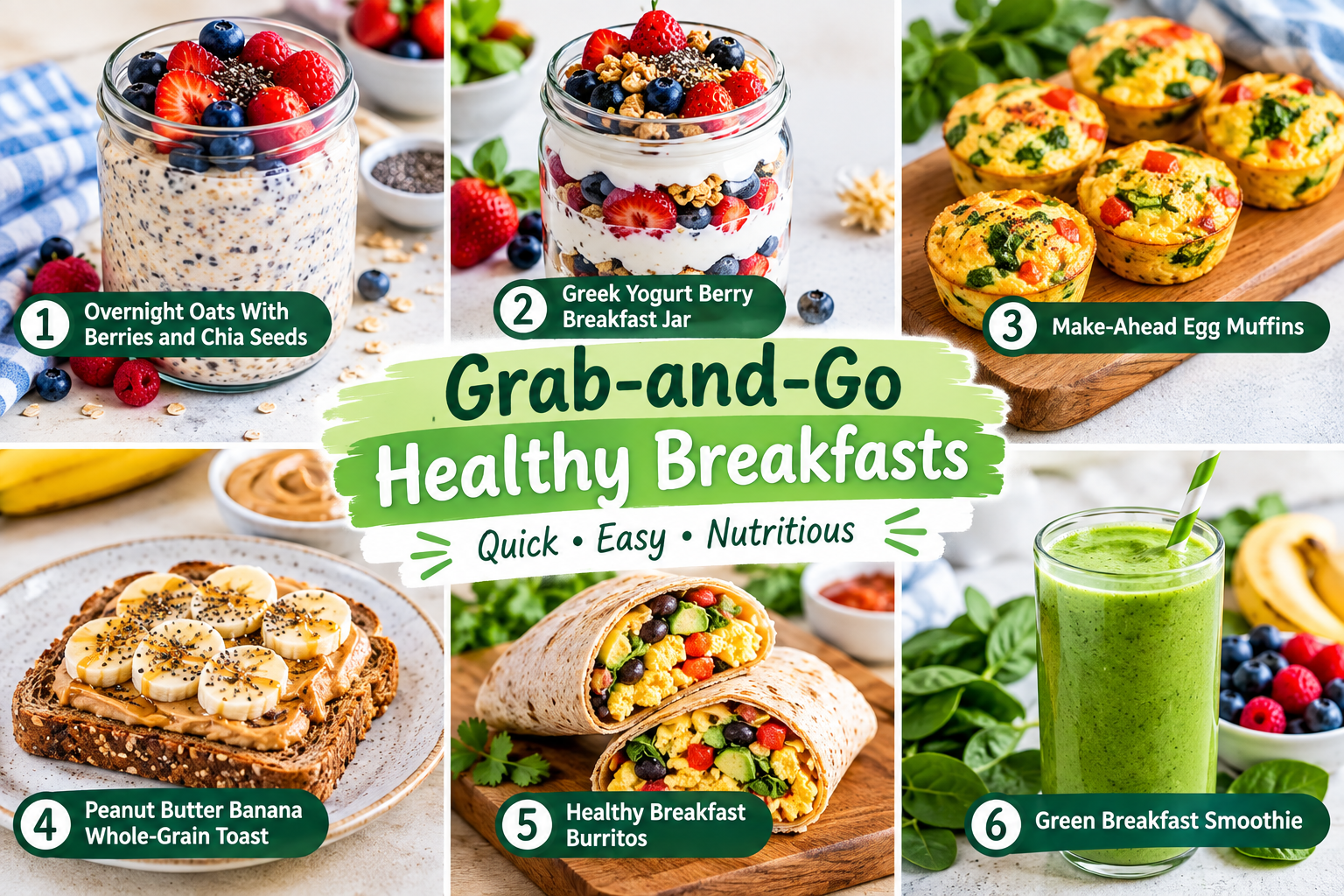
1. Overnight Oats With Berries and Chia Seeds
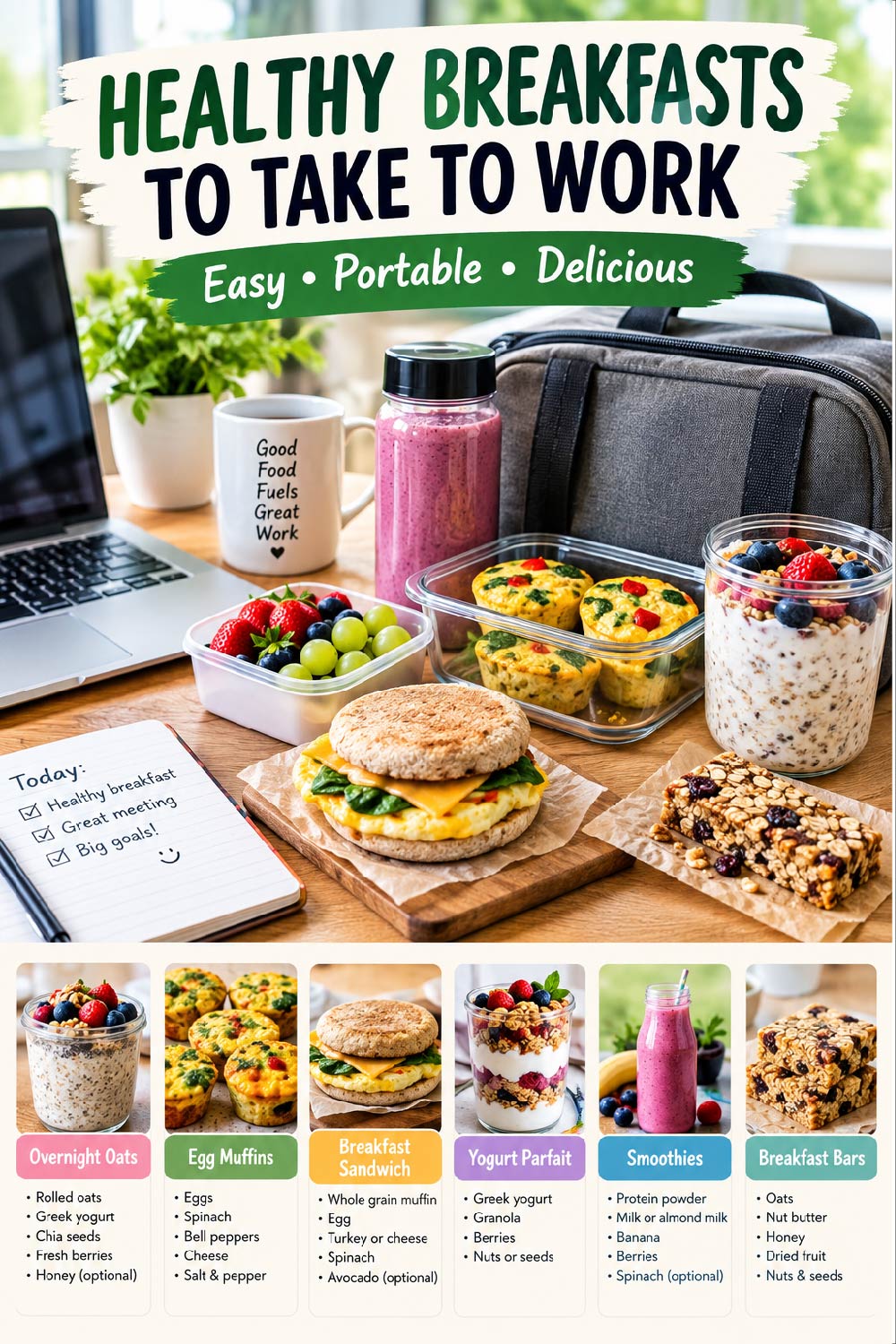
Overnight oats are practically designed for busy mornings because the refrigerator does most of the work. Combine rolled oats with milk or an unsweetened dairy-free alternative, Greek yogurt, chia seeds, and berries in a jar the night before. Add cinnamon for warmth, and use a small amount of honey or maple syrup if you want additional sweetness. By morning, the oats have softened and absorbed the liquid, giving you a creamy breakfast that can be eaten cold straight from the refrigerator.
The combination is easy to customize without making the recipe complicated. Blueberries, strawberries, raspberries, sliced banana, diced apple, and blackberries can all work well. You can also add chopped walnuts, almonds, pumpkin seeds, or a spoonful of natural peanut butter for additional flavor and texture. The oats and fruit contribute carbohydrates and fiber, while yogurt and seeds add protein and fats. Chia seeds are especially convenient because you do not have to cook them, making them ideal for meal prep. Prepare several jars at once, keep them refrigerated, and grab one before heading out the door.
2. Greek Yogurt Berry Breakfast Jar
A Greek yogurt breakfast jar is another excellent option when you want something refreshing and protein-rich without turning on the stove. Start with plain or lightly sweetened Greek yogurt, then layer it with berries, oats or low-sugar granola, and a small amount of chopped nuts or seeds. You can prepare the jars in advance and keep them chilled until breakfast. If you prefer a sweeter flavor, cinnamon, vanilla, mashed banana, or a few chopped dates can provide natural sweetness.
The beauty of this breakfast is its flexibility. You can create a different flavor combination every few days so you do not feel like you are eating the same meal repeatedly. Try strawberries with almonds, blueberries with walnuts, or banana with peanut butter. Fresh fruit is particularly useful because it adds color, flavor, and nutrients without requiring complicated preparation. Harvard recommends eating a variety of fruits and vegetables because different plant foods provide different nutrients and beneficial plant compounds. For a portable breakfast, simply place the ingredients in a sealed container, add a spoon, and you have a breakfast that can travel with you.
3. Make-Ahead Egg Muffins
Egg muffins are one of those recipes that look small but can be surprisingly satisfying. Whisk eggs with chopped spinach, bell peppers, tomatoes, mushrooms, and a modest amount of cheese, then bake the mixture in a muffin tin until the eggs are set. Once cooled, store the muffins in the refrigerator in an airtight container. On a busy morning, you can grab two or three, add a piece of fruit, and leave the house.
Vegetables make egg muffins particularly useful because they allow you to add produce to breakfast without preparing a separate side dish. You can use whatever vegetables you already have available, which makes the recipe practical for reducing food waste. Try spinach and feta for a Mediterranean-style combination, or use broccoli and cheddar for a classic flavor. You can also add cooked chicken or turkey if you want a heartier version. If you are meal prepping, bake a batch at the beginning of the week and portion them into individual containers. They are easy to reheat, but they can also be eaten cold if necessary, making them a genuine grab-and-go breakfast for busy mornings.
4. Peanut Butter Banana Whole-Grain Toast
Some mornings call for something almost ridiculously simple, and that is where peanut butter banana toast shines. Spread natural peanut butter over whole-grain toast, top it with banana slices, and add a sprinkle of chia or ground flaxseed. You can prepare the components quickly before leaving home or pack the toast carefully in a container for later. If you prefer a slightly sweeter breakfast, add cinnamon rather than relying heavily on sugar.
Whole-grain bread provides a more nutrient-dense base than many refined-grain breakfast breads. Harvard's nutrition guidance recommends choosing whole grains such as whole-wheat bread, oats, brown rice, and other intact or minimally processed grains over refined grains. Peanut butter contributes protein and healthy fats, while banana adds natural sweetness and carbohydrates. For a portable version, choose sturdy bread and avoid adding too much peanut butter, which can make the toast messy. Wrap it tightly, pack a napkin, and you have a breakfast that takes only a few minutes to assemble.
5. Healthy Breakfast Burritos
Breakfast burritos are perfect for people who want a substantial breakfast but do not have time to cook every morning. Fill a whole-grain tortilla with scrambled eggs, black beans, sautéed peppers, spinach, and a small amount of cheese. You can make several burritos in one preparation session, wrap them individually, and refrigerate or freeze them for later. When breakfast arrives, reheat one and take it with you.
Beans are an especially useful addition because they contribute plant-based protein and fiber while also making the burrito more filling. Harvard's protein guidance encourages people to include plant sources such as legumes, nuts, seeds, and whole grains as part of a varied diet. You can change the filling based on your preferences: try black beans and salsa for a Tex-Mex flavor, spinach and feta for a Mediterranean twist, or mushrooms and peppers for a vegetable-forward version. The key is to avoid overfilling the tortilla, because a portable breakfast should be easy to handle. Wrap each burrito tightly and store it as an individual serving.
6. Green Breakfast Smoothie
When chewing breakfast feels like too much work, a smoothie can be a practical solution. Blend spinach, banana, berries, Greek yogurt, milk, and chia seeds until smooth. For a thicker smoothie, add a little less liquid; for a thinner drink, add more. Pour it into an insulated travel cup and take it with you.
Smoothies can also be a smart way to combine several food groups in one container. Spinach and berries contribute fruits and vegetables, banana adds carbohydrates, yogurt provides protein, and chia seeds add fiber and fats. Harvard recommends emphasizing fruits and vegetables while choosing healthy protein and whole grains as part of an overall healthy eating pattern. The main mistake is turning a smoothie into a liquid dessert by adding large quantities of sweetened yogurt, syrup, juice, or sugary toppings. Start with whole fruit for sweetness and adjust from there. If you prepare smoothie packs, portion your frozen fruit and spinach ahead of time so you only need to add liquid and blend in the morning.
7. Apple Cinnamon Chia Pudding
Chia pudding is a fantastic make-ahead breakfast because it requires no cooking. Mix chia seeds with milk, cinnamon, vanilla, and diced apple, then refrigerate the mixture overnight. The seeds absorb the liquid and create a thick pudding-like texture. In the morning, add walnuts or a few extra apple pieces before taking the container with you.
This breakfast has a particularly appealing combination of textures: creamy pudding, crisp apple, and crunchy nuts. You can also experiment with other fruit combinations, such as berries and vanilla or mango and coconut. Chia seeds make the recipe convenient because they can be incorporated into breakfast without heating or extensive preparation. If you are preparing multiple servings, use small jars with tight-fitting lids and label them with the preparation date. That makes your refrigerator easier to organize and reduces the chance of forgetting when something was made. A portable breakfast should make your routine simpler, not create another complicated task.
8. Cottage Cheese With Fruit and Nuts
Cottage cheese is an underrated breakfast ingredient that works particularly well when you need something fast. Spoon cottage cheese into a container and top it with sliced peaches, berries, pineapple, or apple. Add walnuts, almonds, pumpkin seeds, or sunflower seeds for crunch. If you like savory breakfasts, skip the fruit and add cucumber, cherry tomatoes, black pepper, and herbs instead.
This is a useful reminder that a healthy breakfast does not have to mean traditional breakfast food. You do not need pancakes, cereal, or toast simply because it is morning. A combination of protein-rich dairy, fruit, and nuts can be just as practical. You can also pack the toppings separately if you prefer to keep the fruit and nuts crunchy. For busy workers, students, and commuters, that small detail can make the difference between a breakfast you enjoy and one you avoid. Keep individual containers ready in the refrigerator and breakfast becomes a simple grab-and-go decision rather than a morning project.
9. Whole-Grain Breakfast Sandwich
A homemade breakfast sandwich can be much easier to prepare than people expect. Use a whole-grain English muffin, whole-grain bread, or a small whole-grain roll as the base. Add an egg, spinach, tomato, avocado, or a small amount of cheese, then wrap it for travel. You can prepare several sandwiches ahead of time and refrigerate or freeze them depending on the ingredients.
The most important thing is to build the sandwich around quality ingredients rather than making it a vehicle for processed meats and oversized portions of cheese. Harvard's Healthy Eating Plate specifically encourages healthy protein choices such as fish, poultry, beans, and nuts while recommending limits on processed meats. For a vegetarian version, egg, avocado, spinach, and tomato work beautifully together. For a meat-based option, try cooked chicken or turkey with egg and vegetables. Keep the sandwich compact enough to eat without creating a breakfast disaster in the car or at your desk.
10. Apple and Almond Butter Snack Box
A breakfast snack box is ideal for mornings when you do not want one large meal. Pack apple slices, almond butter, a boiled egg, and a small portion of whole-grain crackers or oats. You can eat everything together or spread it across the morning depending on your schedule. If apples are not your favorite, substitute pears, berries, grapes, or another convenient fruit.
The concept is simple: instead of asking one food to provide everything, combine several small foods that complement one another. Fruit brings freshness and carbohydrates, almond butter contributes fats and some protein, and an egg adds another protein source. Nuts and seeds are also among the plant-based protein choices highlighted in Harvard's nutrition guidance. The snack-box format works particularly well for office workers because it can be eaten gradually during a busy morning. It also gives you more control over portions and ingredients than grabbing a packaged breakfast at a café.
11. High-Protein Berry Smoothie Bowl
A smoothie bowl can be transformed into a portable breakfast if you prepare it with a thick consistency and use a leak-resistant container. Blend frozen berries with Greek yogurt, banana, and a small amount of milk. Pour the thick mixture into a container and top it with oats, chia seeds, or chopped nuts. Keep the toppings separate until you are ready to eat so they maintain their crunch.
This option is especially useful for people who enjoy the texture of a bowl but still need breakfast to be portable. Berries provide plenty of flavor without requiring added sugar, while Greek yogurt adds protein and creaminess. You can also include spinach if you want extra vegetables without dramatically changing the flavor. Harvard recommends a diet rich in a variety of fruits and vegetables because different colors and types provide different nutrients and plant compounds. If you want a simpler version, skip the toppings and treat it like a very thick smoothie. The best recipe is the one that fits your actual morning routine.
12. Whole-Grain Avocado and Egg Wrap
Avocado and egg make a simple combination that is easy to turn into a portable wrap. Scramble or hard-boil an egg, add sliced avocado, spinach, and tomato, and wrap everything in a whole-grain tortilla. You can add a little black pepper, paprika, lemon juice, or hot sauce for extra flavor. Prepare the filling in advance if your mornings are particularly hectic.
Avocado contributes healthy unsaturated fat, while the egg adds protein. The vegetables add color and texture, and the whole-grain tortilla provides a carbohydrate base. Harvard's Healthy Eating Plate includes healthy plant oils and emphasizes whole grains, vegetables, fruits, and healthy protein as key components of a balanced eating pattern. Because avocado can soften the tortilla, consider keeping the ingredients chilled and wrapping the finished breakfast tightly. For maximum portability, wrap the bottom half in parchment or foil so you can eat it without needing a plate.
How to Meal Prep Grab-and-Go Breakfasts
The easiest way to make healthy breakfasts consistent is to stop preparing breakfast every morning. Instead, choose a short meal-prep window once or twice a week. You might spend 30 to 60 minutes preparing overnight oats, boiling eggs, baking egg muffins, portioning fruit, and assembling breakfast wraps. You do not need to make seven identical breakfasts. In fact, preparing two or three different choices usually makes the routine more enjoyable.
Think of your refrigerator like a small breakfast station. Put ready-to-eat foods at the front, portion ingredients into individual containers, and keep travel-friendly items together. Label containers when necessary, especially when you are preparing several meals at once. If you are freezing breakfast burritos or sandwiches, wrap them individually so you can take out exactly what you need. Meal prep works best when it removes friction from your routine. You are not trying to become a professional meal-prepper; you are simply making tomorrow morning easier than today morning.
Best Ingredients to Keep Ready for Busy Mornings
A well-stocked kitchen can turn breakfast from a daily challenge into a five-minute assembly job. Keep a combination of fresh, frozen, refrigerated, and pantry ingredients so you always have several options available. Frozen berries are useful for smoothies and yogurt bowls, while bananas and apples can be eaten with almost no preparation. Oats, chia seeds, whole-grain bread, nut butter, and whole-grain tortillas provide versatile pantry staples.
For protein, keep eggs, Greek yogurt, cottage cheese, beans, nuts, and seeds available according to your dietary preferences. Vegetables such as spinach, peppers, tomatoes, and mushrooms can be incorporated into egg muffins and breakfast wraps. Whole grains are also worth prioritizing; Harvard notes that whole grains contain the bran, germ, and endosperm and provide nutrients and fiber that can be lost during refining. You do not need an enormous grocery list. A small collection of flexible ingredients can produce many different breakfasts.
How to Keep Grab-and-Go Breakfasts From Getting Boring
Eating the same breakfast every day can become tiresome, even when the recipe is healthy. The solution is not to find 30 completely different recipes. Instead, build variety by changing flavors, textures, and toppings. Overnight oats can become apple-cinnamon, berry-almond, or banana-peanut butter. Egg muffins can switch between spinach-feta, mushroom-cheddar, or pepper-tomato combinations. Smoothies can rotate between berry, tropical, green, and peanut-butter banana flavors.
You can also change the format while keeping the same core ingredients. Greek yogurt might become a breakfast jar one day and a smoothie on another. Eggs can become muffins, wraps, sandwiches, or a snack box. This approach saves money and reduces food waste because the same ingredients can appear in multiple meals. Variety is useful from a nutrition perspective too. Harvard recommends eating a range of fruits and vegetables rather than relying on one type every day. Think of your breakfast ingredients as building blocks rather than fixed recipes.
Common Grab-and-Go Breakfast Mistakes to Avoid
One common mistake is assuming that anything labeled “breakfast” is automatically a healthy choice. Many packaged breakfast foods can contain substantial amounts of added sugar, refined grains, or sodium, so checking the Nutrition Facts label can help you compare products. Another mistake is building a breakfast around a single food group, such as eating only a piece of fruit or drinking only coffee. A more balanced meal usually comes from combining several foods that provide different nutrients.
Portion size can also matter. Healthy foods still contain calories, so adding enormous quantities of nut butter, granola, cheese, or dried fruit can quickly turn a small breakfast into a much larger meal. On the other hand, making breakfast so tiny that you are hungry again immediately can defeat the purpose of meal prep. Use your appetite, schedule, dietary needs, and overall eating pattern as guides. The FDA's Nutrition Facts guidance can help you compare nutrients such as fiber, saturated fat, sodium, and added sugars when choosing packaged ingredients.
Grab-and-Go Breakfasts for Work, School, and Commuting
Different mornings require different breakfast formats. If you work from home, an overnight oats jar or yogurt bowl may be enough because you can eat directly from the refrigerator. If you commute by train or bus, a breakfast burrito, wrap, sandwich, or sealed jar may be easier. For school mornings, compact foods that can be eaten quickly and transported safely are often more practical than meals requiring utensils and multiple containers.
Consider the environment where you will actually eat the breakfast. A smoothie is excellent when you have a travel cup, but it may not be convenient if you have no way to clean the container. A yogurt jar can work beautifully at a desk but may not be ideal during a crowded commute. Good meal prep is not only about nutrition; it is about logistics. Choose foods that match your real routine, because the healthiest breakfast in the world is not useful if it stays untouched in your refrigerator.
How to Make Healthy Breakfasts Faster
Speed comes from preparation, not from rushing. Wash fruit when you get home from the grocery store, portion nuts into small containers, cook eggs in batches, and keep breakfast staples together. If you regularly make smoothies, create freezer bags containing measured fruit and vegetables so you only need to add liquid and blend. If you love breakfast wraps, prepare several at once rather than making one every morning.
Another useful strategy is to create a five-minute breakfast formula: choose one protein, one fruit or vegetable, one whole-grain carbohydrate, and one healthy fat when appropriate. For example, Greek yogurt + berries + oats + walnuts makes a breakfast jar. Egg + spinach + whole-grain tortilla + avocado becomes a wrap. Peanut butter + banana + whole-grain toast creates a simple breakfast with almost no cooking. Once you learn the formula, you can build meals without needing a recipe every time.
Healthy Grab-and-Go Breakfasts and Weight Management
If weight management is one of your goals, breakfast does not need to follow a rigid “diet food” formula. A better approach is to focus on overall food quality, portion awareness, and a pattern you can maintain. Foods such as vegetables, fruits, whole grains, nuts, seeds, beans, and healthy protein sources can make it easier to create satisfying meals without relying heavily on highly refined foods. Harvard's guidance emphasizes dietary quality and notes that the type of carbohydrate matters, with fruits, vegetables, whole grains, and beans being healthier carbohydrate sources than many refined options.
A portable breakfast can support this approach because you control what goes into the container before leaving home. Instead of making a last-minute decision at a café or convenience store, you already have a meal prepared. That does not mean every breakfast has to be low-calorie or perfectly measured. It simply means you are giving yourself a nutritious option that fits your broader eating pattern. For individualized calorie or nutrition targets, especially when managing a medical condition, it is sensible to work with a qualified healthcare professional or registered dietitian.
A Simple 5-Day Grab-and-Go Breakfast Plan
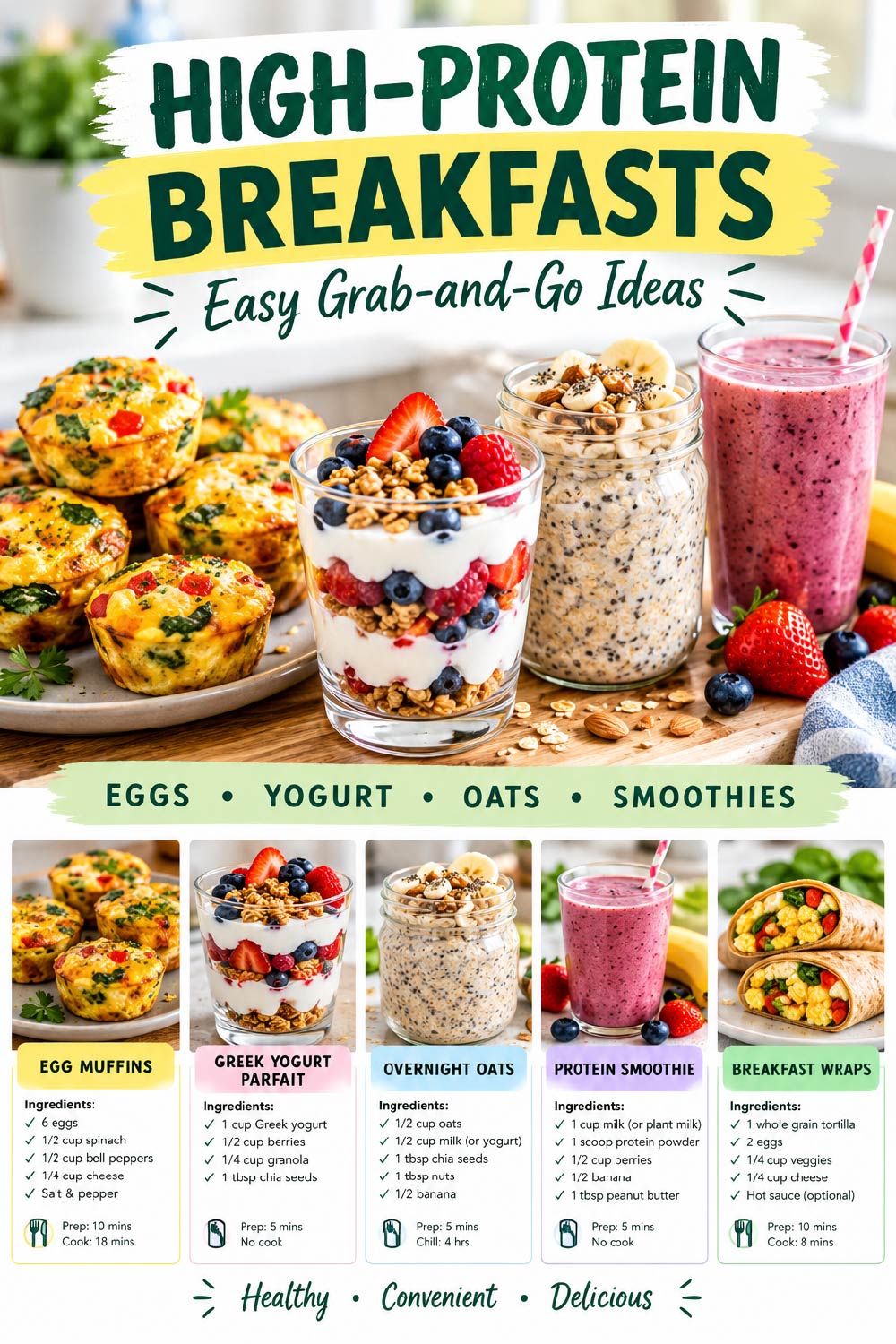
A five-day plan can make your morning routine almost automatic. On Monday, start with overnight oats made with berries, chia seeds, and Greek yogurt. Tuesday can be egg muffins with spinach and peppers plus a piece of fruit. Wednesday might be a peanut butter banana whole-grain toast packed alongside a yogurt cup. Thursday can feature a breakfast burrito with eggs, beans, spinach, and peppers, while Friday finishes the week with a berry smoothie or yogurt breakfast jar.
The point of this plan is not to prescribe a perfect menu. It demonstrates how small changes can create variety while using overlapping ingredients. Greek yogurt can appear in oats and smoothies, berries can work in several breakfasts, and spinach can be used in both egg muffins and burritos. This makes grocery shopping easier and reduces the number of ingredients sitting unused in your refrigerator. You can swap ingredients based on allergies, dietary preferences, seasonal availability, or what you already have at home. The best meal plan is flexible enough to survive a busy week.
Quick Comparison of Grab-and-Go Breakfast Ideas
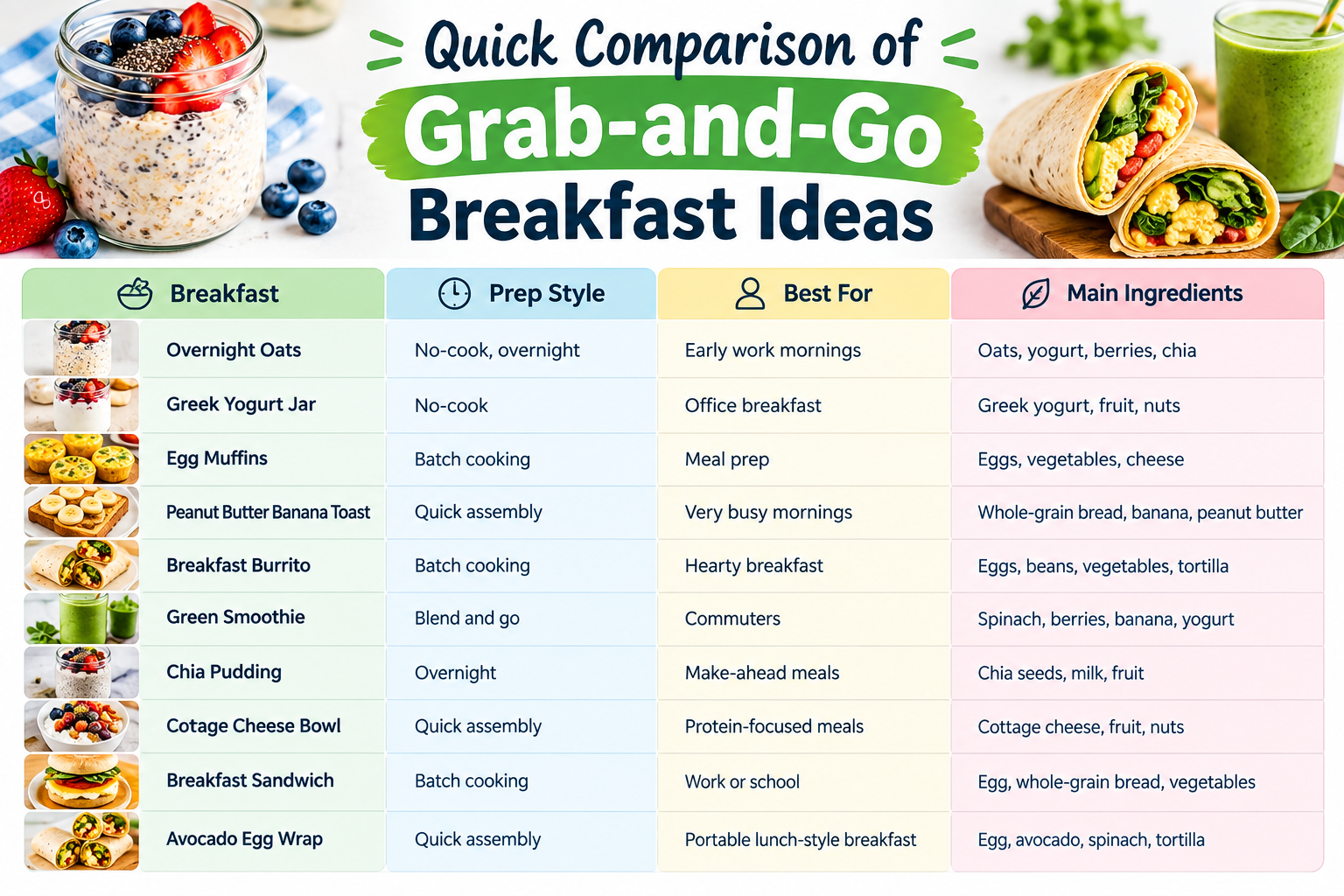
This comparison shows why it helps to keep multiple breakfast styles available. Some mornings you may have five minutes to cook, while other mornings you need to grab something directly from the refrigerator. Having no-cook, batch-cooked, and quick-assembly options gives you flexibility. It also prevents the classic meal-prep problem of preparing one large recipe and then getting tired of it halfway through the week. The goal is convenience without sacrificing variety.
Conclusion
Grab-and-go healthy breakfasts for busy mornings do not need to be complicated, expensive, or time-consuming. The most useful recipes are the ones you can prepare ahead, store safely, carry easily, and actually enjoy eating. Overnight oats, yogurt jars, egg muffins, breakfast burritos, smoothies, chia pudding, whole-grain toast, and breakfast wraps all give you simple ways to start the day with a combination of nutritious ingredients. Harvard's Healthy Eating Plate provides a useful general framework by emphasizing fruits and vegetables, whole grains, healthy protein, and healthy fats.
The real secret is preparation. Spend a little time organizing breakfast ingredients before the week begins, and your future self gets several easier mornings in return. Keep a few versatile staples in the kitchen, prepare two or three breakfast options, and use different flavors to keep things interesting. You do not need a perfect routine; you need a realistic one that works when your alarm goes off late and the morning starts moving at full speed. When healthy food is already waiting for you, eating well becomes less of a daily decision and more of an easy habit.
FAQs
1. What is a good grab-and-go breakfast for busy mornings?
A good grab-and-go breakfast should be easy to prepare, portable, satisfying, and made from foods that fit your dietary needs. Overnight oats, Greek yogurt jars, egg muffins, breakfast burritos, smoothies, chia pudding, and whole-grain toast are all practical choices. For better balance, combine foods from different categories, such as whole grains, fruit, vegetables, protein, and healthy fats. For example, Greek yogurt with berries, oats, and nuts provides a simple combination that requires little morning preparation. The best option ultimately depends on your schedule, appetite, preferences, and how you plan to eat it.
2. Can I prepare healthy breakfasts ahead of time?
Yes. Many healthy breakfast recipes are specifically suited to meal preparation. Overnight oats and chia pudding can be assembled the night before, while egg muffins, breakfast burritos, and sandwiches can be prepared in batches. Fruit can also be washed and portioned ahead of time for smoothies and yogurt bowls. Preparing several options at once can make weekday mornings easier because you are not starting breakfast from scratch every day. Store prepared foods appropriately and follow food-safety guidance for refrigeration and reheating.
3. What should I include in a filling breakfast?
Try combining a source of protein with fiber-rich carbohydrates and produce. Greek yogurt, eggs, cottage cheese, beans, nuts, and seeds can provide protein, while oats, whole-grain bread, fruit, and vegetables contribute carbohydrates and fiber. Healthy fats from foods such as avocado, nuts, seeds, and nut butter can also fit into a balanced breakfast. The exact amount you need depends on your individual energy requirements and overall diet. The FDA currently lists 28 grams as the Daily Value for dietary fiber based on a 2,000-calorie diet.
4. What are healthy breakfast ideas without cooking?
There are many no-cook options. Overnight oats, Greek yogurt and berry jars, chia pudding, cottage cheese with fruit and nuts, peanut butter banana toast, and snack boxes can all be prepared without using a stove. Smoothies only require blending, and many ingredients can be portioned in advance. No-cook breakfasts are especially helpful when your morning schedule is unpredictable. Keep several ready-to-eat ingredients in your refrigerator and pantry so you always have an option available.
5. How can I make grab-and-go breakfasts more interesting?
Rotate flavors rather than completely changing your shopping list every week. Use berries, apples, bananas, peaches, and other fruits in different combinations, and switch between cinnamon, vanilla, cocoa, nut butter, seeds, and different nuts for variety. Savory breakfasts can rotate between spinach, peppers, tomatoes, mushrooms, avocado, beans, and herbs. You can also alternate between breakfast jars, wraps, sandwiches, smoothies, and egg muffins. This gives you variety while allowing you to reuse the same core ingredients, which saves both preparation time and money.
Comments
0No comments yet — be the first to share your thoughts!