Freezer-Friendly Healthy Family Meals | Easy Make-Ahead Recipes
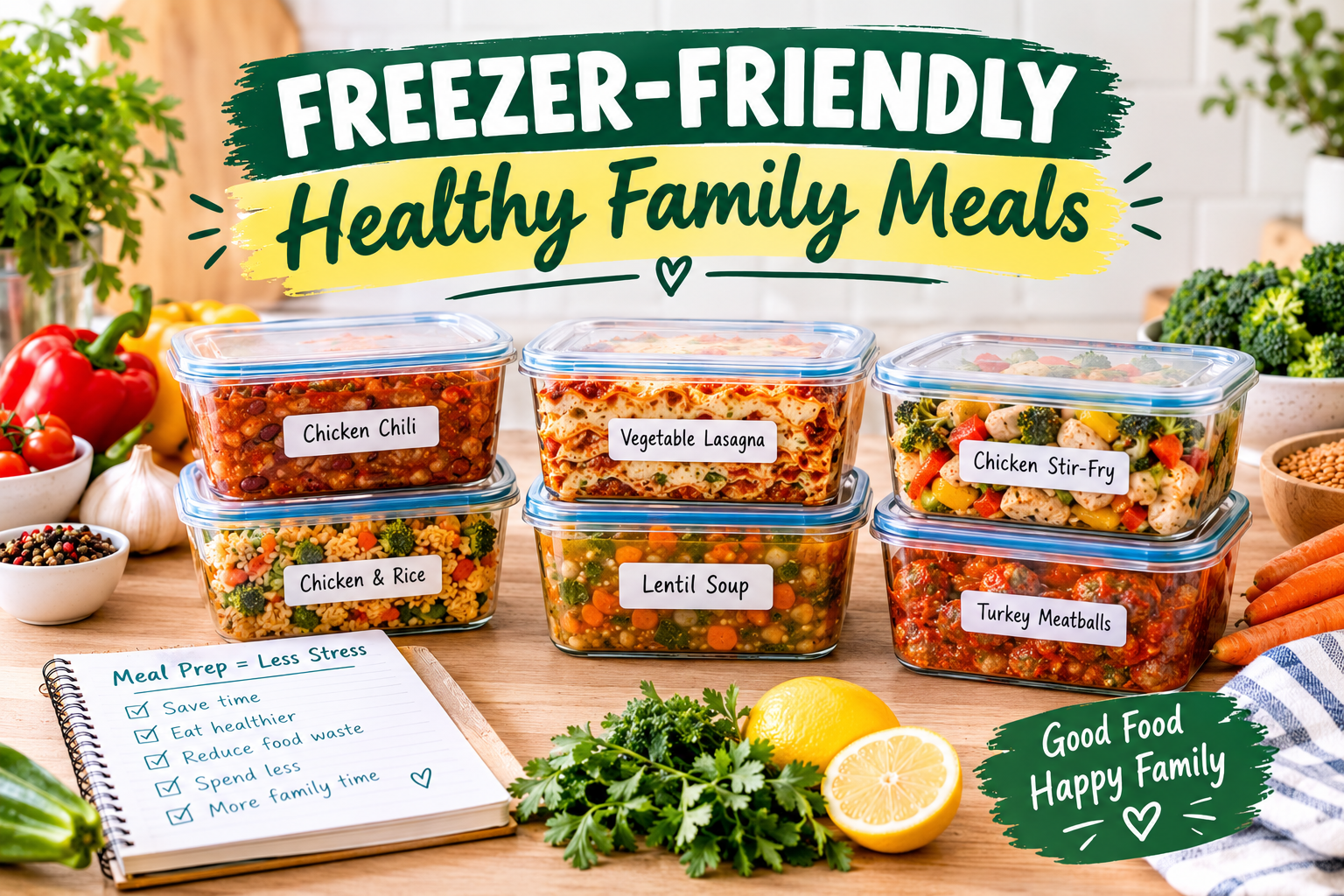
Discover 15 freezer-friendly healthy family meals that save time on busy weeknights. Try easy make-ahead recipes with simple ingredients and family-friendly flavors.
Freezer-Friendly Healthy Family Meals
Life gets busy quickly. One evening, you are helping with homework, answering work messages, or rushing between activities, and suddenly everyone is asking the same question: “What’s for dinner?” That is exactly where freezer-friendly healthy family meals can change your routine. Instead of starting from scratch every night, you can prepare nourishing meals ahead of time, portion them into family-sized or individual servings, freeze them, and have dinner waiting when you need it. Meal planning guidance from USDA MyPlate also encourages planning meals, using leftovers, and keeping a mix of fresh, frozen, and shelf-stable foods available to make healthy eating more convenient.
The best freezer meals are not complicated. Think of your freezer as an extension of your weekly meal plan rather than a place where forgotten food goes to disappear. A good freezer meal combines a satisfying protein, vegetables, a useful carbohydrate such as brown rice or whole-grain pasta, and a flavorful sauce or seasoning. When those components are chosen carefully, the meal can remain delicious after freezing and reheating. These freezer-friendly healthy family meals are especially useful for parents, busy professionals, students, and anyone who wants a homemade dinner without spending an hour in the kitchen every evening.
Why Freezer-Friendly Family Meals Are Worth Making
Freezer cooking gives you something more valuable than just frozen food: it gives you options. Imagine opening the freezer after a long Tuesday and finding a container of turkey chili, a chicken casserole, or a vegetable curry that only needs reheating. Instead of reaching for takeaway food or assembling a rushed dinner from whatever happens to be in the refrigerator, you already have a balanced meal ready to go. USDA MyPlate specifically recommends planning meals, making larger meals with leftovers, and keeping freezer-friendly foods available for busy days.
There is also a practical financial advantage. When you cook larger batches, you can use ingredients more efficiently and reduce the amount of food that gets forgotten in the refrigerator. A large bag of rice, a family pack of chicken, canned beans, frozen vegetables, and a few basic sauces can become several different meals. Freezing portions also helps you control serving sizes and makes it easier to avoid waste. The freezer becomes your backup plan, but a tasty one. Instead of thinking of meal prep as cooking the same boring dish repeatedly, think of it as building a small collection of homemade convenience meals that your family can mix and match throughout the month.
Save Time on Busy Weeknights
The biggest benefit of freezer meal prep is probably the time it gives back to you. Cooking once and freezing several portions can turn future dinners into simple reheating jobs. You might spend a couple of hours on a weekend preparing chili, meatballs, enchiladas, and a casserole, but those meals can cover multiple future evenings. That means fewer chopping boards, fewer pans to wash, and fewer last-minute trips to the supermarket. USDA guidance on meal planning similarly recommends considering your available time and choosing meals that can be prepared ahead when your schedule is tight.
A freezer meal can also make family evenings calmer. Instead of beginning dinner preparation when everyone is already hungry, you can move a meal from the freezer to the refrigerator earlier in the day and reheat it when needed. If you prefer individual portions, smaller containers make it possible for family members to heat exactly what they want. This is particularly useful when everyone eats at different times. The goal is not to make your kitchen completely hands-off; it is to move the work to a time when you have more energy and fewer distractions.
Make Healthy Eating Easier
Healthy eating becomes easier when the healthy choice is also the convenient choice. A freezer full of homemade meals means you do not have to rely entirely on highly processed convenience foods when time is short. You can deliberately build meals around vegetables, lean proteins, beans, whole grains, and flavorful herbs and spices. MyPlate recommends including a variety of fruits, vegetables, grains, protein foods, and dairy or fortified alternatives as part of a healthy eating routine.
Frozen vegetables can be especially useful because they require little preparation and can be added directly to soups, curries, casseroles, rice dishes, and pasta meals. USDA MyPlate resources note that frozen produce can be a convenient and nutritious option, while recommending attention to labels for sodium, saturated fat, and added sugars in packaged foods. When you prepare meals yourself, you also have more control over salt, sauces, cooking fats, and portion sizes. That flexibility makes freezer meal prep useful for families with different tastes and schedules.
What Makes a Meal Freezer-Friendly?
Not every recipe behaves the same way after freezing. Some foods come out of the freezer almost as good as they went in, while others become watery, mushy, or separated. The secret is choosing recipes with ingredients that tolerate freezing and reheating well. Soups, stews, chili, casseroles, cooked meats with sauces, meatballs, bean dishes, and many cooked grains are excellent candidates. Meals with enough moisture generally reheat better because freezing can cause some foods to lose moisture and texture.
A freezer-friendly meal should also be easy to portion and package. Flat freezer bags, stackable containers, and smaller meal-sized portions can help you use freezer space efficiently. Before freezing, allow hot food to cool appropriately and package it promptly rather than leaving it at room temperature for an extended period. USDA guidance recommends refrigerating or freezing perishable foods promptly and keeping the freezer at 0°F (-17.8°C) or below.
Ingredients That Freeze Well
Protein-rich ingredients such as cooked chicken, turkey, lean beef, beans, lentils, and meatballs generally work well in freezer meals, especially when combined with sauces, broth, or other moist ingredients. Cooked grains such as rice and quinoa can also be frozen in portions, although their texture may be better when they are not overcooked before freezing. Vegetables such as carrots, peas, corn, broccoli, cauliflower, spinach, onions, and peppers can work particularly well in soups, casseroles, curries, and cooked dishes. Frozen vegetables are already convenient, making them excellent ingredients for quick freezer cooking.
Tomato-based sauces, chili, soups, stews, curries, and casseroles are particularly forgiving because their moisture helps protect the texture of other ingredients. Beans and lentils are another excellent choice because they provide protein and fiber while holding up well in moist dishes. Whole grains and vegetables can help turn a basic protein into a complete family meal. The easiest approach is to build meals around familiar ingredients your family already enjoys rather than experimenting with ten unfamiliar foods at once.
Foods That Need Extra Care
Some ingredients need more attention when freezing. Fresh leafy greens, delicate herbs, raw cucumbers, high-water vegetables, and certain creamy sauces can change texture after freezing. Dairy-based sauces may separate, while potatoes can sometimes become grainy or watery depending on how they are cooked. Pasta can also become softer after freezing and reheating, so cooking it slightly less than you normally would can help maintain a better texture.
That does not mean these foods are completely off-limits. It simply means you may want to add certain ingredients after thawing rather than freezing them with the meal. Fresh herbs, crunchy toppings, avocado, lettuce, yogurt, and fresh vegetables can often be added just before serving. This creates a useful strategy: freeze the foundation and add the fresh finishing touches later. Your freezer meal then tastes less like something reheated and more like a dinner assembled fresh.
15 Freezer-Friendly Healthy Family Meals
These freezer-friendly family meals are designed around familiar ingredients, balanced components, and simple preparation. You can adjust vegetables, herbs, spices, and protein choices according to your family's preferences. Most recipes can be prepared in batches so you have several meals available at once. The nutrition figures for homemade recipes will vary depending on exact ingredients and serving sizes, so treat them as estimates rather than laboratory measurements.
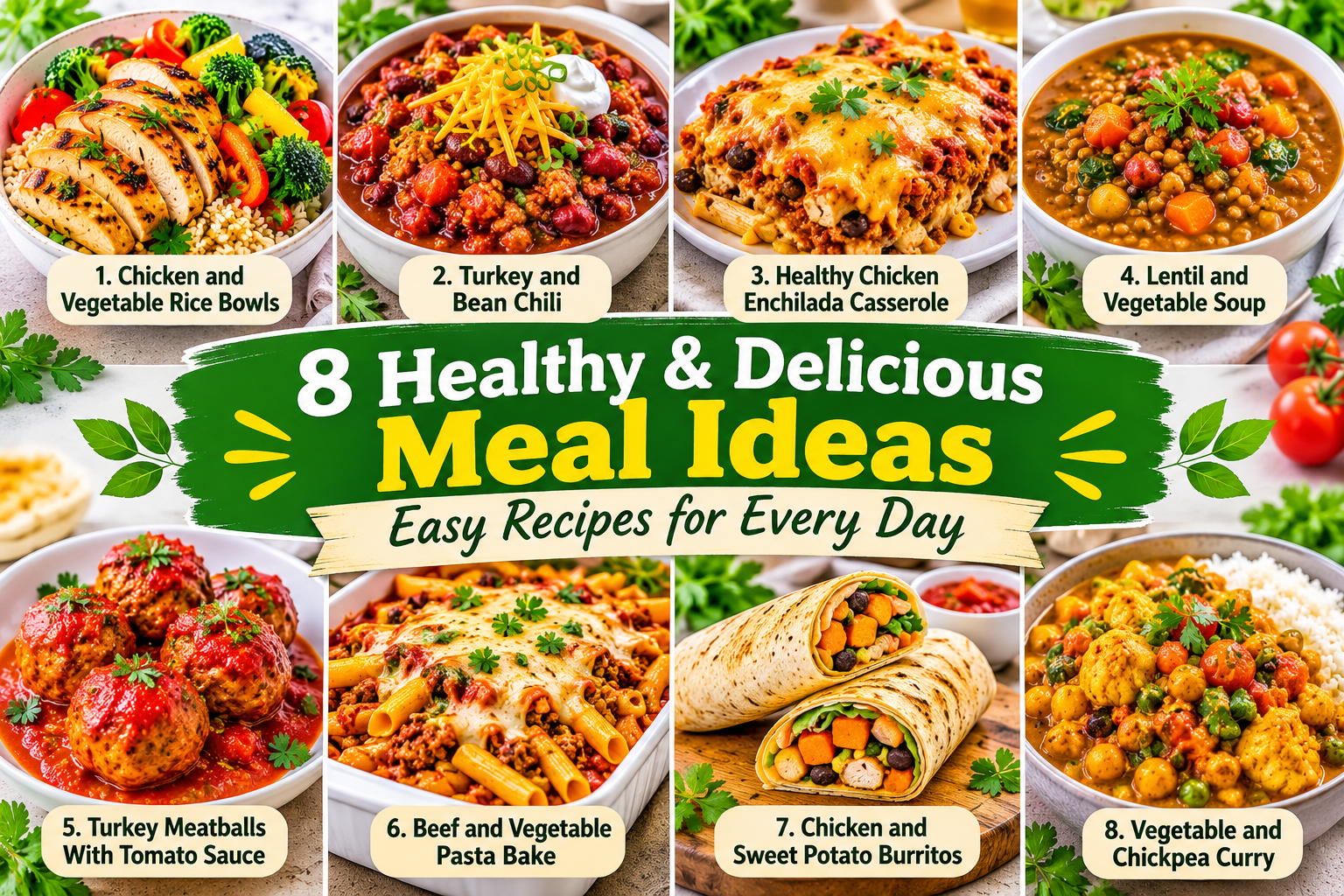
1. Chicken and Vegetable Rice Bowls
Chicken and vegetable rice bowls are a simple freezer meal because the main components are sturdy and easy to portion. Cook boneless chicken breast or thigh with garlic, paprika, black pepper, and a little olive oil, then combine it with cooked brown rice and vegetables such as broccoli, carrots, peas, and bell peppers. A light tomato-based sauce or mild soy-ginger sauce can add moisture and flavor without making the meal excessively heavy. Divide the finished mixture into freezer-safe containers and leave a little room for expansion before sealing.
For best texture, avoid overcooking the vegetables before freezing. They will soften again when reheated, so slightly crisp vegetables usually work better. When you are ready to eat, thaw the container in the refrigerator and reheat thoroughly. Add a squeeze of lemon, fresh herbs, or a spoonful of yogurt after reheating if you want a brighter finish. This is an especially useful meal for families because children can eat the components together while adults can add extra spices, chili flakes, or salad on the side.
2. Turkey and Bean Chili
Turkey and bean chili is almost designed for the freezer. Lean ground turkey provides protein, while kidney beans or black beans add fiber and make the dish satisfying without requiring a large amount of meat. Tomatoes, onions, peppers, garlic, cumin, paprika, and chili powder create a rich base that becomes even more flavorful after sitting. You can make a large pot in one session and freeze it in family-sized containers or individual portions.
Chili also gives you plenty of serving flexibility. Serve it with brown rice, a baked potato, whole-grain bread, or a small portion of tortilla chips. For a lighter topping, use plain Greek yogurt, chopped cilantro, or diced green onions instead of a heavy amount of cheese or sour cream. Because the dish is naturally moist, it generally reheats well without becoming dry. Keep the spice level moderate during cooking if you are feeding young children, then add hot sauce or chili flakes to individual adult portions.
3. Healthy Chicken Enchilada Casserole
Chicken enchilada casserole offers the comfort of classic Mexican-inspired food while giving you an easy freezer option. Layer shredded cooked chicken with black beans, corn, peppers, whole-grain tortillas, and a tomato-based enchilada sauce, then top with a moderate amount of shredded cheese. The beans and vegetables increase the volume of the meal, while chicken provides a substantial protein source. You can assemble the casserole in a freezer-safe baking dish, cover it tightly, and freeze it before baking.
For the best results, label the dish with the date and reheating instructions. When you plan to eat it, thaw it safely in the refrigerator before baking. Serve the casserole with fresh lettuce, tomato, salsa, or avocado added after reheating. Those fresh ingredients provide contrast to the soft, saucy casserole. This meal is also easy to customise: swap chicken for black beans and extra vegetables for a vegetarian version, or use turkey if that is what you already have available.
4. Lentil and Vegetable Soup
Lentil and vegetable soup is one of the most practical healthy freezer meals because lentils provide plant-based protein and fiber while the broth keeps the entire dish moist. Combine green or brown lentils with carrots, celery, onions, tomatoes, spinach, and seasonings such as garlic, thyme, black pepper, and paprika. You can add potatoes or a small amount of whole-grain pasta if your family prefers a more substantial soup. Once cooked, cool and portion the soup into freezer-safe containers.
The soup can become a complete meal when paired with whole-grain toast or a simple side salad. Frozen spinach works particularly well here because it is convenient and blends naturally into the broth. MyPlate identifies beans, peas, and lentils as part of the vegetable group as well as useful plant-based foods, making them versatile ingredients for family meals. After reheating, brighten the soup with lemon juice, parsley, or a small spoonful of plain yogurt.
5. Turkey Meatballs With Tomato Sauce
Turkey meatballs are a freezer staple because they can be used in several different meals. Mix lean ground turkey with oats or whole-grain breadcrumbs, egg, garlic, parsley, onion, and black pepper, then bake until cooked through. Freeze the meatballs with a homemade tomato sauce so they stay moist during storage and reheating. You can freeze them in family portions or individually first and then transfer them into a freezer bag.
When dinner arrives, serve the meatballs with whole-grain pasta, brown rice, roasted vegetables, or a whole-grain roll. They are also useful for packed lunches or quick meals because you can reheat only the amount you need. If your family likes different sauces, freeze the meatballs separately and add marinara, pesto, or another sauce after reheating. That small bit of flexibility can prevent freezer meal fatigue.
6. Beef and Vegetable Pasta Bake
A healthy beef and vegetable pasta bake brings classic comfort-food flavours into freezer-friendly meal prep. Use lean ground beef, whole-wheat pasta, chopped zucchini, mushrooms, spinach, onions, and a tomato-based sauce. A moderate amount of mozzarella or cheddar provides a creamy finish without needing a thick layer of cheese. Assemble everything in a baking dish and freeze before baking, or freeze cooked portions for faster reheating.
The trick is to avoid overcooking the pasta initially because it will continue cooking when the casserole is reheated. You can also increase the vegetables gradually if your family is not accustomed to vegetable-heavy meals. Finely chopped mushrooms, carrots, spinach, and zucchini blend easily into the sauce. Serve the pasta bake with a simple green salad or steamed vegetables to create a balanced dinner.
7. Chicken and Sweet Potato Burritos
Chicken and sweet potato burritos are convenient, filling, and easy to freeze individually. Fill whole-grain tortillas with shredded chicken, roasted sweet potato, black beans, corn, and a mild seasoning blend. Add a small amount of shredded cheese if desired, but avoid adding watery ingredients such as fresh tomato or lettuce before freezing. Roll each burrito tightly and wrap it individually so family members can take out only what they need.
Sweet potatoes provide a naturally sweet contrast to the seasoned chicken and beans. After reheating, add salsa, avocado, cilantro, or Greek yogurt for freshness. Individual burritos are especially helpful for busy families because they can become quick lunches as well as dinners. If you are preparing several at once, label them with the date and contents so you do not have to guess what is inside the freezer.
8. Vegetable and Chickpea Curry
A vegetable and chickpea curry is an excellent meat-free freezer meal with plenty of flavour. Combine chickpeas with cauliflower, carrots, peas, spinach, tomatoes, garlic, ginger, curry powder, and a modest amount of coconut milk or another creamy base. Serve it with brown rice or whole-grain naan when ready to eat. The sauce helps protect the vegetables and chickpeas from drying out, making the curry particularly suitable for freezing.
You can make the curry mild for the whole family and provide chili oil or fresh chilies separately for adults who want more heat. This approach is useful when one meal needs to satisfy several taste preferences. The recipe is also flexible enough to absorb leftover vegetables from the refrigerator, helping reduce food waste. Frozen vegetables can be especially convenient for adding variety without extensive chopping.
9. Spinach and Ricotta Stuffed Shells
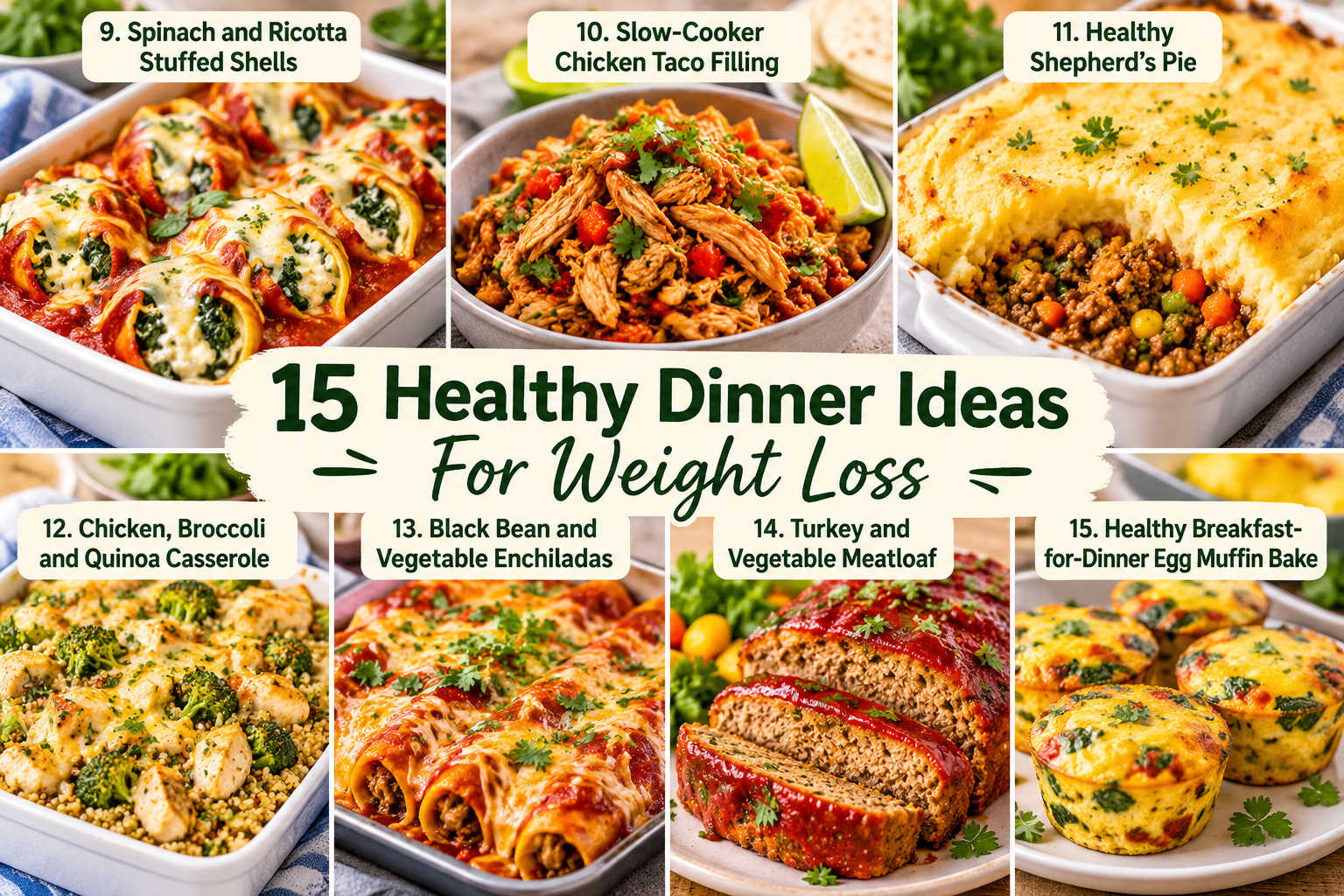
Stuffed shells are a comforting freezer meal that can be made healthier by using whole-grain pasta, spinach, ricotta, and a generous tomato sauce. The ricotta provides protein and creaminess, while spinach adds colour and vegetables. Stuff the cooked shells, arrange them in a baking dish with sauce, and cover them with a moderate amount of mozzarella. Freeze the assembled dish before baking or portion it after cooking.
Because the pasta absorbs sauce as it sits, use enough tomato sauce to keep the shells moist. When reheating, make sure the centre becomes thoroughly hot. Serve with roasted broccoli or a simple salad to add extra vegetables. This is one of those meals that feels special enough for a weekend dinner but is practical enough to prepare in advance.
10. Slow-Cooker Chicken Taco Filling
Chicken taco filling can be prepared in a large batch and frozen in portions for quick family dinners. Combine cooked shredded chicken with black beans, corn, tomatoes, peppers, onions, cumin, garlic, paprika, and a little lime juice. The mixture can be reheated and served in whole-grain tortillas, lettuce cups, rice bowls, or baked potatoes. Freezing the filling separately gives you more serving options than freezing complete tacos.
Fresh toppings should generally be added after reheating. Try chopped tomatoes, shredded lettuce, avocado, cilantro, salsa, or plain Greek yogurt. This makes the meal feel fresh even though the main filling came from the freezer. You can also use leftover cooked chicken to make this recipe, making it a practical example of turning one cooking session into several meals.
11. Healthy Shepherd's Pie
A lighter shepherd's pie can become an excellent freezer meal when made with lean ground turkey or beef, plenty of vegetables, and a mashed potato or sweet potato topping. Cook the meat with onions, carrots, peas, mushrooms, and a flavorful gravy, then spread the mash over the top. The filling and topping freeze well together when properly packaged. Prepare it in individual ramekins for convenient single portions or use one large freezer-safe baking dish for family dinners.
To make the dish more balanced, increase the vegetable-to-meat ratio without making the filling watery. Sweet potato mash can provide a different flavour profile, while ordinary potatoes work perfectly well too. After reheating, serve the pie with green vegetables or a crisp salad. The combination of soft filling and golden topping makes this a particularly family-friendly option during colder months.
12. Chicken, Broccoli and Quinoa Casserole
Chicken, broccoli, and quinoa make a straightforward protein-rich casserole that works well for meal prep. Combine cooked quinoa with chopped chicken, broccoli, onions, a light creamy sauce, and seasonings such as garlic and black pepper. Add a small amount of cheese for flavour and bake until bubbling. Once cooled, divide the casserole into portions and freeze.
Quinoa provides a useful alternative to pasta or rice and works well with chicken and vegetables. Broccoli can be lightly cooked before adding it to the casserole so it retains some texture after reheating. If your family prefers rice, simply substitute brown rice. The broader idea is what matters: combine a protein, whole grain, vegetable, and flavourful sauce in one convenient dish.
13. Black Bean and Vegetable Enchiladas
Black bean and vegetable enchiladas are a budget-friendly vegetarian freezer meal. Fill tortillas with black beans, corn, bell peppers, onions, spinach, and a little cheese, then cover them with tomato-based enchilada sauce. Freeze the assembled enchiladas in a covered baking dish. When you are ready to eat, thaw them safely before reheating and add fresh toppings afterward.
Beans make this meal satisfying while also providing plant-based protein and fiber. If your family enjoys stronger flavours, add cumin, smoked paprika, garlic, or mild chili powder to the filling. You can also make a large batch and freeze several smaller dishes rather than one huge casserole. That way, you can cook once while still having flexibility over how much food you use at each meal.
14. Turkey and Vegetable Meatloaf
Turkey meatloaf is another classic comfort food that freezes beautifully when prepared correctly. Mix lean ground turkey with oats or whole-grain breadcrumbs, grated carrot, finely chopped onion, zucchini, egg, garlic, and seasonings. Bake until fully cooked, cool, and slice before freezing if you want quick individual servings. A tomato-based glaze can be added before freezing or fresh after reheating.
Sliced meatloaf is particularly convenient because you can remove exactly what you need. Serve it with mashed sweet potatoes, brown rice, green beans, peas, or roasted vegetables. It also works well in sandwiches for next-day lunches. The hidden vegetables add moisture and nutrition while keeping the texture tender.
15. Healthy Breakfast-for-Dinner Egg Muffin Bake
Breakfast-for-dinner can be both healthy and freezer-friendly. Make an egg muffin bake using eggs, spinach, bell peppers, mushrooms, onions, and a moderate amount of cheese. Bake the mixture in a muffin tin or casserole dish, cool it completely, and freeze individual portions. Pair the egg bake with whole-grain toast, roasted potatoes, fruit, or a simple salad.
This option is especially useful for families with unpredictable schedules because individual portions are easy to reheat. You can change the vegetables based on what you have available, making it a useful refrigerator-cleanout meal. Avoid adding watery vegetables in large amounts because excess moisture can affect texture after freezing. Fresh fruit and avocado can be added at serving time rather than frozen with the egg bake.
How to Freeze Family Meals Properly
Safe freezing begins with temperature control and appropriate packaging. USDA guidance recommends keeping the freezer at 0°F (-17.8°C) or below and explains that foods kept continuously frozen remain safe, although quality can decline over time. For cooked leftovers, USDA recommends using them within three to four days when refrigerated or freezing them for longer storage; frozen leftovers are generally best used within three to four months for quality.
Use freezer-safe containers or heavy-duty freezer bags and remove as much excess air as practical. Label each container with the meal name and freezing date. Flat bags can save space and often thaw more quickly than thick containers, while rigid containers can protect delicate casseroles from being crushed. Divide large quantities into smaller portions so they cool and freeze more efficiently and so you do not have to thaw an entire batch when you only need one serving.
How to Thaw and Reheat Frozen Meals Safely
The safest everyday thawing options are the refrigerator, cold water, and microwave. USDA explains that refrigerator thawing takes the longest but keeps food at a safe temperature during the process, while cold-water thawing requires a leak-proof package and more attention. Microwave thawing is the fastest option, but food should be heated thoroughly after microwave thawing.
For many family meals, moving a container from the freezer to the refrigerator the night before is the easiest approach. Once thawed, leftovers should be handled like other perishable cooked foods and used within the recommended refrigerated storage period. If you use the microwave, stir food where appropriate so heat distributes evenly and use a food thermometer when necessary. USDA recommends reheating thawed leftovers to 165°F (73.9°C) when using the microwave thawing method.
How to Build a Healthy Freezer Meal
A simple formula can make freezer meal planning much easier: choose one protein, one vegetable combination, one satisfying carbohydrate, and one flavourful sauce or seasoning. For example, chicken plus broccoli plus brown rice plus tomato sauce creates a balanced starting point. Turkey plus beans plus vegetables plus tomatoes becomes chili. Chickpeas plus cauliflower plus spinach plus curry sauce becomes a vegetarian freezer dinner.
This approach prevents you from depending on a specific recipe every time you meal prep. You can shop according to sales and use ingredients you already have. MyPlate recommends using a mix of fresh, frozen, and shelf-stable foods and planning meals around ingredients already available at home. That means a freezer meal can be flexible rather than expensive. Keep staples such as beans, brown rice, frozen vegetables, canned tomatoes, lean proteins, whole-grain pasta, and herbs available, and you can create several combinations without buying an entirely new ingredient list for every recipe.
Smart Freezer Meal Prep Tips for Busy Families
Start small rather than trying to fill your freezer with twenty meals in one afternoon. Choose three or four recipes that your family already enjoys and double the quantities. Freeze half immediately and serve the rest during the week. This gives you a realistic test of how well each recipe freezes, thaws, and reheats before you make a much larger batch.
Label everything clearly. A freezer container without a label can become a mystery box surprisingly quickly, especially when tomato sauce, chili, and pasta dishes start looking similar. Include the recipe name, date frozen, and any important reheating instructions. Organize meals so the oldest items are easiest to reach and use them first for best quality.
Think about texture when planning your meals. Saucy dishes generally freeze better than dry dishes, and meals containing broth or gravy often reheat more successfully. Keep fresh toppings separate whenever possible. A frozen burrito becomes much more appealing when you add crisp lettuce, fresh salsa, avocado, or herbs after reheating.
Do not overlook breakfast and lunch. Egg bakes, burritos, soups, meatballs, wraps, casseroles, and individual rice bowls can all become useful weekday options. A freezer meal plan does not have to mean eating the same dinner every night. Instead, create a small rotation of meals that can be combined with different sides and fresh toppings.
Finally, remember that freezing does not automatically make an unhealthy meal healthy. Build your recipes around vegetables, useful protein sources, whole grains, beans, lentils, and sensible amounts of sauces, cheese, and cooking fats. MyPlate guidance emphasizes variety across vegetables, fruits, grains, protein foods, and dairy or fortified alternatives, while also encouraging attention to added sugars, saturated fat, and sodium.
Conclusion
Freezer-friendly healthy family meals are one of the simplest ways to make busy-weeknight cooking more manageable. With a little planning, you can prepare nourishing dishes when you have time and enjoy them later when your schedule is packed. From turkey chili and chicken rice bowls to lentil soup, vegetable enchiladas, meatballs, casseroles, and burritos, there are plenty of options that freeze well without sacrificing flavour.
The key is to think beyond simply “freezing leftovers.” Build meals intentionally with ingredients that handle freezing well, portion them conveniently, label everything, and thaw and reheat them safely. Keep your freezer stocked with a mixture of proteins, vegetables, grains, beans, soups, and complete meals so you always have a practical homemade option available. USDA guidance supports using meal planning, leftovers, and freezer storage as tools for saving time and making food preparation more manageable.
A well-planned freezer can feel like having a second kitchen working quietly in the background. You do the cooking when it suits your schedule, and your future self gets the reward on those evenings when everyone is hungry and time is short.
FAQs
1. What are the best healthy meals to freeze for a family?
Some of the best choices include turkey and bean chili, chicken and vegetable rice bowls, lentil soup, chicken enchiladas, turkey meatballs, vegetable curry, burritos, casseroles, and shepherd's pie. These meals contain ingredients that generally hold their texture and flavour well after freezing and reheating. Moist dishes such as soups, stews, chili, and saucy casseroles are particularly convenient because they are less likely to become dry. You can make them in batches and freeze them in family-sized or individual portions depending on your household's schedule.
2. How long can healthy family meals stay in the freezer?
Food kept continuously frozen at 0°F (-17.8°C) remains safe, although its taste and texture can decline over time. USDA recommends using frozen leftovers within about three to four months for best quality. Labeling meals with the freezing date makes it much easier to rotate older meals first. If a meal develops freezer burn, it is not necessarily unsafe, but its quality may be affected.
3. Can I freeze cooked chicken and rice together?
Yes, cooked chicken and rice can be frozen together as part of a properly prepared meal. For better texture, avoid overcooking either ingredient before freezing and include enough sauce or moisture to prevent the meal from becoming dry. Divide the food into practical portions, package it in freezer-safe containers, label it, and freeze promptly. When you are ready to eat, thaw it safely and reheat thoroughly.
4. What is the safest way to thaw freezer meals?
The refrigerator is generally the easiest safe method for planned meals because the food stays chilled while it thaws. USDA also identifies cold water and microwave thawing as safe methods when handled correctly. Do not leave perishable food sitting at room temperature for extended periods. If food is thawed in the microwave, heat it thoroughly afterward, and follow appropriate food-temperature guidance.
5. How can I make freezer meals healthier?
Start with a simple structure of lean or plant-based protein, vegetables, whole grains or another satisfying carbohydrate, and a flavourful sauce. Use beans and lentils regularly, add frozen vegetables when convenient, and choose sauces and packaged ingredients with lower sodium, saturated fat, and added sugars when possible. MyPlate also recommends including a variety of food groups as part of a healthy eating routine. Finally, add fresh toppings such as herbs, salad vegetables, salsa, or fruit after reheating to make freezer meals taste fresher.
Comments
0No comments yet — be the first to share your thoughts!