Easy Chicken Soup Recipes for Meal Prep | Healthy & Quick
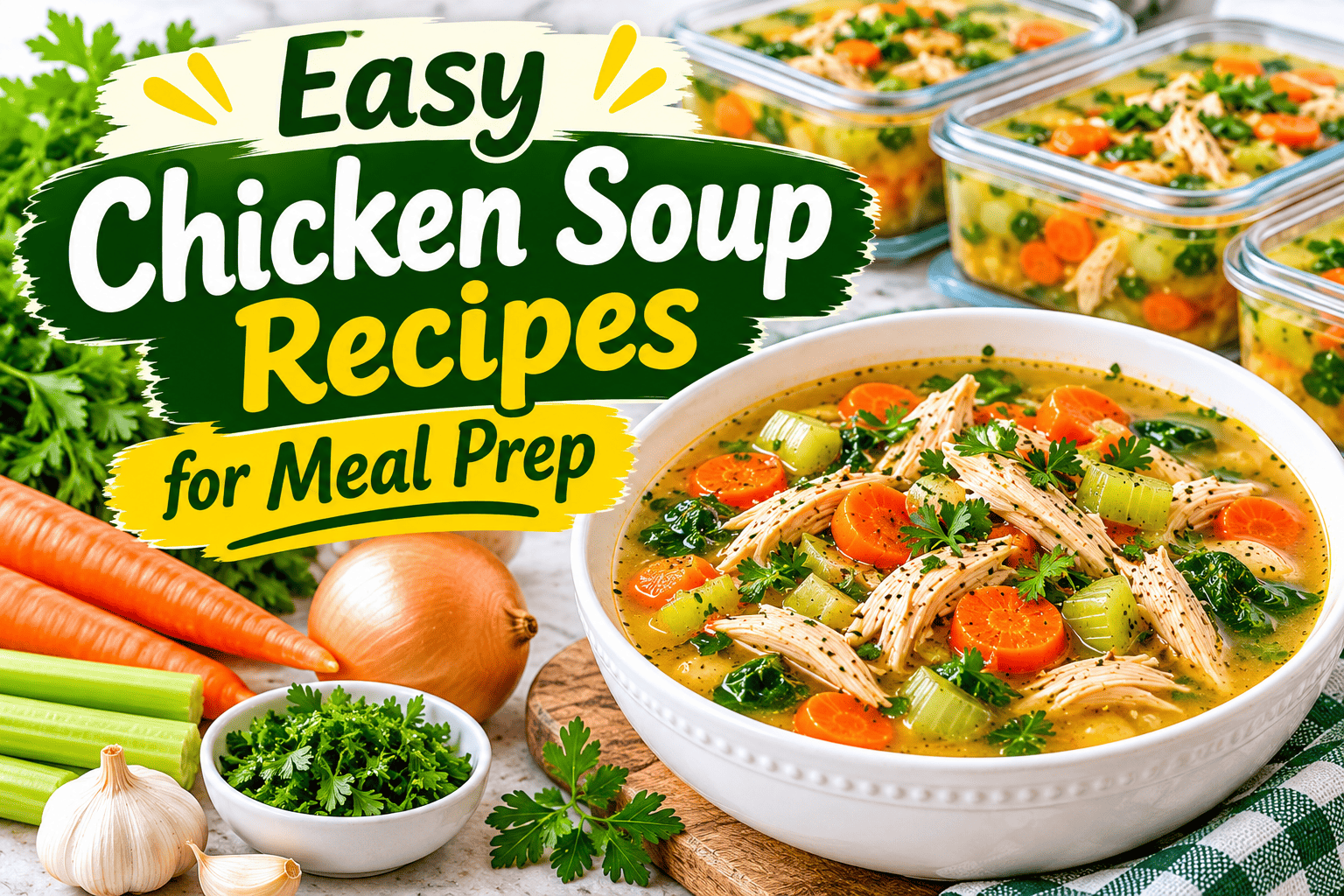
Discover easy chicken soup recipes for meal prep that are healthy, filling, and simple to make. Perfect for busy weeknight lunches and dinners.
Easy Chicken Soup Recipes for Meal Prep
Chicken soup is one of those meals that seems simple, yet it can solve an entire week of busy lunches and dinners. A warm bowl can combine lean protein, vegetables, grains, beans, herbs, and flavorful broth without requiring complicated cooking techniques. That makes easy chicken soup recipes for meal prep especially useful when you want homemade food ready in the refrigerator instead of reaching for takeout after a long day. The best part is that chicken soup is incredibly flexible. You can make a classic vegetable version, add noodles or rice for extra carbohydrates, stir in beans for fiber, or brighten everything with lemon and fresh herbs.
Meal-prep soup also has a practical advantage: one large pot can produce several servings at once. The American Heart Association, for example, features chicken soup recipes that combine chicken with vegetables and grains while keeping protein relatively high; one of its chicken-vegetable soups provides 30 grams of protein and 5 grams of fiber per serving. That does not mean every homemade soup will have the same nutrition, but it shows how easily soup can become a balanced meal. If your goal is to eat better during hectic weekdays, these chicken soup ideas give you a comforting, budget-friendly starting point.
Why Chicken Soup Is Perfect for Meal Prep
Meal prep is really about removing decisions from your busiest days. Instead of asking yourself what you are going to eat at lunchtime when you are already hungry, you simply open the refrigerator and grab a prepared container. Chicken soup fits that routine beautifully because it is naturally suited to batch cooking. A large pot can provide four, five, or even six meals depending on the recipe and serving size, and you can change the flavor profile without changing the basic cooking method. Think of the broth as a blank canvas: chicken supplies the protein, vegetables add color and texture, and grains or legumes make the meal more filling.
Another advantage is versatility. You do not need an expensive list of ingredients to make a satisfying soup. Carrots, celery, onion, garlic, frozen vegetables, canned beans, chicken breast, broth, and a few dried herbs can create a flavorful base. You can also use leftover cooked chicken, which makes the preparation even faster. For people cooking for one or two, soup can be portioned into individual containers so there is no temptation to order something else. For families, a larger batch can become lunch one day and dinner another, especially when served with whole-grain bread or a simple side salad.
What Makes a Meal-Prep Soup Work
A successful meal-prep soup needs more than good flavor. It should have ingredients that hold their texture reasonably well after refrigeration and reheating. Vegetables such as carrots, celery, green beans, peas, corn, and cabbage are useful because they can remain pleasant after cooking. Chicken is another excellent choice because cooked pieces can be portioned easily and reheated with the broth. If you add pasta, remember that it can continue absorbing liquid while the soup sits; the American Heart Association specifically warns that pasta in leftover soup can absorb broth and make the leftovers thicker.
For the best results, think about what will happen on day three, not just what tastes wonderful straight from the pot. You can slightly undercook delicate vegetables so they finish cooking during reheating, and you can keep certain toppings separate. Fresh herbs, lemon juice, avocado, tortilla strips, yogurt, or grated cheese can be added just before serving rather than stored in the soup. This simple strategy keeps your meal-prep containers tasting fresher and gives you more control over texture. A good soup should feel like a meal you look forward to eating, not something you are forcing yourself to finish because you cooked too much.
How to Build a Healthy Chicken Soup
A balanced chicken soup usually starts with four components: protein, vegetables, a flavorful liquid, and a satisfying carbohydrate or fiber-rich ingredient. Chicken breast is an easy lean-protein option, but boneless chicken thighs can work when you prefer a richer flavor. Vegetables can include whatever is affordable and available, which makes soup particularly useful for reducing food waste. Broth creates the foundation, while garlic, onion, herbs, spices, lemon, ginger, or tomatoes provide personality without requiring heavy sauces.
The carbohydrate component depends on what you want from the meal. Brown rice, wild rice, barley, whole-grain noodles, potatoes, beans, chickpeas, and lentils can all make soup more substantial. You do not necessarily need to add a starch at all if you prefer a lighter meal, but adding one can make a soup more satisfying for a busy workday. For a higher-fiber option, beans and lentils are especially useful. For a lower-carbohydrate bowl, increase the vegetables and chicken while reducing or skipping rice, pasta, and potatoes. The goal is not to create one “perfect” soup; it is to build a combination that fits your appetite and routine.
Choosing the Best Chicken
Boneless, skinless chicken breast is probably the easiest choice for meal-prep soup because it cooks relatively quickly and provides a lean source of protein. You can poach whole breasts directly in the broth, then remove and shred them before returning the meat to the pot. Cubed chicken also works well when you want bite-sized pieces distributed throughout every serving. Cooked leftover chicken can save even more time, making it possible to assemble a soup in under 30 minutes.
Chicken thighs are another excellent option when you prefer tender, richer meat. They contain more fat than breast meat, but that extra richness can add flavor to a simple broth. Whatever cut you choose, cook the chicken thoroughly and store the finished soup promptly. USDA guidance recommends keeping cooked chicken refrigerated at 40°F (4.4°C) or below and using it within three to four days. This matters when meal prepping because a pot that looks perfectly fine can still become unsafe if it is left at room temperature for too long.
Adding Vegetables, Grains, and Beans
Vegetables are where chicken soup can become colorful, nutritious, and interesting instead of tasting like plain broth with meat. Start with classic aromatics such as onion, carrot, celery, and garlic. From there, add spinach, kale, zucchini, mushrooms, peas, green beans, bell peppers, tomatoes, cabbage, or corn. Frozen vegetables are completely practical for meal prep because they require little chopping and can be added directly to the pot.
For grains and legumes, consider how they will behave during storage. Rice, barley, lentils, chickpeas, and beans can make soup more filling, while noodles offer a familiar comfort-food quality. If you are preparing several days of meals, consider cooking pasta separately and adding it to individual portions when reheating. This can help prevent the noodles from becoming overly soft. You can use the same strategy with fresh spinach or herbs: keep them separate and add them toward the end for a fresher result.
Easy Chicken Soup Meal Prep Recipe
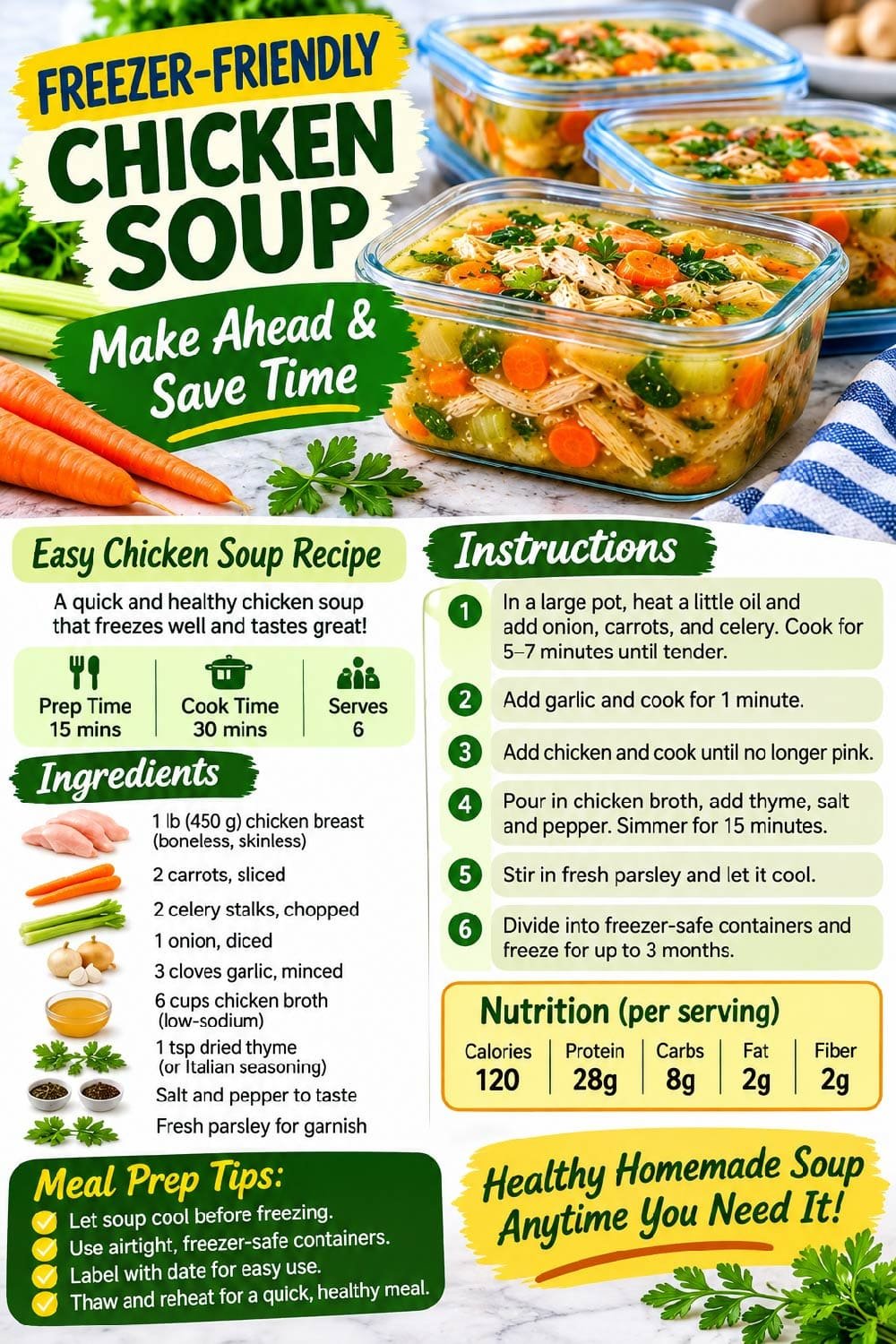
This basic chicken soup is a dependable starting point when you want a healthy batch that works for weekday lunches. It combines chicken breast with carrots, celery, onion, garlic, peas, and herbs in a light broth. The recipe makes approximately six servings and can be adjusted easily. Add rice when you want a more substantial bowl, use extra vegetables for a lighter version, or add beans when you want more fiber.
Ingredients You’ll Need
For six servings, use approximately 1½ pounds boneless, skinless chicken breast, 8 cups low-sodium chicken broth, 1 large diced onion, 3 sliced carrots, 3 sliced celery stalks, 3 minced garlic cloves, 1½ cups frozen peas, 1 teaspoon dried thyme, ½ teaspoon dried oregano, 1 bay leaf, 1 tablespoon olive oil, black pepper, and lemon juice to taste. You can add 1 cup cooked brown rice or cooked whole-grain noodles if you want carbohydrates in the finished meal. Fresh parsley makes an excellent finishing ingredient.
The ingredient list is intentionally simple because meal prep should not require a special shopping trip. If you already have cooked chicken, use about four cups shredded chicken and reduce the cooking time substantially. Low-sodium broth gives you more control over the final flavor, particularly if you are adding herbs, spices, or other salty ingredients. The American Heart Association also recommends comparing labels and choosing lower-sodium options when using canned or prepared ingredients in chicken soup.
Step-by-Step Cooking Instructions
Heat olive oil in a large pot over medium heat and cook the onion, carrots, and celery for about five minutes, until the vegetables begin to soften. Add the garlic, thyme, oregano, and black pepper and cook briefly until fragrant. Pour in the chicken broth, add the chicken breasts and bay leaf, and bring the mixture to a gentle simmer. Cook until the chicken is thoroughly cooked, then transfer it to a plate, shred or chop it, and return it to the pot.
Add the peas during the final few minutes so they retain some color and texture. If you are using cooked rice, stir it in near the end rather than cooking it for a long time in the broth. Remove the bay leaf, taste the soup, and brighten it with lemon juice and fresh parsley. Divide the cooled soup into individual containers for meal prep. The finished soup should taste savory, fresh, and comforting without needing cream or a heavy sauce.
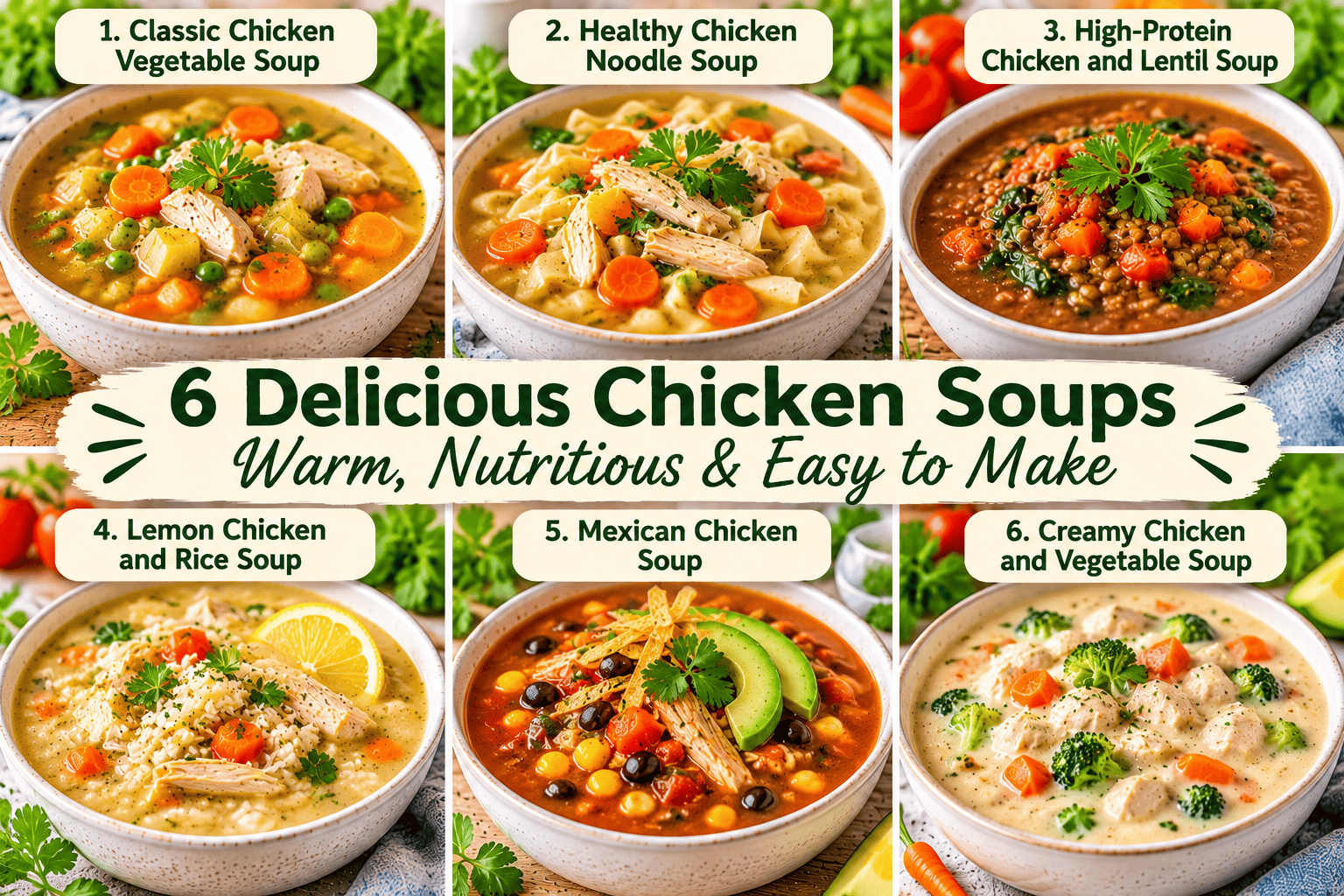
Classic Chicken Vegetable Soup
Classic chicken vegetable soup is the option to make when you want something familiar enough for the whole family. The combination of chicken, carrots, celery, onions, peas, green beans, and herbs creates a balanced bowl that feels substantial without becoming heavy. You can make it with chicken breast for a leaner result or use a mixture of breast and thigh meat for extra flavor. Potatoes are another easy addition when you want the soup to function as a complete dinner.
For meal prep, keep the vegetables in reasonably large pieces rather than chopping everything extremely small. Smaller pieces can become soft more quickly during reheating. A splash of lemon juice at the end can wake up the broth, while parsley or dill adds freshness. If you want more protein per serving, increase the chicken rather than simply adding more noodles or potatoes. This style of soup is also easy to adapt to whatever vegetables you already have in the refrigerator, making it a practical way to use produce before it goes to waste.
Healthy Chicken Noodle Soup
Chicken noodle soup is classic comfort food, but you can make a meal-prep version that feels lighter and more balanced. Use plenty of chicken and vegetables, then add a moderate amount of whole-grain noodles. Carrots, celery, onions, spinach, and peas work particularly well with noodles because they add color and texture without overwhelming the broth. A little thyme, parsley, garlic, and black pepper can create plenty of flavor without relying on a heavy sauce.
The key meal-prep trick is controlling the noodles. Pasta continues absorbing liquid after cooking, which can make refrigerated soup thick and soft. The American Heart Association recommends remembering this effect when storing soup containing pasta. For the best texture, cook noodles separately and add them to each portion, or slightly undercook them in the main soup. When reheating, add a splash of broth or water if necessary. This simple adjustment can make a day-four serving taste much closer to the freshly cooked version.
High-Protein Chicken and Lentil Soup
If you want a chicken soup that keeps you satisfied for longer, combine chicken with lentils. Lentils add fiber and plant-based protein while creating a thicker, heartier texture. Start with onions, carrots, celery, and garlic, then add green or brown lentils, diced tomatoes, chicken broth, and seasonings such as cumin, paprika, thyme, and black pepper. Add diced chicken during the cooking process and finish with lemon juice or parsley.
This soup is particularly useful for meal prep because lentils generally hold their texture well and become even more flavorful as the ingredients sit together. You can prepare a large batch on Sunday and portion it into lunches for the first half of the week. If the soup thickens in the refrigerator, simply add a little broth when reheating. For an even more vegetable-forward version, add chopped spinach during the final minutes. The result is a hearty bowl with chicken, legumes, vegetables, and broth all working together rather than a meal that depends on one ingredient for fullness.
Lemon Chicken and Rice Soup
Lemon chicken and rice soup is bright, comforting, and ideal when you want something lighter than a creamy soup. The lemon cuts through the richness of the chicken broth and gives the finished dish a fresh flavor. Cook chicken with onion, carrot, celery, garlic, broth, and herbs, then add cooked rice near the end. Finish each serving with lemon juice and chopped parsley.
Brown rice or wild rice can make the soup more substantial, while white rice cooks more quickly and produces a softer texture. If you are meal prepping several portions, storing cooked rice separately can help prevent it from absorbing too much broth. This soup also pairs nicely with spinach, kale, zucchini, or peas. A small amount of lemon zest can add even more citrus flavor without requiring a large quantity of juice. It is the kind of recipe that proves healthy meal prep does not have to taste repetitive or boring.
Mexican Chicken Soup
For a more flavorful meal-prep option, turn chicken soup into a Mexican-inspired bowl with tomatoes, black beans, corn, bell peppers, cumin, chili powder, garlic, lime, and cilantro. The combination delivers a completely different experience from traditional chicken noodle soup while using many of the same basic pantry ingredients. Chicken provides the protein, beans add fiber and carbohydrates, and vegetables give the broth body.
The American Heart Association has a Mexican chicken soup that combines chicken, beans, corn, tomatoes, and seasonings, providing 33 grams of protein and 8 grams of fiber per serving in its tested recipe. Your homemade version will vary depending on ingredients and portions, but the structure is a useful example of how chicken soup can become a high-protein, high-fiber meal. Store toppings such as avocado, tortilla strips, and fresh cilantro separately. Add them after reheating so they retain their texture.
Creamy Chicken and Vegetable Soup
You do not need a lot of heavy cream to create a creamy chicken soup. One easy approach is to blend part of the cooked vegetables and broth until smooth, then return the mixture to the pot. Another option is to use a modest amount of milk or plain Greek yogurt. The blended vegetables create natural body while allowing the soup to remain packed with chicken and vegetables.
For a meal-prep version, use chicken breast, carrots, cauliflower, celery, onion, garlic, spinach, and broth. Cook the vegetables until tender, blend part of the soup, then return it to the pot with shredded chicken and spinach. If using yogurt, allow the soup to cool slightly before stirring it in so the texture remains smooth. This method creates a comforting creamy texture without turning the entire recipe into a heavy cream-based dish.
Slow Cooker Chicken Soup for Meal Prep
A slow cooker can make meal prep easier because most of the cooking happens without constant attention. Add chicken breasts or thighs, carrots, onion, celery, garlic, herbs, vegetables, and broth to the slow cooker, then let everything cook until the chicken is tender. Once cooked, shred the chicken directly in the pot or remove it briefly and return the shredded meat to the soup. Add delicate vegetables toward the end when necessary so they do not become excessively soft.
Slow cooker soup is particularly useful on busy days because you can assemble the ingredients in advance and let the appliance handle the cooking. The American Heart Association also features a slow cooker Mexican chicken soup designed around this style of preparation, using chicken, vegetables, tomatoes, spices, and broth. For freezer meal prep, some slow-cooker soup recipes can also be assembled as freezer packs, then thawed safely before cooking. Always follow safe thawing practices rather than leaving frozen ingredients on the counter.
How to Store Chicken Soup Safely
Food safety matters just as much as flavor when you are preparing several meals at once. USDA guidance says cooked chicken and other leftovers should generally be refrigerated within two hours and used within three to four days when kept at 40°F or below. If your kitchen or room temperature is above 90°F, the USDA recommends a shorter two-hour window of just one hour for perishable food left at room temperature. This is especially important when you have prepared a large pot of soup because a deep, hot container can take longer to cool.
Divide the soup into smaller, shallow containers rather than leaving the entire batch in one large pot. Place the containers in the refrigerator promptly, and avoid repeatedly taking the whole batch in and out of the refrigerator throughout the week. Label each container with the date so you know which portion should be eaten first. If you will not eat the soup within the recommended refrigerated window, freeze it instead. Good organization turns food safety into a simple routine rather than something you have to think about every meal.
How to Freeze Chicken Soup
Chicken soup freezes well, but the ingredients you choose can affect the final texture. Broth, chicken, carrots, celery, beans, lentils, and many other vegetables generally freeze successfully. Noodles, potatoes, and rice can sometimes become softer after freezing and thawing, so consider preparing those separately when texture is important. Leave some room at the top of freezer containers because liquid expands as it freezes.
USDA guidance says chicken broth can be frozen for best quality for around two to three months, while general leftovers can be frozen longer depending on the food and storage conditions. For thawing, the refrigerator is one safe option because the food remains at a controlled temperature while it defrosts. USDA also identifies cold-water and microwave methods as safe thawing options when handled correctly. Once thawed, use the soup within the recommended timeframe and reheat it thoroughly before serving.
Best Containers for Soup Meal Prep
A good container can make the difference between convenient meal prep and a messy refrigerator. Look for leak-resistant containers with secure lids and enough room to hold one satisfying portion. Glass containers are useful if you want a durable option that can move from refrigerator to microwave, while lightweight plastic containers can be convenient for taking lunch to work. Whatever material you choose, make sure it is designed for the intended use and follow the manufacturer's instructions for heating.
Portioning is another important consideration. Instead of storing six servings in one giant container, divide the soup into individual meals. That makes weekday lunches faster and reduces the amount of time the entire batch spends outside the refrigerator. If you are freezing soup, choose freezer-safe containers and leave expansion space. You can also freeze portions flat in suitable freezer bags when appropriate, which can save freezer space and make thawing faster.
Tips for Keeping Meal-Prep Soup Delicious
The best meal-prep soup is not necessarily the recipe with the most ingredients. It is the recipe that still tastes good after several days. Build flavor in layers by sautéing onions and vegetables before adding the broth, seasoning the chicken properly, and finishing the soup with an acidic ingredient such as lemon or lime. Fresh herbs can transform a batch that has started to taste repetitive. A small garnish added just before eating can make the meal feel freshly prepared.
You can also create variety without cooking several completely different soups. Prepare one neutral chicken vegetable base, then change individual portions with toppings and seasonings. Add chili flakes and lime to one container, lemon and parsley to another, and cooked noodles or rice to a third. This approach gives you variety while preserving the efficiency of batch cooking. The trick is to make your meal prep work like a small restaurant kitchen: one dependable base, several easy finishing touches.
Easy Ways to Customize Chicken Soup
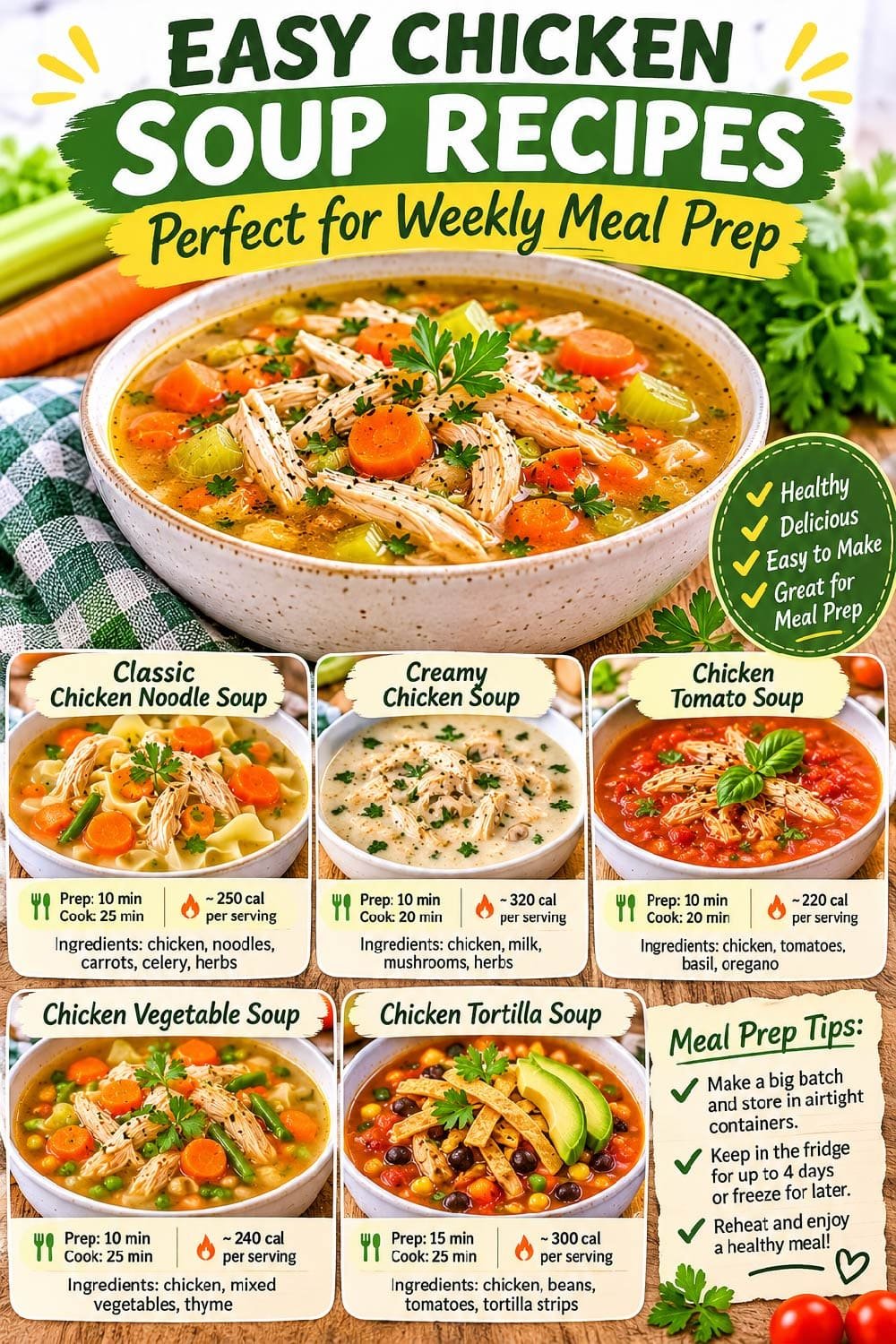
Once you have a reliable chicken soup base, customization becomes almost endless. For extra protein, increase the chicken or add beans and lentils. For more vegetables, add spinach, kale, zucchini, mushrooms, cabbage, peas, or green beans. For a more filling meal, include brown rice, barley, potatoes, or whole-grain noodles. If you want stronger flavor, experiment with curry powder, smoked paprika, cumin, ginger, chili flakes, Italian herbs, or fresh lemon.
You can also tailor your soup to different seasons. A winter soup might feature potatoes, carrots, barley, and warming herbs, while a lighter summer version could use zucchini, tomatoes, spinach, lemon, and fresh basil. For a spicy option, add chili and lime. For a creamy bowl, blend vegetables with broth. The foundation stays the same, but the final dish can feel completely different. That flexibility is one reason easy chicken soup recipes for meal prep remain such a practical choice for busy households.
Conclusion
Easy chicken soup recipes are one of the simplest ways to make homemade meals more manageable during a busy week. With one large pot, you can combine chicken, vegetables, broth, grains, beans, and herbs into several satisfying portions that are ready whenever hunger arrives. The best recipes are flexible rather than complicated, allowing you to swap vegetables, change seasonings, use leftover chicken, or choose rice, noodles, lentils, or beans depending on what you have available.
For meal prep, focus on flavor, texture, portion size, and safe storage. USDA guidance recommends refrigerating cooked chicken and leftovers promptly and generally using them within three to four days when properly refrigerated. If you need longer storage, freezing individual portions gives you a convenient backup meal. Whether you prefer classic chicken vegetable soup, lemon chicken and rice, Mexican chicken soup, or a high-protein lentil version, a homemade batch can make weekday eating easier without sacrificing flavor.
Frequently Asked Questions
1. How long does chicken soup last in the refrigerator?
Properly refrigerated chicken soup is generally best used within three to four days. USDA guidance recommends keeping cooked chicken and leftovers at 40°F (4.4°C) or below during refrigerated storage. If you know you will not eat the soup within that period, freeze individual portions instead of keeping them refrigerated for longer.
2. Can I freeze homemade chicken soup?
Yes, chicken soup can be frozen successfully. Chicken, broth, carrots, beans, lentils, and many vegetables generally freeze well, although noodles, potatoes, and rice may change texture after thawing. USDA guidance says frozen chicken broth maintains best quality for roughly two to three months. Use freezer-safe containers, leave room for expansion, and label each container with the date.
3. What chicken is best for meal-prep soup?
Boneless, skinless chicken breast is an easy choice because it is lean and cooks quickly, while chicken thighs provide a richer flavor and tender texture. Both can work well in soup. You can also use leftover cooked chicken to shorten preparation time, adding it toward the end so it does not become unnecessarily dry.
4. How can I stop noodles from getting soggy in chicken soup?
Cook noodles separately and add them to individual portions when serving, or slightly undercook them before combining them with the soup. Pasta continues absorbing broth as it sits, which can make refrigerated chicken noodle soup thicker and softer. Keeping noodles separate is usually the easiest solution for meal prep.
5. What can I add to chicken soup to make it more filling?
Try adding lentils, beans, brown rice, barley, potatoes, whole-grain noodles, or extra chicken. These ingredients can make soup more substantial while giving you different textures and flavors. Vegetables such as carrots, spinach, peas, corn, and cabbage can also increase the volume of the meal without requiring complicated preparation.
Comments
0No comments yet — be the first to share your thoughts!