2 High-Protein Lunch Bowls You'll Want Every Day
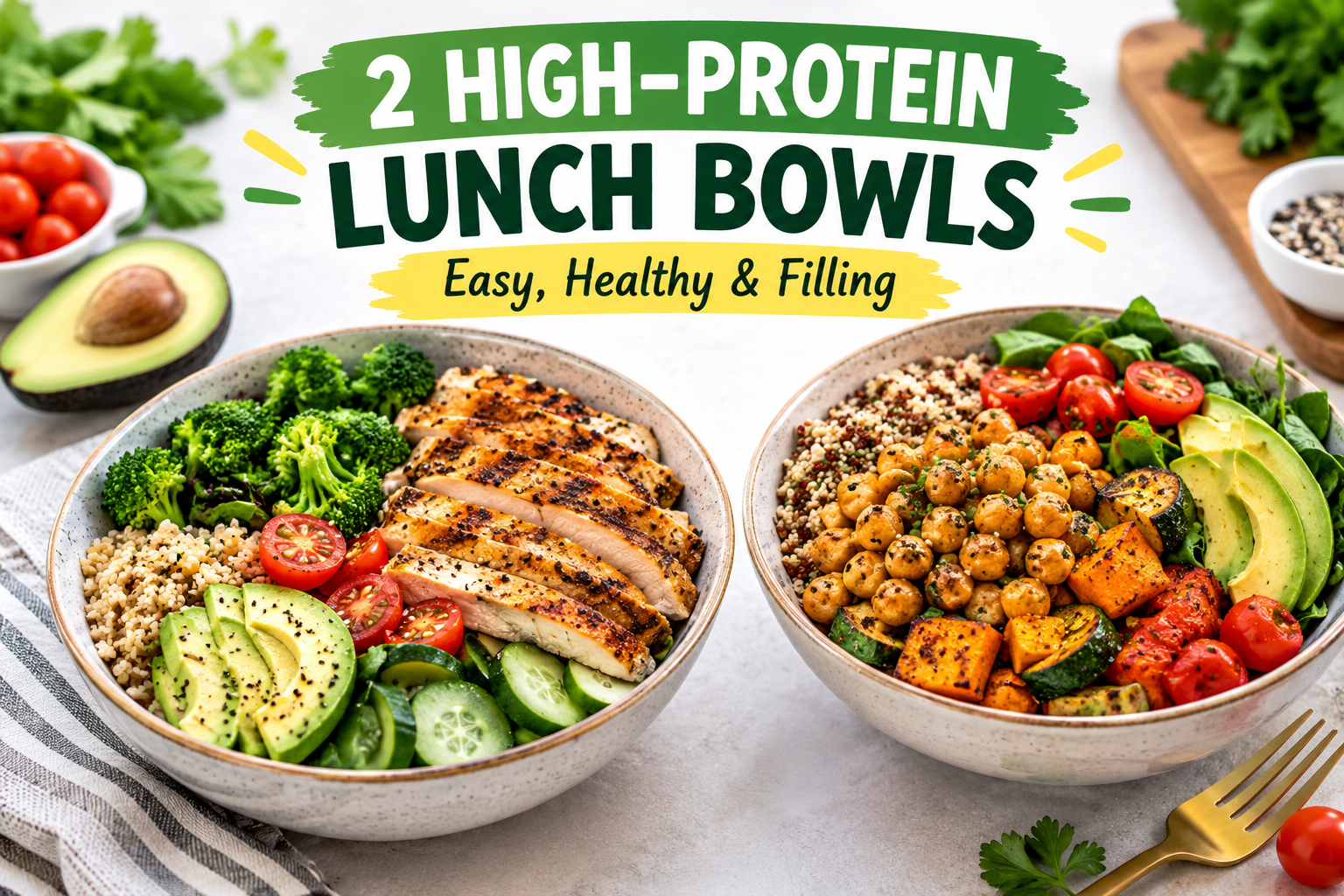
Discover 2 high-protein lunch bowls packed with lean protein, fresh veggies, fiber, and delicious flavors. Perfect for quick, healthy, and satisfying meal prep.
2 High-Protein Lunch Bowls You'll Want Every Day
If lunchtime often feels like a race against the clock, a high-protein lunch bowl can make your day much easier. Instead of grabbing a random snack, sandwich, or takeaway meal when hunger hits, you can build one bowl around protein, vegetables, fiber-rich carbohydrates, and a flavorful dressing. The result is a lunch that feels substantial without requiring hours in the kitchen. That balance is especially useful when you are trying to eat well while juggling work, family, errands, workouts, or a busy schedule. Current U.S. dietary guidance emphasizes meals built around nutrient-dense foods, including protein, vegetables, fruits, whole grains, and healthy fats, while encouraging people to reduce highly processed foods, added sugars, excess sodium, and unhealthy fats.
These two lunch bowls are designed with that practical idea in mind. The first combines lean ground turkey, lentils, quinoa, crunchy vegetables, and a lemon-herb dressing for a Mediterranean-inspired meal with plenty of texture. The second uses chicken, cottage cheese, brown rice, edamame, and fresh vegetables, creating a creamy, crunchy bowl that is surprisingly easy to assemble. Both recipes are suitable for busy weekdays and can be prepared ahead, making them useful when you want a nutritious lunch without starting from scratch every afternoon. The nutrition numbers below are estimates and can vary according to brands, ingredient sizes, and preparation methods, so use the nutrition label on your specific ingredients when precise tracking matters.
Why High-Protein Lunch Bowls Are So Satisfying
There is something wonderfully practical about a lunch bowl. Think of it as a blank canvas where every ingredient has a job: protein helps make the meal substantial, vegetables bring color and volume, whole grains or legumes provide carbohydrates and fiber, and a good dressing ties everything together. Current U.S. dietary guidance encourages people to prioritize whole, nutrient-dense foods and include protein foods such as poultry, seafood, eggs, beans, lentils, nuts, seeds, and soy foods. That makes bowls a natural format for putting several useful food groups together in one meal. Instead of thinking about lunch as one main item with a few sides, you can create a complete combination in a single container. This also makes bowls incredibly flexible. If you have leftover vegetables in the refrigerator, they can become tomorrow's lunch; if you have cooked grains from dinner, they can form the base; and if you have cooked chicken or turkey ready to go, the hardest part is already finished. The goal is not to create a complicated “perfect” bowl. It is to create a lunch that is delicious enough to look forward to and balanced enough to keep you satisfied through a busy afternoon.
What Makes a Lunch Bowl Balanced?
A balanced lunch bowl does not need an exotic ingredient list or a complicated nutrition formula. Start with a meaningful protein source, then add vegetables, a fiber-rich carbohydrate, a small amount of healthy fat, and a sauce or seasoning that makes the ingredients taste like they belong together. Protein options can include chicken, turkey, fish, eggs, lentils, beans, tofu, edamame, Greek yogurt, cottage cheese, or other protein-rich foods. USDA MyPlate guidance also recognizes seafood, lean meats and poultry, eggs, beans, peas, lentils, nuts, seeds, and soy foods as protein-food choices. Vegetables can be raw, roasted, steamed, sautéed, or grilled, so you can change the texture depending on your mood. For carbohydrates, quinoa, brown rice, barley, whole grains, beans, lentils, or sweet potatoes can add staying power without turning lunch into a plate of plain protein. A dressing made with olive oil, lemon juice, herbs, yogurt, tahini, or avocado can add richness and make simple ingredients much more exciting. When these components come together, the bowl feels complete rather than restrictive. That is important because a lunch you actually enjoy is far easier to repeat than one that feels like a chore.
How to Build a High-Protein Lunch Bowl
Building your own protein bowl becomes much easier once you stop treating recipes as strict rules. Use a simple formula: protein + vegetables + fiber-rich carbohydrate + healthy fat + flavorful sauce. You can change almost everything inside that framework. For example, chicken can become turkey, lentils can replace beans, quinoa can be swapped for brown rice, and a lemon dressing can become a yogurt-based sauce. The current Dietary Guidelines for Americans emphasize whole, nutrient-dense foods across protein foods, vegetables, fruits, healthy fats, whole grains, and dairy, which fits naturally with this bowl-building approach. The beauty is that you can also adjust the bowl to your schedule. On a day when you have ten minutes, use pre-cooked grains and leftover chicken. On a weekend, cook several components from scratch and portion them into containers. You can even keep sauces separate until lunchtime so the vegetables stay crisp. Once you have the basic structure, lunch stops being a daily puzzle. Instead, you are simply assembling a combination from ingredients you already have. That small change can make healthy eating feel less like another task on your to-do list and more like a convenient routine.
Choose a Protein First
Protein is the anchor of a high-protein lunch bowl, so start there instead of adding it as an afterthought. For these recipes, turkey, chicken, lentils, cottage cheese, and edamame provide several different ways to increase protein while keeping the bowls interesting. You do not have to rely on protein powder or specialty products to create a protein-focused lunch; whole foods can do the job beautifully. Recent nutrition coverage has highlighted foods such as cottage cheese, tofu, Greek-style yogurt, lentils, and kefir as convenient whole-food protein options, with lentils also contributing substantial fiber. The best choice depends on what you enjoy and what fits your dietary needs. If you prefer meat, chicken and turkey are easy options for meal prep. If you want more plant-based variety, lentils, beans, tofu, and edamame can become the centerpiece. Dairy foods such as cottage cheese or Greek yogurt can also work particularly well in creamy sauces and bowls. Once your protein is chosen, build around it rather than trying to make every ingredient “high protein.” That approach keeps the meal balanced and flavorful instead of turning lunch into a pile of protein-rich ingredients that lack texture, freshness, or variety.
Add Fiber-Rich Carbs and Vegetables
Protein may be the star of the bowl, but vegetables and fiber-rich carbohydrates are what make it feel like a real meal. Brown rice, quinoa, lentils, beans, sweet potatoes, and whole grains can provide carbohydrates alongside fiber and other nutrients, while vegetables add volume, color, crunch, and freshness. USDA guidance recommends varying vegetables and making at least half of your grains whole grains, which is an easy principle to apply when preparing bowls at home. You can choose vegetables based on what is affordable and available rather than buying a long list of specialty produce. Cucumbers, tomatoes, carrots, cabbage, spinach, peppers, broccoli, and frozen vegetables are all useful building blocks. The combination of textures matters too. A bowl with soft grains and protein becomes much more appealing when you add something crisp such as cucumber or cabbage. Likewise, a creamy dressing can be balanced by crunchy seeds or fresh herbs. Instead of asking, “What is the healthiest ingredient I can add?” ask, “What will make this bowl taste and feel better?” That question naturally leads to more varied meals, because you begin considering color, crunch, acidity, freshness, and satisfaction alongside nutrition.
Bowl #1: Lemon Herb Turkey and Lentil Bowl
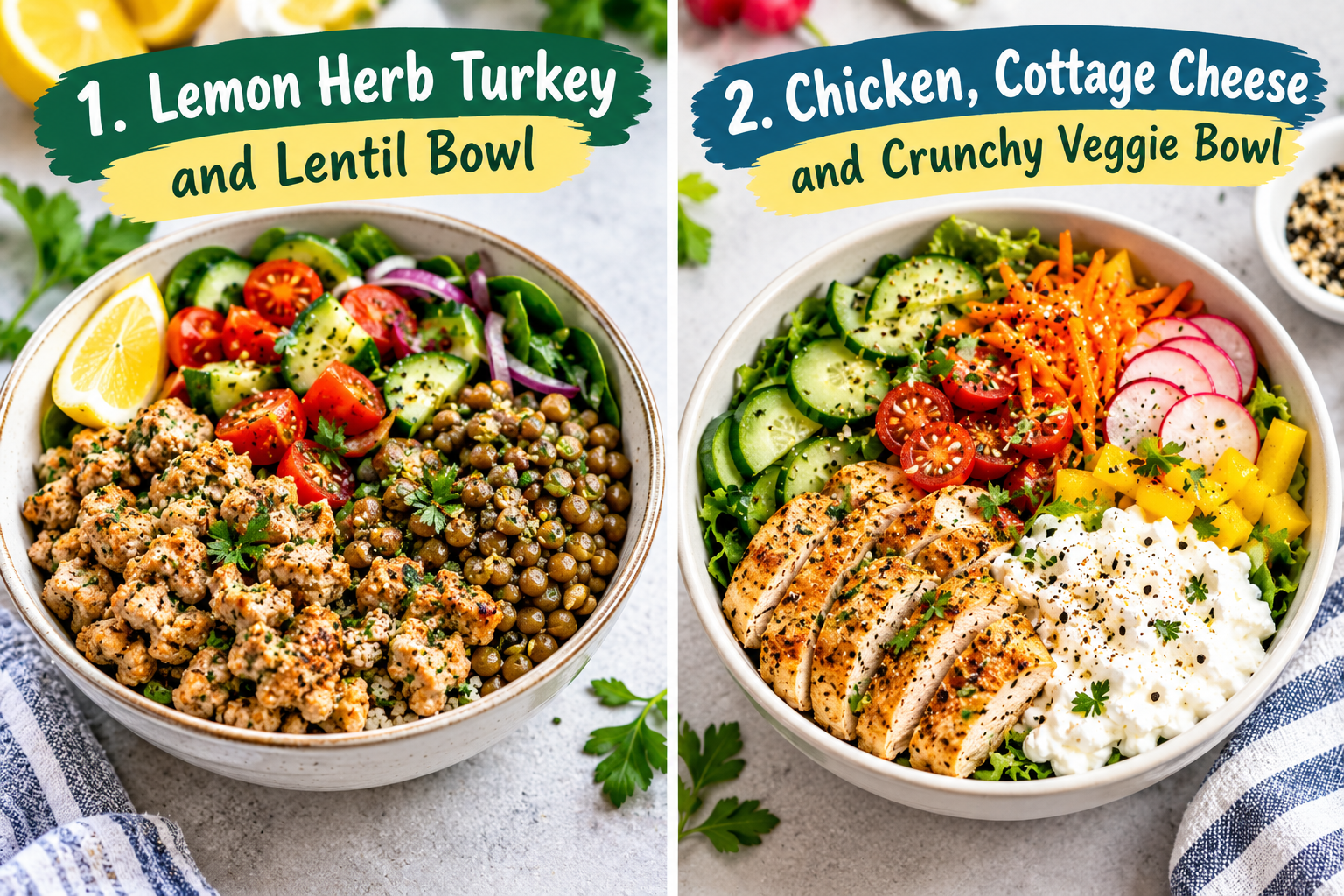
The Lemon Herb Turkey and Lentil Bowl is a fresh, savory lunch built for people who want something filling without relying on a heavy sauce. Ground turkey provides the main protein, while lentils add plant-based protein and fiber. Quinoa gives the bowl a fluffy, slightly nutty base, and cucumber, tomato, spinach, and red onion provide fresh contrast. The lemon-herb dressing brings everything together with a bright flavor that makes the bowl taste much more exciting than a typical meal-prep container. This combination also reflects a broader healthy-eating pattern that emphasizes vegetables, protein foods, whole grains, and other nutrient-dense ingredients. It is especially useful for busy weekdays because the turkey, lentils, and quinoa can be cooked ahead and refrigerated. Then, when lunch arrives, you only need to assemble the bowl and add the dressing. The recipe makes four servings, so you can prepare several lunches in one cooking session. Estimated nutrition per serving is approximately 515 calories, 42g protein, 51g carbohydrates, 16g fat, and 12g fiber, although actual values vary by ingredients and brands.
Ingredients You’ll Need
For four servings, gather 1 pound lean ground turkey, 1 cup cooked lentils, 2 cups cooked quinoa, 2 cups baby spinach, 1 large cucumber diced, 1 cup cherry tomatoes halved, 1/4 red onion thinly sliced, and 1/4 cup chopped fresh parsley. For the lemon-herb dressing, combine 3 tablespoons extra-virgin olive oil, 2 tablespoons fresh lemon juice, 1 teaspoon Dijon mustard, 1 small garlic clove minced, 1 teaspoon dried oregano, 1/4 teaspoon black pepper, and a small pinch of salt. The ingredient list is intentionally straightforward because the recipe is supposed to work as an everyday lunch rather than a once-a-month cooking project. If you have leftover quinoa or lentils from another meal, use them and cut down your preparation time even further. You can also choose reduced-sodium canned lentils if you do not have cooked lentils ready, but drain and rinse them first. The vegetables can be changed according to what you already have, although cucumber and tomato provide a particularly refreshing contrast to the warm turkey. The dressing can be mixed several days ahead and stored separately. Because the recipe combines animal and plant protein, it also gives you more than one source of protein and fiber in the same bowl.
How to Make the Turkey and Lentil Bowl
Start by cooking the ground turkey in a large skillet over medium heat, breaking it apart with a wooden spoon as it cooks. Season it with oregano, black pepper, and a small amount of salt, and continue cooking until the turkey is thoroughly cooked with no raw pink areas remaining. While the turkey cooks, prepare the lemon dressing by whisking the olive oil, lemon juice, Dijon mustard, garlic, oregano, pepper, and salt in a small bowl or jar. Next, divide the cooked quinoa among four lunch containers or bowls, then layer in the lentils, spinach, cucumber, tomatoes, red onion, and cooked turkey. You can arrange the ingredients in separate sections for a meal-prep look or mix everything together for a more casual lunch. Keep the dressing in a small separate container if you are preparing the bowls in advance. When you are ready to eat, drizzle the dressing over the top and toss gently. The lemon juice cuts through the richness of the turkey and olive oil, while the vegetables provide crunch and freshness. If you are eating the bowl immediately, you can serve the quinoa and turkey warm with the cool vegetables on top. If you are packing it for work, allow the cooked components to cool before sealing the container and refrigerating it.
Easy Meal-Prep Tips
The easiest way to make this bowl part of your regular lunch routine is to cook the components in batches rather than preparing the entire recipe from scratch every morning. Cook the quinoa and lentils ahead, brown the turkey, chop the vegetables, and mix the dressing separately. Store the components in airtight containers and assemble each lunch when needed. Keeping the dressing separate is particularly useful because it prevents the spinach, cucumber, and tomatoes from becoming overly soft. If you want a different texture later in the week, add fresh cucumber or tomatoes just before eating. The bowl can also be adjusted with seasonal vegetables without changing its basic structure. For example, roasted peppers or shredded carrots can replace some of the cucumber or tomato. The most important meal-prep rule is simple: do not overcomplicate the process. A meal that takes slightly longer to prepare but gives you four convenient lunches can be more practical than a “quick” recipe that you have to cook every single day. The goal is to make future lunches easier, not to create another elaborate weekend project.
Bowl #2: Chicken, Cottage Cheese and Crunchy Veggie Bowl
The Chicken, Cottage Cheese and Crunchy Veggie Bowl takes a different route by combining warm chicken and brown rice with creamy cottage cheese, edamame, cucumber, carrots, cabbage, and a tangy yogurt-style dressing. Cottage cheese is especially useful here because it adds creaminess while also contributing protein; recent nutrition reporting has highlighted cottage cheese as a protein-rich whole food that can be used in convenient meals. Edamame adds another plant-based protein source, while the vegetables bring freshness and crunch. The combination may sound unusual if you have never put cottage cheese into a savory bowl, but it works surprisingly well when paired with a punchy dressing. This is the kind of recipe that can become a weekday favorite because the ingredients are familiar, the preparation is straightforward, and the finished bowl does not feel like “diet food.” Estimated nutrition per serving is approximately 540 calories, 48g protein, 49g carbohydrates, 17g fat, and 9g fiber. As with all homemade nutrition estimates, exact values depend on the brands and quantities you use. The recipe makes four servings and is particularly convenient if you have leftover cooked chicken from dinner.
Ingredients You’ll Need
For four servings, use 1 pound cooked boneless, skinless chicken breast sliced or chopped, 2 cups cooked brown rice, 1 cup shelled edamame, 1 cup low-fat cottage cheese, 1 large cucumber diced, 1 cup shredded carrots, 2 cups finely shredded cabbage, and 2 tablespoons chopped green onions. For the dressing, mix 1/2 cup plain Greek yogurt, 1 tablespoon fresh lemon juice, 1 tablespoon water, 1 teaspoon Dijon mustard, 1/2 teaspoon garlic powder, 1/2 teaspoon dried dill, and black pepper to taste. You can add a little more water if the dressing needs to be thinner. The combination gives you several textures in one bowl: tender chicken, chewy brown rice, creamy cottage cheese, crisp cucumber, crunchy cabbage, and sweet shredded carrots. If you want more heat, a small amount of chili flakes or hot sauce can be stirred into the dressing. The key is to keep the sauce flavorful enough that the relatively simple ingredients feel exciting. This recipe also works well with leftover roasted chicken, making it an efficient way to turn yesterday's dinner into today's lunch. USDA guidance encourages varying protein foods, including poultry and soy foods, so pairing chicken with edamame is also an easy way to diversify the protein sources in your meal.
How to Make the Chicken Cottage Cheese Bowl
Begin by preparing your brown rice and edamame if they are not already cooked. While those ingredients are cooling slightly, whisk the Greek yogurt, lemon juice, water, Dijon mustard, garlic powder, dill, and black pepper until smooth. Divide the brown rice between four bowls, then add the cooked chicken and edamame. Arrange the cottage cheese on one side and add the cucumber, shredded carrots, cabbage, and green onions around the bowl. Drizzle with the yogurt dressing immediately before eating, or store the dressing separately for meal prep. You can serve the chicken warm or chilled depending on your preference. If you like a contrast between warm and cool ingredients, warm the chicken and rice while keeping the vegetables, cottage cheese, and dressing cold. That temperature contrast makes the bowl more interesting without requiring additional cooking. For an especially quick lunch, use pre-cooked brown rice and leftover chicken, which can reduce the active preparation to chopping and assembly. The finished bowl should be creamy, crunchy, savory, fresh, and satisfying all at once. If your first bite feels too mild, add lemon juice, black pepper, herbs, or a little hot sauce rather than automatically adding more salt.
Easy Meal-Prep Tips
Meal prepping this bowl works best when you keep the wet and dry components separate until lunchtime. Cook the chicken, brown rice, and edamame in advance, then portion them into containers. Keep the cabbage, cucumber, and carrots in another section if your containers have compartments, or place the vegetables on top after the cooked ingredients have cooled. Store the cottage cheese and dressing separately if you prefer maximum freshness. When lunch arrives, assemble everything and stir it together just before eating. You can also prepare a large batch of dressing and keep it refrigerated for several lunches, which saves time during the week. If you know you have a particularly hectic morning coming up, assemble the bowl the night before but leave the dressing in its own small container. This recipe is also easy to personalize without changing its basic identity. You could use leftover grilled chicken instead of freshly cooked chicken, or change the vegetables according to what is available. The goal is to create a dependable lunch template rather than a recipe that requires perfect adherence every time. When meal prep becomes flexible, it becomes much easier to maintain.
How Much Protein Should Lunch Have?
There is no universal protein number that every person needs at lunch because protein requirements vary with body size, age, activity level, overall diet, and individual circumstances. Instead of treating one number as a magic target, think about the entire day's intake and whether your meals consistently include meaningful protein sources. The Dietary Reference Intakes provide different nutrient reference values for different purposes, and protein needs should be considered in that broader context rather than reduced to one rigid lunch rule. For a practical recipe-focused approach, these bowls are designed to provide a substantial amount of protein without depending on supplements. The turkey and lentil bowl offers roughly 42 grams per serving, while the chicken and cottage cheese bowl provides about 48 grams per serving based on the ingredient quantities listed. Those amounts are estimates, not personal nutrition prescriptions. If you have specific protein requirements because of a medical condition, pregnancy, athletic training, or another personal consideration, it is best to follow individualized guidance from a qualified healthcare professional. For most home cooks, the useful takeaway is simpler: include a clear protein source at lunch, then build the rest of the bowl around vegetables, fiber-rich carbohydrates, and satisfying flavors. That approach is much easier to follow than obsessing over a single number.
Best High-Protein Ingredients for Lunch Bowls
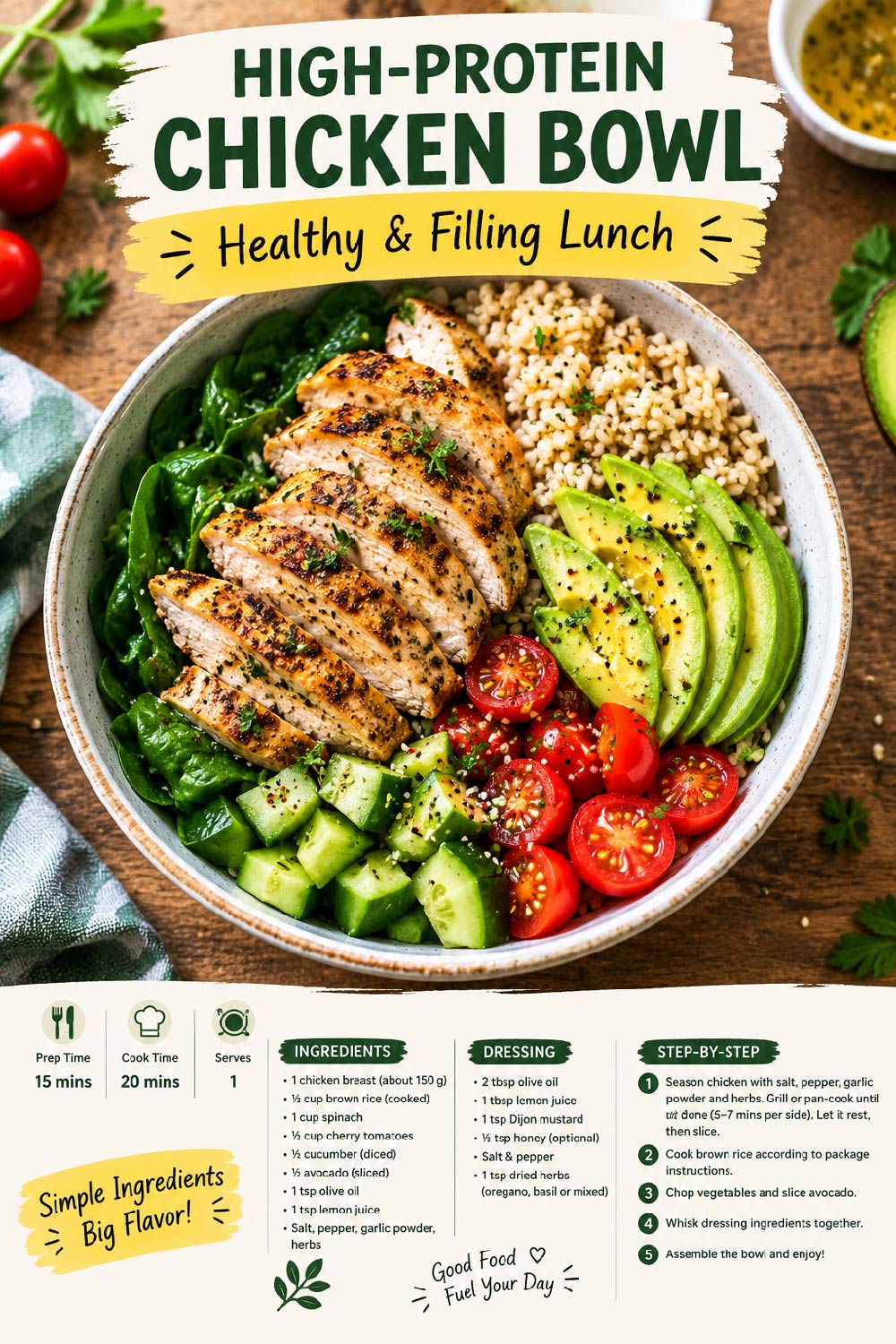
A well-stocked kitchen makes high-protein lunches much easier. Chicken breast, lean ground turkey, salmon, tuna, shrimp, eggs, Greek yogurt, cottage cheese, lentils, beans, tofu, tempeh, and edamame can all serve as useful building blocks. Some ingredients provide protein alongside fiber, such as lentils, beans, and edamame, while dairy foods such as cottage cheese and Greek yogurt can add protein with a creamy texture. Current nutrition guidance recognizes both animal and plant-based foods as protein sources, including poultry, seafood, eggs, beans, peas, lentils, nuts, seeds, and soy foods. Having a mixture of these foods available prevents your lunches from becoming repetitive. You do not need to buy every option at once. Pick two or three proteins for the week, one or two grains, several vegetables, and one versatile dressing. For example, cooked chicken can appear in one bowl with brown rice and vegetables, while lentils can become the protein component of a Mediterranean-style bowl. Cottage cheese can work as a creamy side or topping, and Greek yogurt can become a sauce. The trick is to think in components rather than recipes. Once you have several ready-to-use ingredients, you can combine them differently throughout the week and avoid the feeling that you are eating the exact same lunch every day.
How to Keep Protein Bowls Flavorful
A high-protein bowl should never taste like a punishment for trying to eat well. Flavor comes from contrast, and the easiest way to create contrast is to combine acid, herbs, spices, texture, and a creamy or savory element. Lemon juice can brighten a bowl that feels heavy, vinegar can sharpen a mild dressing, herbs can make simple chicken taste fresher, and spices can transform grains and vegetables without requiring complicated sauces. Texture is equally important. Soft rice, lentils, or chicken become far more enjoyable when paired with crunchy cabbage, cucumber, carrots, seeds, or nuts. USDA guidance recommends choosing nutrient-dense foods and limiting excess sodium, added sugars, and unhealthy fats, so homemade dressings are useful because you can control what goes into them. You also do not need to drown the bowl in dressing to make it flavorful. A small amount of a strong sauce can go a long way. Try lemon-Dijon, yogurt-dill, tahini-lemon, salsa, or a simple olive oil and herb dressing. Another easy trick is seasoning each component rather than expecting the final sauce to do all the work. A little black pepper and oregano on turkey, lemon on vegetables, and herbs in the dressing can create layers of flavor. That is what turns a collection of healthy ingredients into a lunch you genuinely want to eat again tomorrow.
Common Mistakes When Making Protein Bowls
One common mistake is building a bowl that contains plenty of protein but almost nothing else. A container filled with chicken may technically be protein-rich, but it can become monotonous and may not provide the variety of foods you want from a balanced meal. Another mistake is using too much dressing, cheese, oil, or other calorie-dense toppings because the base ingredients feel bland. The answer is not to remove all flavorful ingredients; it is to make them work efficiently by using herbs, citrus, spices, vinegar, mustard, and small amounts of healthy fats. A third problem is forgetting texture. If everything in your bowl is soft, the meal can quickly become boring, especially after several days of meal prep. Adding crisp vegetables, seeds, fresh herbs, or crunchy cabbage can make a huge difference. It is also easy to underestimate sodium in sauces, packaged foods, and heavily seasoned ingredients. Current U.S. dietary guidance encourages limiting excess sodium and highly processed foods while prioritizing nutrient-dense foods. Finally, do not make meal prep so complicated that you stop doing it. A perfect bowl that requires fifteen ingredients and several hours of cooking is not necessarily better than a simple bowl you can prepare consistently. Sustainable healthy eating is often about making the good choice the convenient choice.
How to Store and Meal Prep Lunch Bowls
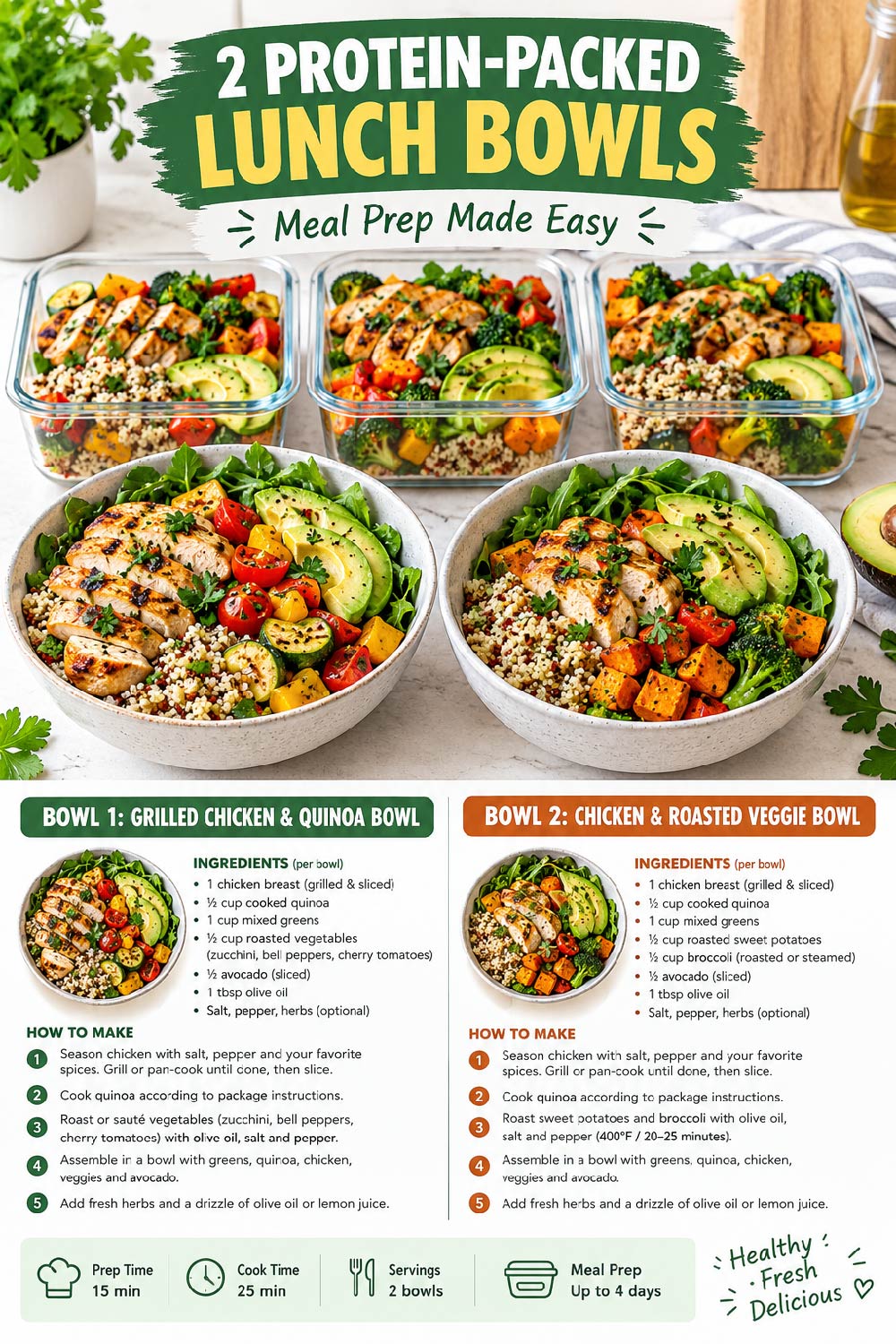
Good storage can make the difference between a lunch that tastes fresh and one that feels like leftovers from three days ago. Cooked grains, poultry, lentils, and vegetables should be cooled appropriately and stored in clean, airtight containers according to safe food-handling practices. For the best texture, keep dressings separate until you are ready to eat, especially when the bowl contains delicate greens, cucumber, or crunchy vegetables. You can prepare the protein and grains in larger batches, then portion them into individual containers so lunch is essentially ready to grab from the refrigerator. Fresh vegetables can be chopped ahead, but some are better added closer to serving time. Cucumber, for example, can release water, while cabbage tends to hold its crunch better. If you are preparing several lunches at once, label containers with the date so older portions are used first. You can also keep ingredients separate in the refrigerator and assemble each bowl in the morning if that gives you better texture. Meal prep should reduce stress, not create it. The ideal system is one that fits your routine. If cooking on Sunday works for you, prepare several components then. If your schedule changes frequently, cook enough for two or three lunches rather than forcing yourself into a rigid weekly plan. The best high-protein lunch is ultimately the one that is ready when you are hungry.
Conclusion
These 2 high-protein lunch bowls prove that nutritious weekday meals do not have to be complicated, bland, or time-consuming. The Lemon Herb Turkey and Lentil Bowl combines lean turkey, lentils, quinoa, and colorful vegetables with a bright lemon dressing, while the Chicken, Cottage Cheese and Crunchy Veggie Bowl uses chicken, brown rice, edamame, cottage cheese, and fresh vegetables for a creamy and crunchy combination. Both recipes provide a substantial amount of protein while also including vegetables and fiber-rich ingredients, fitting comfortably into the broader principle of building meals around nutrient-dense foods. Current U.S. dietary guidance specifically emphasizes protein foods, vegetables, whole grains, healthy fats, fruits, and other minimally processed, nutrient-dense foods as part of healthy eating patterns. The real secret is not eating one “perfect” lunch every day. It is having a handful of reliable formulas that make healthy eating easier when life gets busy. Prepare your protein, cook a grain or legume, chop a few vegetables, make one flavorful dressing, and you have the foundation for several satisfying lunches. Once you discover combinations you love, lunch becomes less of a daily decision and more of a routine you can actually enjoy.
FAQs
1. What makes a lunch bowl high in protein?
A lunch bowl becomes high in protein when it includes a substantial serving of protein-rich food as one of its main components. Chicken, turkey, seafood, eggs, lentils, beans, tofu, edamame, cottage cheese, and Greek yogurt are all useful choices. You can also combine more than one protein source, as these recipes do with turkey and lentils or chicken, cottage cheese, and edamame. USDA nutrition guidance recognizes both animal-based and plant-based foods as protein-food options. The exact amount of protein you should eat depends on your individual needs, so the recipes should be treated as general meal ideas rather than personalized dietary prescriptions.
2. Can I make high-protein lunch bowls ahead of time?
Yes. Lunch bowls are excellent for meal prep because many of their components can be cooked and portioned in advance. Cook the protein and grains, prepare the vegetables, and store the dressing separately to preserve freshness and texture. For the best result, add delicate vegetables and sauces shortly before eating. Both bowls in this article are designed to make several servings, so you can prepare multiple lunches during one cooking session. If you prefer freshly assembled meals, keep the ingredients separate in the refrigerator and build your bowl in just a few minutes each morning.
3. Are these high-protein bowls good for weight loss?
They can fit into many different eating patterns, including a calorie-conscious diet, because they emphasize protein, vegetables, and fiber-rich ingredients. However, no single recipe automatically causes weight loss. Total calorie intake, food choices across the entire day, physical activity, sleep, and individual circumstances all matter. Portion sizes also affect the calorie content of a bowl, so someone with different energy needs may adjust the amount of rice, quinoa, dressing, or other ingredients. If you are following a specific weight-management plan, use the recipes as a starting point and adjust portions according to your individual nutritional needs.
4. How can I make these lunch bowls vegetarian?
The first bowl can be made vegetarian by replacing the turkey with an additional serving of lentils, chickpeas, tofu, or another plant-based protein. For the second bowl, replace the chicken with extra edamame, tofu, beans, or another protein-rich plant food and keep the cottage cheese if dairy fits your diet. If you want a completely plant-based version, use a suitable dairy-free alternative in place of cottage cheese and Greek yogurt. USDA guidance includes beans, peas, lentils, nuts, seeds, and soy foods among protein-food choices, giving you plenty of options for building a satisfying meat-free bowl.
5. What is the easiest way to make high-protein lunch bowls for busy weekdays?
The easiest strategy is batch cooking instead of daily cooking. Pick one or two proteins, one grain or legume, several vegetables, and one dressing at the beginning of the week. Cook the components in larger quantities, portion them into containers, and keep wet ingredients separate until serving. You can then create different combinations from the same ingredients instead of preparing an entirely new recipe every day. This approach saves time and makes it easier to keep nutritious food available when your schedule becomes hectic. The more convenient your healthy lunch is, the less tempting it becomes to skip it or rely on last-minute takeaway food.
Comments
0No comments yet — be the first to share your thoughts!