15 High-Protein Cottage Cheese Meals | Easy Healthy Recipes
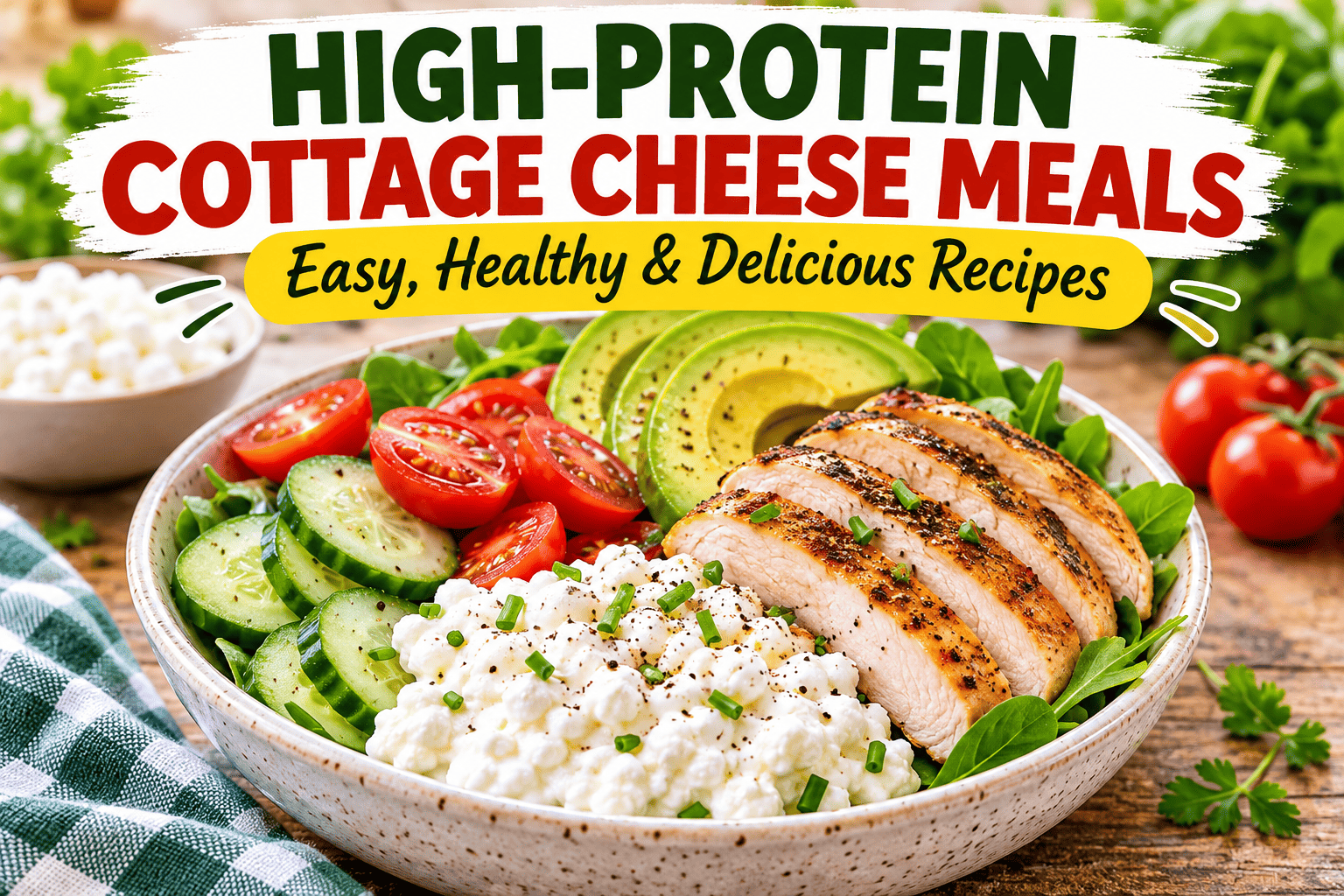
Discover 15 easy high-protein cottage cheese meals for breakfast, lunch, dinner, and snacks. Quick, healthy recipes perfect for busy days and meal prep.
Why Cottage Cheese Is a Great High-Protein Ingredient
If you are trying to eat more protein without making every meal feel like a bodybuilding meal, cottage cheese is one of the easiest ingredients to keep in your refrigerator. It has a mild flavor, creamy texture and enough versatility to work in breakfast bowls, wraps, pasta, salads, toast and even smoothies. A 100-gram serving of low-fat 2% cottage cheese provides roughly 11 grams of protein, along with calcium, phosphorus, selenium and vitamin B12. That combination makes cottage cheese particularly useful for people who want convenient, protein-rich meals without relying on protein powder for everything.
The real advantage is not simply the protein number. Cottage cheese contains casein protein, which is digested relatively slowly, and its protein content can make meals more satisfying. It also has a soft texture that makes it surprisingly easy to blend into sauces, pancake batter and smoothies. Recent nutrition guidance continues to highlight protein-rich dairy as a practical part of balanced eating patterns, while experts also point out that sodium and fat can vary considerably between products. So instead of treating cottage cheese as a trendy “superfood,” think of it as a flexible building block. Pair it with vegetables, fruit, whole grains, eggs, chicken, fish or beans, and suddenly one simple tub can become several different meals.
Cottage Cheese Nutrition at a Glance
Cottage cheese is popular partly because it delivers a meaningful amount of protein without requiring a huge serving. According to USDA-based nutrition data cited by Cleveland Clinic, 100 grams of low-fat 2% cottage cheese contains approximately 84 calories, 11 grams of protein, 4.3 grams of carbohydrates and 2.3 grams of fat. It also supplies calcium, phosphorus, potassium and selenium. A half-cup serving can provide around 12–14 grams of protein depending on the product and fat level, although checking the package label is important because nutrition varies between brands.
Nutrient Approx. per 100g low-fat cottage cheese
Calories 84
Protein 11g
Carbohydrates 4.3g
Fat 2.3g
Fiber 0g
Calcium 100+ mg
Sodium About 321mg
The biggest thing to remember is that cottage cheese is not a complete meal by itself. It is high in protein, but it contains little to no fiber, so combining it with vegetables, berries, oats, whole-grain bread, beans or seeds creates a more balanced plate. Sodium is another consideration because some traditional cottage cheese products can be relatively high in salt. Penn State Extension notes that many regular varieties can contain substantial sodium, making reduced-sodium options useful for people who need to monitor their intake.
How to Choose the Best Cottage Cheese
Walking through the dairy aisle can make a simple decision surprisingly complicated. You may see full-fat, 2%, low-fat, fat-free, whipped, lactose-free, reduced-sodium and flavored options sitting side by side. For high-protein cottage cheese meals, plain varieties are usually the most flexible because you can control the sweetness, salt and other ingredients yourself. Health experts also recommend checking protein, sodium, added sugar and ingredient lists rather than choosing a product based only on its fat percentage.
Low-Fat vs. Full-Fat Cottage Cheese
There is no single cottage cheese that is perfect for everyone. Low-fat versions can be useful when you want more protein with fewer calories, while full-fat cottage cheese can provide a richer texture and flavor. Your best choice depends on the rest of your meal and your individual nutritional goals. If you are making a creamy pasta sauce, full-fat cottage cheese may produce a richer result, whereas low-fat cottage cheese can work beautifully in a breakfast bowl or smoothie.
Also pay attention to sodium and added sugar. Plain cottage cheese is generally the better choice for savory and sweet recipes because you can add your own ingredients. If you buy flavored cottage cheese, read the nutrition label carefully because sweetened varieties may contain added sugar.
15 High-Protein Cottage Cheese Meals
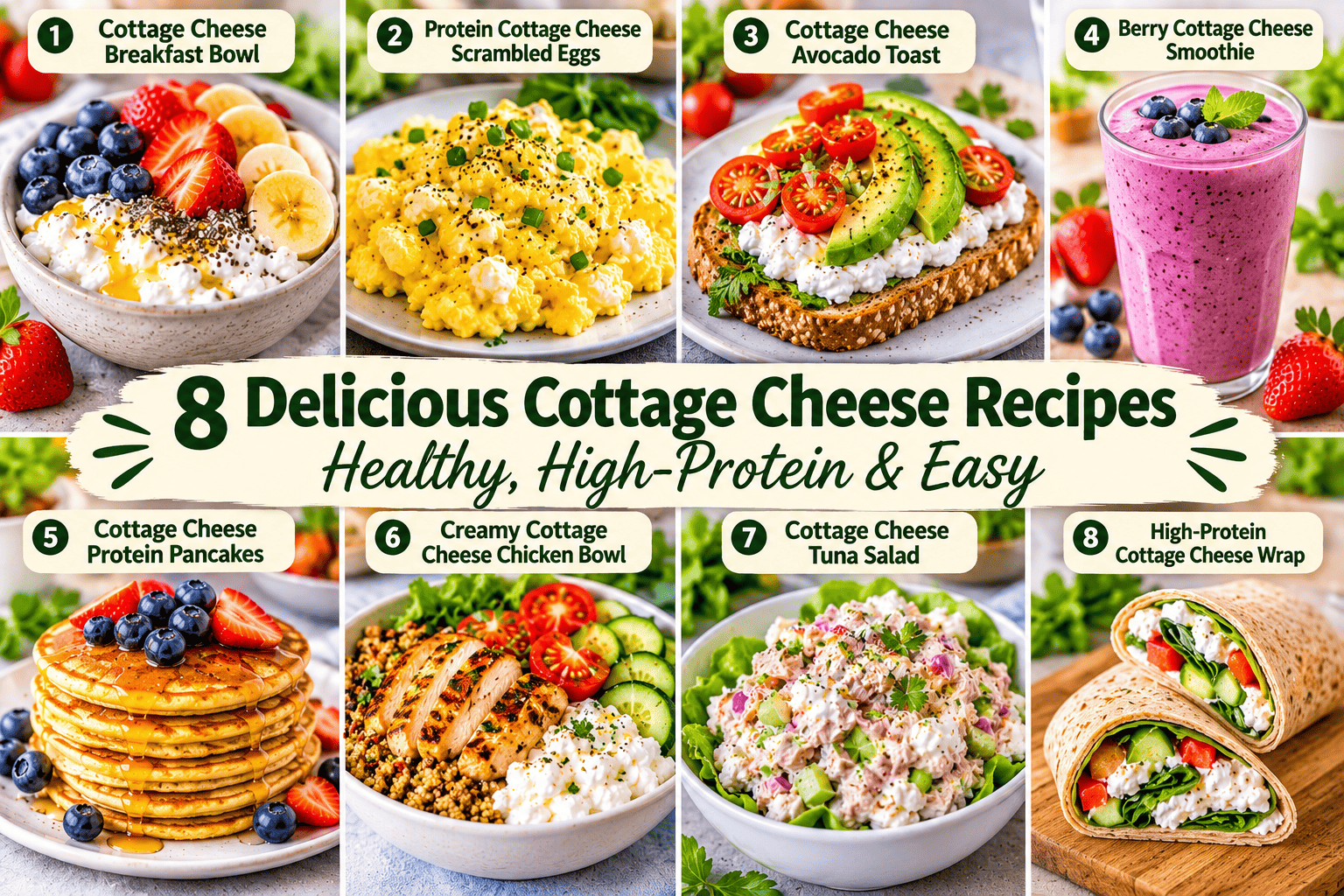
1. Cottage Cheese Breakfast Bowl
A cottage cheese breakfast bowl is probably one of the fastest ways to start using this ingredient. Add about ¾ cup cottage cheese to a bowl, then top it with berries, sliced banana, chia seeds, chopped walnuts and a small drizzle of honey. The creamy cottage cheese provides protein while fruit contributes natural sweetness and fiber, and chia seeds and walnuts add texture and healthy fats. If you prefer a less sweet breakfast, skip the honey and add cinnamon instead.
This meal takes only a few minutes, which makes it especially useful for busy mornings. You can prepare the ingredients the night before and assemble everything when you wake up. For extra protein, mix in Greek yogurt or a spoonful of nut butter. For extra fiber, add rolled oats or ground flaxseed. The result is a breakfast that feels more like a satisfying parfait than a “healthy diet meal.”
2. Protein Cottage Cheese Scrambled Eggs
Want to make ordinary scrambled eggs more filling? Whisk two eggs with ¼ to ½ cup cottage cheese and cook them gently in a nonstick pan. The cottage cheese melts into the eggs, creating a creamy texture while increasing the protein content of the meal. Add spinach, mushrooms, tomatoes, peppers or chopped herbs for extra vegetables and flavor.
This is one of those recipes that demonstrates why cottage cheese has become so popular in high-protein cooking. You do not have to eat it straight from the container. Instead, it can disappear into another recipe while improving its texture and nutrition. Serve the eggs with whole-grain toast and fresh fruit for a balanced breakfast that can be ready in about 10 minutes.
3. Cottage Cheese Avocado Toast
Avocado toast becomes much more substantial when you add cottage cheese. Start with one slice of whole-grain toast and spread a generous layer of cottage cheese over the top. Add mashed avocado, black pepper, chili flakes and a squeeze of lemon juice. You can finish it with a poached egg for another protein boost.
The creamy avocado and cottage cheese work particularly well together because they provide contrasting textures while keeping the toast moist. Whole-grain bread adds carbohydrates and fiber, making the meal more satisfying than toast alone. If you want a Mediterranean-style version, add cherry tomatoes, cucumber, parsley and a little oregano. For a spicy variation, try sliced jalapeño and chili flakes.
4. Berry Cottage Cheese Smoothie
Cottage cheese can turn an ordinary fruit smoothie into a high-protein smoothie without requiring a large scoop of protein powder. Blend cottage cheese with frozen berries, banana, milk and cinnamon until smooth. If you want additional fiber, add chia seeds, ground flaxseed or a handful of spinach. The cottage cheese creates a creamy consistency that works particularly well with berries.
Do not worry if you dislike the curds. A high-powered blender can break them down almost completely, leaving you with a smooth drink. You can adjust the consistency with extra milk or water depending on your preference. For a chocolate version, blend cottage cheese with banana, unsweetened cocoa powder, milk and a small amount of peanut butter.
5. Cottage Cheese Protein Pancakes
Pancakes do not have to be a low-protein breakfast. Blend cottage cheese with eggs, oats, cinnamon and a little baking powder to create a simple protein pancake batter. Cook small pancakes on a lightly greased skillet until golden on both sides, then serve them with berries and Greek yogurt.
Cottage cheese adds moisture as well as protein, which helps keep the pancakes soft. You can make the batter in a blender, meaning there is no need to mix several bowls of dry and wet ingredients separately. For a more indulgent weekend breakfast, add blueberries or dark chocolate chips. For a lower-sugar weekday version, serve the pancakes with fresh berries and cinnamon rather than syrup.
6. Creamy Cottage Cheese Chicken Bowl
For a quick lunch or dinner, combine grilled chicken with cottage cheese, cooked quinoa, cucumber, tomatoes and leafy greens. Add lemon juice, black pepper and fresh herbs for a bright dressing. The chicken and cottage cheese create a protein-rich base while quinoa and vegetables provide carbohydrates, fiber and micronutrients.
This is also an excellent meal-prep lunch because the components can be cooked separately and assembled throughout the week. Keep the dressing in a separate container if you prefer crisp vegetables. You can change the flavor profile easily by using Mexican-style spices one day and Mediterranean herbs the next. The basic formula stays the same: protein + whole grain + vegetables + flavorful sauce.
7. Cottage Cheese Tuna Salad
Tuna salad traditionally relies heavily on mayonnaise, but cottage cheese provides another way to create a creamy texture. Mix canned tuna with cottage cheese, Dijon mustard, celery, cucumber, black pepper and lemon juice. Serve it on whole-grain toast, in a lettuce wrap or alongside a simple salad.
The combination is particularly useful when you want a quick high-protein lunch without spending much time cooking. Tuna supplies protein while cottage cheese adds additional protein and creaminess. If you enjoy stronger flavors, add chopped pickles, capers or fresh dill. You can also add mashed avocado for a richer version.
8. High-Protein Cottage Cheese Wrap
Spread cottage cheese over a whole-grain tortilla, then add sliced turkey or chicken, spinach, cucumber, tomato and shredded carrots. Roll everything tightly and cut the wrap in half. A little mustard or hummus can add extra flavor without overwhelming the cottage cheese.
This is a practical option for work lunches because it travels well when packed correctly. You can prepare several filling components in advance and assemble the wrap when needed. For a vegetarian version, replace the turkey with roasted chickpeas, black beans or sliced boiled eggs. The result is a flexible meal that can be adapted to whatever ingredients you already have.
9. Creamy Cottage Cheese Pasta
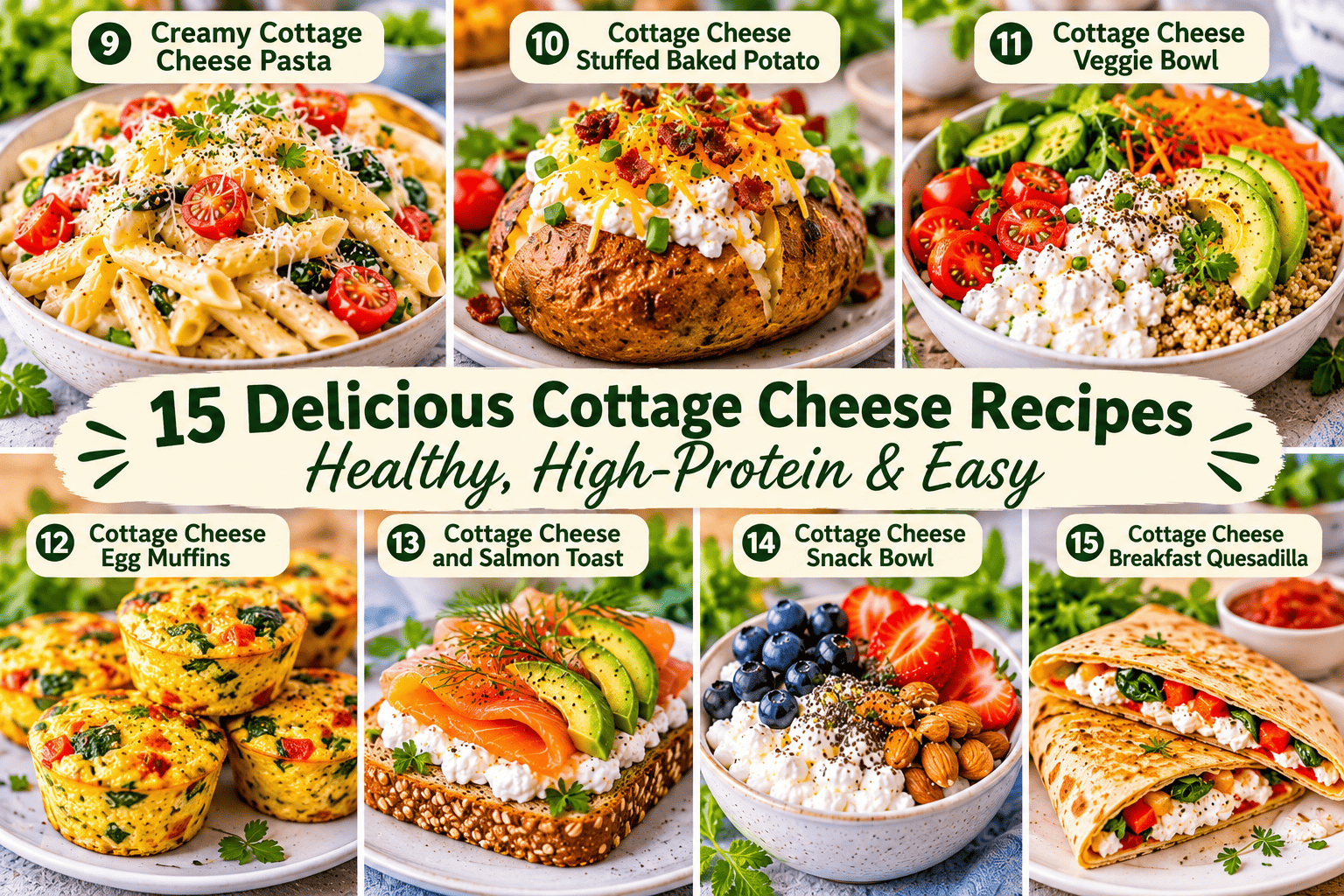
If creamy pasta is one of your favorite comfort foods, cottage cheese can help create a protein-rich sauce. Blend cottage cheese with garlic, Parmesan, black pepper and a small amount of pasta water until smooth. Toss the sauce with cooked whole-wheat pasta and add spinach, peas, broccoli or grilled chicken.
The trick is to blend the cottage cheese thoroughly so the sauce becomes silky rather than lumpy. Warm it gently with the pasta instead of boiling it aggressively. You can also add roasted tomatoes, basil and chili flakes for a fresh Italian-inspired version. It is a smart way to transform a simple pasta dinner into a more balanced meal without relying entirely on heavy cream.
10. Cottage Cheese Stuffed Baked Potato
A baked potato can become a surprisingly satisfying high-protein meal when topped with cottage cheese. Split a hot baked potato and fill it with cottage cheese, chopped broccoli, spring onions and black pepper. Add grilled chicken, turkey or beans if you want an even more substantial dinner.
Potatoes often get criticized in diet culture, but the overall meal matters much more than labeling one ingredient as “good” or “bad.” Pairing a carbohydrate-rich potato with protein and vegetables creates a more balanced plate. For extra flavor, add paprika, garlic powder or a spoonful of salsa. It is inexpensive, simple and ideal for a busy weeknight.
11. Cottage Cheese Veggie Bowl
Build a colorful vegetarian bowl with cottage cheese, roasted vegetables, chickpeas and quinoa. Try a combination of roasted peppers, zucchini, carrots and broccoli. Add lemon juice, parsley and toasted seeds for extra flavor and texture.
This meal is particularly useful if you are trying to eat more vegetables without sacrificing protein. Cottage cheese gives the bowl a creamy component while chickpeas and quinoa provide additional plant-based protein and fiber. You can prepare the vegetables and grains ahead of time, then assemble individual bowls during the week. It is a great example of how healthy meals for busy people can remain simple without becoming boring.
12. Cottage Cheese Egg Muffins
Egg muffins are excellent for meal prep, and cottage cheese makes them softer and more protein-rich. Whisk eggs with cottage cheese, spinach, bell peppers and chopped turkey or chicken. Pour the mixture into a greased muffin tin and bake until the centers are set.
Once cooled, store them in the refrigerator and reheat individual portions when needed. They work for breakfast, lunch or even a quick snack. You can change the vegetables depending on the season or whatever is sitting in your refrigerator. Add feta for a Mediterranean flavor or cheddar and green onions for a classic combination.
13. Cottage Cheese and Salmon Toast
For a protein-rich breakfast or lunch, spread cottage cheese over toasted whole-grain bread and top it with smoked salmon. Add cucumber slices, dill, lemon juice and cracked black pepper. The creamy cheese balances the salty salmon while the cucumber adds freshness.
This meal takes only a few minutes but looks impressive enough for a weekend brunch. If you are watching sodium, remember that both cottage cheese and smoked salmon can contribute significant amounts, so choose lower-sodium options where appropriate and consider your overall intake. The same concept can also be used with cooked salmon instead of smoked salmon.
14. Cottage Cheese Snack Bowl
A snack does not have to come from a packet. Add cottage cheese to a bowl and top it with sliced apple, cinnamon and chopped almonds. You can also make a savory version using cucumber, tomatoes, black pepper and everything-bagel seasoning.
This is especially useful when hunger appears between meals and you want something more substantial than a sugary snack. The protein in cottage cheese can help make the snack satisfying, while fruit or vegetables add volume and fiber. If you are preparing snacks for work, portion cottage cheese into small containers and add toppings separately to maintain texture.
15. Cottage Cheese Breakfast Quesadilla
For a quick breakfast with a little more excitement, spread cottage cheese over a whole-wheat tortilla and add scrambled eggs, spinach and shredded cheese. Fold the tortilla and cook it in a skillet until crisp on both sides. Slice it into wedges and serve with salsa or fresh tomatoes.
This meal combines several affordable ingredients into something that feels like comfort food. The cottage cheese blends into the eggs and cheese, so you get its protein without an overpowering flavor. You can prepare the filling in advance and assemble the quesadilla in the morning. It is another excellent option when you want a high-protein breakfast under 15 minutes.
Tips for Making Cottage Cheese Meals More Filling
The easiest way to make cottage cheese meals more satisfying is to stop thinking about protein in isolation. A strong meal usually combines protein, fiber-rich carbohydrates, vegetables or fruit, and healthy fats. Cottage cheese can handle the protein role, but it contains virtually no fiber, so pairing it with berries, oats, vegetables, whole grains, beans or seeds can create a more complete meal. This simple formula makes it easier to build meals that keep you satisfied rather than leaving you searching the kitchen an hour later.
Another useful trick is to prepare cottage cheese in different textures. Blend it into sauces and smoothies when you want something creamy, leave the curds intact for bowls and toast, or mix it into eggs and pancake batter when you want it to disappear into the recipe. You can also season it instead of always eating it sweet. Garlic, herbs, black pepper, chili flakes, lemon, paprika and mustard can completely change its personality.
For meal prep, keep cottage cheese refrigerated and assemble meals close to eating time when possible. Choose plain varieties when you want maximum flexibility, and compare nutrition labels for protein and sodium because products vary. If you have lactose intolerance, lactose-free cottage cheese may be worth considering; people with kidney disease, milk allergies or specific sodium restrictions should follow individualized dietary guidance.
Common Mistakes to Avoid
One common mistake is assuming that adding cottage cheese automatically makes a meal healthy. A huge bowl of cottage cheese covered with sugary toppings is still different nutritionally from cottage cheese paired with berries, oats and nuts. Another mistake is ignoring sodium. Some cottage cheese products can contain several hundred milligrams of sodium per serving, so reading the label is especially important if you are trying to limit sodium.
It is also easy to get stuck eating cottage cheese the same way every day. If you only use it as a breakfast bowl, you may quickly get bored. Instead, rotate between sweet recipes such as smoothies and pancakes and savory options such as wraps, pasta, egg muffins and grain bowls. The ingredient is versatile enough to work across breakfast, lunch, dinner and snacks, so there is no reason to treat it as a one-meal food.
Conclusion
High-protein cottage cheese meals are an easy way to add more protein to everyday food without complicated cooking. From breakfast bowls and protein pancakes to creamy pasta, chicken bowls, wraps and stuffed potatoes, cottage cheese can fit into almost any part of your day. Its protein, calcium and other nutrients make it a useful ingredient, while its mild flavor allows it to blend into both sweet and savory recipes.
The key is balance. Combine cottage cheese with vegetables, fruit, whole grains, beans, eggs, lean meats, fish or healthy fats to create meals that are nutritious and satisfying. Choose products based on your personal preferences and nutrition needs, paying particular attention to sodium and added sugar. Once you start experimenting, that humble tub in the refrigerator can become one of the most useful ingredients in your quick healthy meals routine.
FAQs
1. Is cottage cheese high in protein?
Yes. Cottage cheese is considered a protein-rich dairy food. Depending on the type and serving size, a half-cup can provide roughly 12–14 grams of protein, although exact amounts vary by brand.
2. Can I eat cottage cheese for breakfast?
Absolutely. Cottage cheese works well in breakfast bowls, smoothies, pancakes, scrambled eggs, toast and egg muffins. Pairing it with fruit, vegetables or whole grains can create a more balanced breakfast.
3. Is cottage cheese good for meal prep?
Yes. Cottage cheese can be used in several meal-prep recipes, including bowls, wraps, egg muffins and snack containers. Keep it refrigerated and store ingredients appropriately to maintain quality and food safety.
4. What can I mix with cottage cheese for more protein?
You can combine cottage cheese with eggs, Greek yogurt, chicken, tuna, salmon, turkey, beans or lentils. Combining different protein sources can make a meal more substantial while also adding different textures and flavors.
5. Is cottage cheese healthy for weight management?
Cottage cheese can fit into a weight-management eating pattern because it provides protein in a relatively modest number of calories. However, no single food causes weight loss by itself. Overall calorie intake, meal composition, physical activity and your broader eating pattern matter.
Comments
0No comments yet — be the first to share your thoughts!