15 Healthy Greek Yogurt Recipes for Easy High-Protein Meals
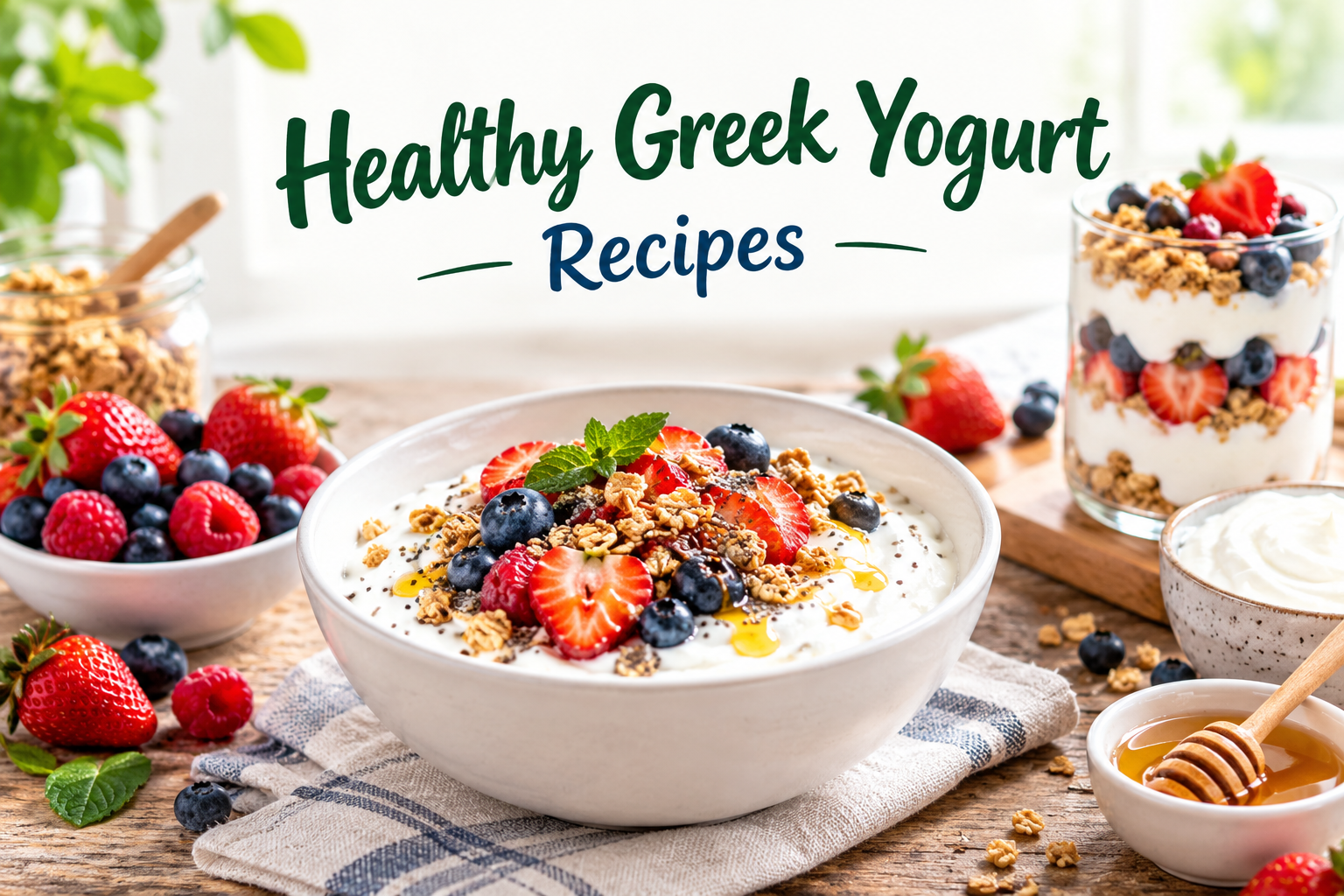
Try 15 healthy Greek yogurt recipes for breakfast, snacks, lunch, dinner, and dessert. Easy, high-protein ideas perfect for busy days.
Why Greek Yogurt Is a Healthy Recipe Staple
If you are trying to make quick meals healthier without turning your kitchen into a full-time cooking project, Greek yogurt deserves a permanent place in your refrigerator. It is thick, creamy, slightly tangy, and remarkably flexible, which means one tub can move from breakfast to snacks, sauces, dips, smoothies, and desserts without feeling repetitive. Unlike many ingredients that only work in one type of recipe, plain Greek yogurt can play several roles at once: it can add protein to breakfast, replace some mayonnaise in a chicken salad, make a sauce creamy without relying entirely on heavy cream, or create a dessert that tastes indulgent while using simple ingredients. Current nutrition guidance and dietitian commentary continue to highlight Greek yogurt for its protein content and versatility, while USDA-linked nutrition data shows that plain nonfat Greek yogurt provides roughly 10 grams of protein per 100 grams, although exact nutrition varies by product. The real advantage is convenience. When you combine Greek yogurt with fruit, oats, nuts, seeds, vegetables, lean protein, or whole grains, you can build meals that are filling and flavorful in just a few minutes. That makes these healthy Greek yogurt recipes especially useful for busy mornings, quick lunches, afternoon cravings, and simple weeknight dinners.
Greek Yogurt Nutrition at a Glance
The nutrition profile of Greek yogurt depends heavily on whether you choose nonfat, low-fat, full-fat, flavored, or sweetened varieties, so it is better to think of Greek yogurt as a category rather than a single nutritional formula. USDA-linked data for plain nonfat Greek yogurt lists approximately 59–61 calories, 10 grams of protein, 3.6 grams of carbohydrate, and less than 1 gram of fat per 100 grams, although brands and formulations differ. Greek yogurt also provides nutrients such as calcium, phosphorus, potassium, selenium, and vitamin B12, making it more than simply a convenient protein ingredient. Plain yogurt can also contain live cultures, although the specific strains and amounts vary between products, so checking the package is useful if live cultures are important to you. One important point is that Greek yogurt itself contains little or no dietary fiber, so pairing it with berries, chia seeds, oats, apples, pears, or other plant foods can make a meal more nutritionally balanced. Instead of focusing on whether one yogurt variety is universally “best,” consider what works for your meal and your preferences. A plain Greek yogurt with fruit and seeds, for example, gives you a very different nutritional combination from a flavored yogurt eaten by itself.
How to Choose the Healthiest Greek Yogurt
Choosing Greek yogurt becomes much easier when you stop judging the container by its front label and start reading the nutrition panel and ingredient list. For everyday recipes, plain Greek yogurt with little or no added sugar is usually the most versatile option because you can control sweetness yourself with fruit, cinnamon, vanilla, or a small amount of honey. USDA guidance specifically recommends plain, unsweetened yogurt as a flexible choice because adding fruit at home allows you to control sweetness and calories. Recent dietitian guidance also emphasizes checking protein and added sugar rather than automatically assuming that fat-free or “light” means healthier. Full-fat Greek yogurt can be useful when you want a richer texture, while nonfat or low-fat varieties can work well when you want a lighter recipe. The important thing is to match the yogurt to the recipe. A thick full-fat yogurt may be excellent for a creamy dessert, while plain nonfat Greek yogurt can work beautifully in a high-protein breakfast bowl or smoothie. If you are cooking for someone with a milk allergy, lactose intolerance, or another dietary restriction, check the label and choose an appropriate alternative rather than assuming every Greek-style yogurt is interchangeable.
Healthy Greek Yogurt Breakfast Recipes
Breakfast is probably the easiest place to start with Greek yogurt because you do not need complicated cooking techniques to turn it into a satisfying meal. A bowl of yogurt may sound ordinary, but the right combination of protein, fiber-rich carbohydrates, fruit, and healthy fats can transform it into something that feels more like a complete breakfast. Greek yogurt is especially useful on busy mornings because most recipes can be assembled in five to ten minutes, and several can be prepared the night before. Recent dietitian recommendations have highlighted Greek yogurt bowls containing fruit, nuts, and seeds as a balanced breakfast combination because they bring together protein, carbohydrates, fiber, and fats. The recipes below are designed around that same practical idea. You can prepare the base ahead of time and change the toppings according to the season, your budget, or what happens to be sitting in your refrigerator. That flexibility is one reason Greek yogurt breakfast recipes are so useful for busy households. Instead of buying an expensive flavored yogurt every morning, keep a large container of plain Greek yogurt available and create different combinations throughout the week.
Berry Greek Yogurt Breakfast Bowl
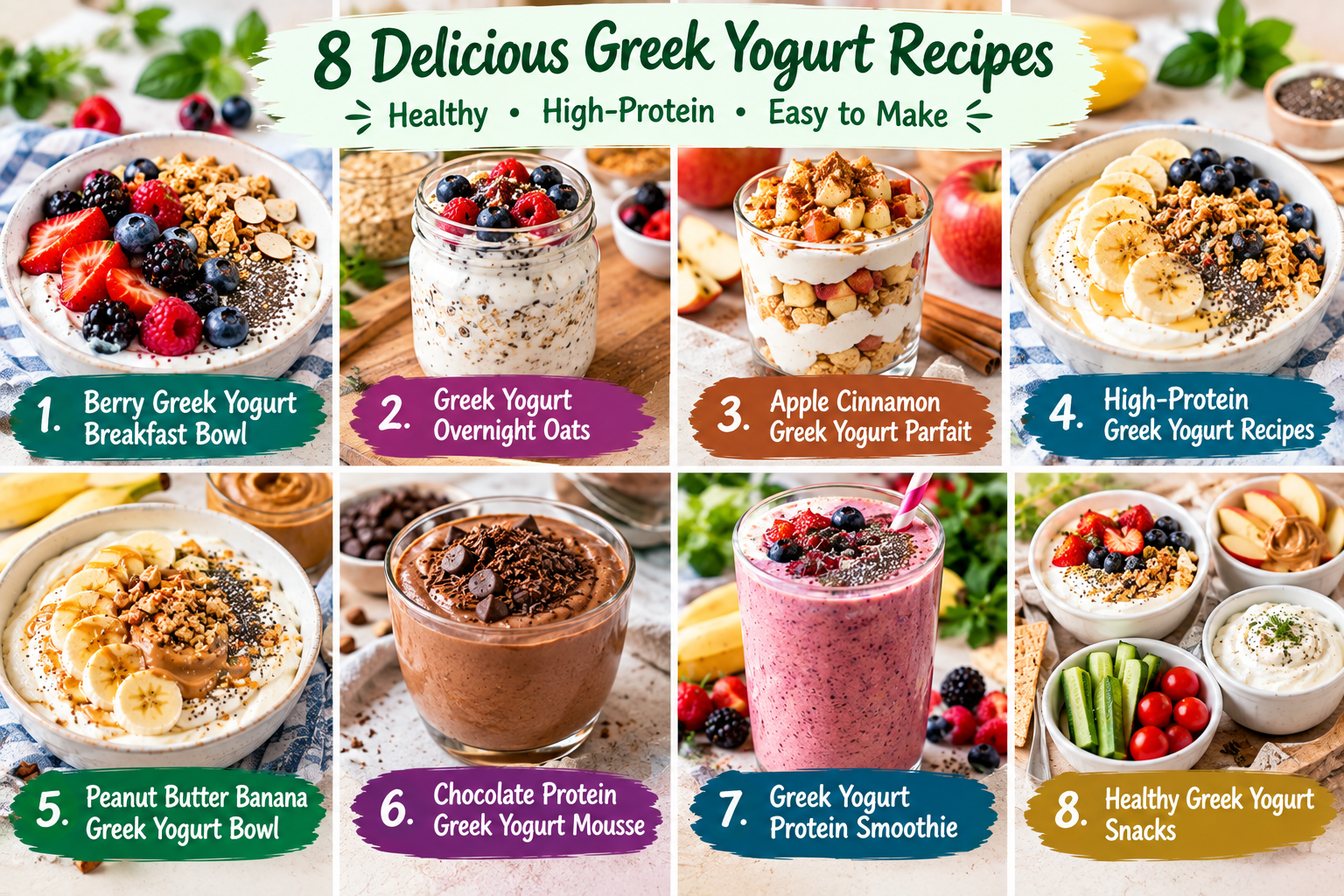
A berry Greek yogurt breakfast bowl is one of the simplest recipes on this list, but simple does not have to mean boring. Start with about one cup of plain Greek yogurt and add a generous handful of fresh or frozen berries. Blueberries, strawberries, raspberries, and blackberries all work well, and frozen berries can be particularly convenient because they keep for weeks and gradually soften when mixed with yogurt. Add one tablespoon of chia seeds and a small handful of chopped walnuts or almonds for texture, then finish with cinnamon and a teaspoon of honey if you want additional sweetness. For a more substantial breakfast, add two or three tablespoons of rolled oats or a small portion of low-sugar granola. The yogurt supplies protein, while berries and seeds help add fiber and plant nutrients. The exact calories and protein will depend on the brand and quantities you use, so calculate the final nutrition from your specific ingredients if you are tracking intake. The best part is that the recipe takes roughly five minutes. You can also prepare several portions in jars the night before, keeping wet and crunchy toppings separate when possible so the texture stays fresh.
Greek Yogurt Overnight Oats
Greek yogurt overnight oats combine the convenience of meal prep with the creamy texture of a yogurt breakfast. In a jar, mix half a cup of rolled oats, half a cup of plain Greek yogurt, roughly half a cup of milk, one tablespoon of chia seeds, and a small amount of cinnamon or vanilla. Add berries, sliced banana, diced apple, or another fruit you enjoy, then stir everything together until the mixture is evenly combined. Cover the jar and refrigerate it overnight, allowing the oats and chia seeds to absorb moisture and soften. In the morning, you can eat it cold or let it sit at room temperature for a few minutes before eating. If the mixture becomes too thick, add a splash of milk and stir again. This is particularly useful for busy people because you can prepare multiple jars at once and have breakfast ready when you wake up. For a higher-protein version, choose a Greek yogurt with a higher protein content and add a tablespoon of nut butter. For additional sweetness, rely primarily on fruit before adding honey or maple syrup. The result is creamy, portable, filling, and much more interesting than grabbing a packaged breakfast on the way out the door.
Apple Cinnamon Greek Yogurt Parfait
If you love the flavor of apple pie but want a lighter breakfast, an apple cinnamon Greek yogurt parfait is an easy option. Dice one small apple and toss it with cinnamon, then layer it with plain Greek yogurt and a small amount of chopped walnuts. You can leave the apple raw for a crisp texture or quickly sauté it in a pan with cinnamon and a splash of water for a softer, warmer topping. Add a few tablespoons of rolled oats or homemade granola between the layers if you want extra texture and carbohydrates. A tiny drizzle of honey can bring everything together, although the apple itself often provides enough natural sweetness. This recipe is especially appealing during cooler months when cinnamon and warm apples make breakfast feel comforting. Greek yogurt adds a tangy contrast that keeps the dish from becoming overly sweet. You can prepare the apple mixture in advance and assemble individual parfaits when needed, making this a practical meal-prep breakfast. For an even more balanced bowl, add chia or ground flaxseed for additional fiber and healthy fats. It is a good reminder that healthy food does not need to look like “diet food”; sometimes it simply means using familiar ingredients in sensible combinations.
High-Protein Greek Yogurt Recipes
Greek yogurt has become popular in high-protein recipes because it can contribute substantial protein without requiring a complicated cooking process. Plain nonfat Greek yogurt can provide around 10 grams of protein per 100 grams according to USDA-linked data, although the amount differs significantly between brands. Some current commercial products provide even more protein per serving, so the nutrition label is always the best source for the exact product you purchase. Rather than treating protein as something you only get from meat or protein powder, these recipes show how yogurt can become part of an everyday high-protein eating pattern. You can combine it with peanut butter, milk, fruit, chia seeds, oats, eggs, or lean chicken depending on the type of meal you want. The goal is not to make every dish extremely high in protein. Instead, the idea is to create satisfying meals where protein naturally fits into the recipe. That approach is easier to maintain because the food still tastes like real food rather than a bowl of ingredients assembled solely around a nutrition target.
Peanut Butter Banana Greek Yogurt Bowl
The peanut butter banana Greek yogurt bowl is a creamy, filling combination that works for breakfast, an afternoon snack, or even a quick post-workout meal. Spoon one cup of plain Greek yogurt into a bowl and top it with half a sliced banana, one tablespoon of natural peanut butter, one tablespoon of chia seeds, and a sprinkle of cinnamon. If you enjoy crunch, add a tablespoon of chopped peanuts or a small amount of low-sugar granola. The banana brings sweetness and carbohydrates, while peanut butter contributes fat and additional protein, and Greek yogurt provides the creamy high-protein base. If the peanut butter is difficult to drizzle, warm it very briefly or mix it with a teaspoon of warm water until it becomes thinner. For a chocolate variation, add one teaspoon of unsweetened cocoa powder to the yogurt before adding toppings. This recipe is easy to adjust based on your needs: use less peanut butter for a lighter bowl, add oats when you need a more substantial breakfast, or add extra fruit when you want more volume. The combination works because the tanginess of Greek yogurt balances the sweetness of banana and the richness of peanut butter.
Chocolate Protein Greek Yogurt Mousse
Chocolate Greek yogurt mousse can satisfy a dessert craving while still functioning as a protein-rich snack. Mix one cup of plain Greek yogurt with one tablespoon of unsweetened cocoa powder, half a teaspoon of vanilla extract, and a small amount of honey or maple syrup according to your preferred sweetness. For extra protein, you can add a protein powder that blends well with yogurt, but this is optional rather than necessary. Whisk the mixture until smooth and creamy, then refrigerate it for at least 20 minutes so the texture becomes thicker and colder. Top it with sliced strawberries, raspberries, chopped nuts, or a small shaving of dark chocolate. The key to making this taste good is balancing the cocoa carefully because too much unsweetened cocoa can make the mousse bitter. Start with a small quantity and increase it gradually. This dessert also works well as a meal-prep snack because the yogurt mixture can be divided into small containers and refrigerated. Keep the toppings separate if you want the best texture. The result is rich enough to feel like a treat but simple enough to prepare when you want something sweet without baking an entire dessert.
Greek Yogurt Protein Smoothie
A Greek yogurt protein smoothie is one of the fastest ways to turn a few ingredients into a portable meal. Blend one cup of plain Greek yogurt with one banana, half a cup of berries, half a cup of milk or unsweetened milk alternative, one tablespoon of peanut butter, and a handful of ice. Blend until completely smooth, adding a little more liquid if the mixture is too thick. For extra fiber, add a tablespoon of chia or ground flaxseed, and for a stronger protein boost, add protein powder if it fits your dietary needs. The yogurt gives the smoothie a thick texture that can be difficult to achieve with milk and fruit alone. It also makes the drink more satisfying than a fruit-only smoothie. You can change the flavor without changing the basic method: use mango and pineapple for a tropical version, cocoa and banana for chocolate, or strawberries and vanilla for a classic combination. If you are preparing smoothies for several days, freeze the fruit in individual bags and add the yogurt and liquid when blending. This makes the morning process almost automatic. For busy schedules, that kind of preparation can make healthy eating feel less like a chore.
Healthy Greek Yogurt Snacks
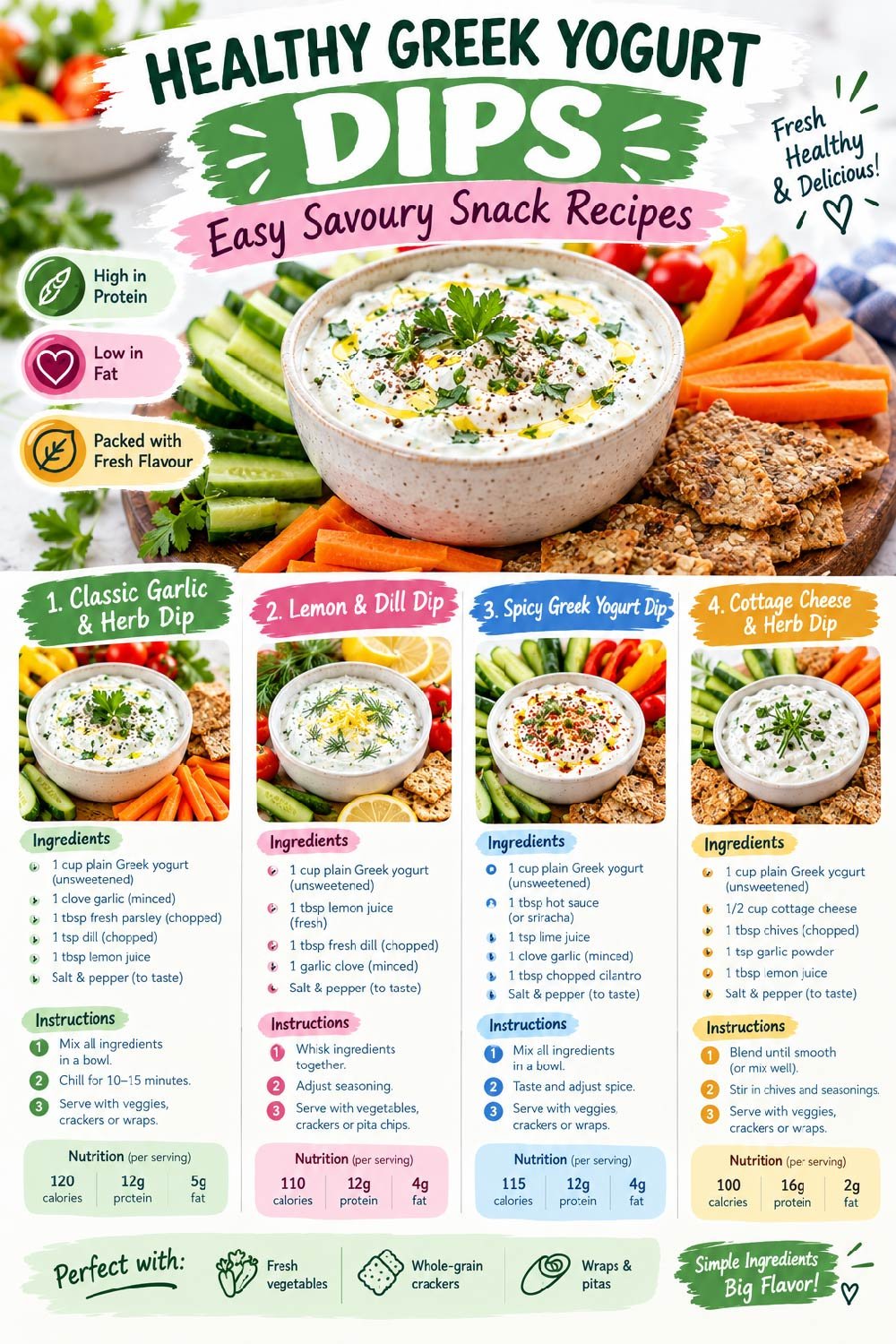
Snacking is where Greek yogurt can really earn its place in a healthy kitchen because it can be turned into both sweet and savory foods. Instead of automatically reaching for cookies, chips, or heavily sweetened snack bars, you can create a yogurt-based snack with ingredients you already have. Greek yogurt is particularly useful because its thick texture makes it suitable for dips and spreads as well as sweet bowls. USDA guidance notes that yogurt can stand alone or partner with both sweet and savory foods, which explains why it works across such a wide range of recipes. The key is to choose the right base. Plain Greek yogurt gives you more control than flavored yogurt because you can decide whether the final recipe should taste sweet, spicy, herby, or tangy. Fruit, cinnamon, cocoa, and nut butter can turn it into dessert-like food, while cucumber, garlic, lemon, dill, and herbs can transform it into a savory dip. These snacks are also easy to scale. Make one serving when you are hungry now or prepare several portions for the refrigerator so that a healthy option is already waiting when cravings arrive.
Frozen Berry Yogurt Bites
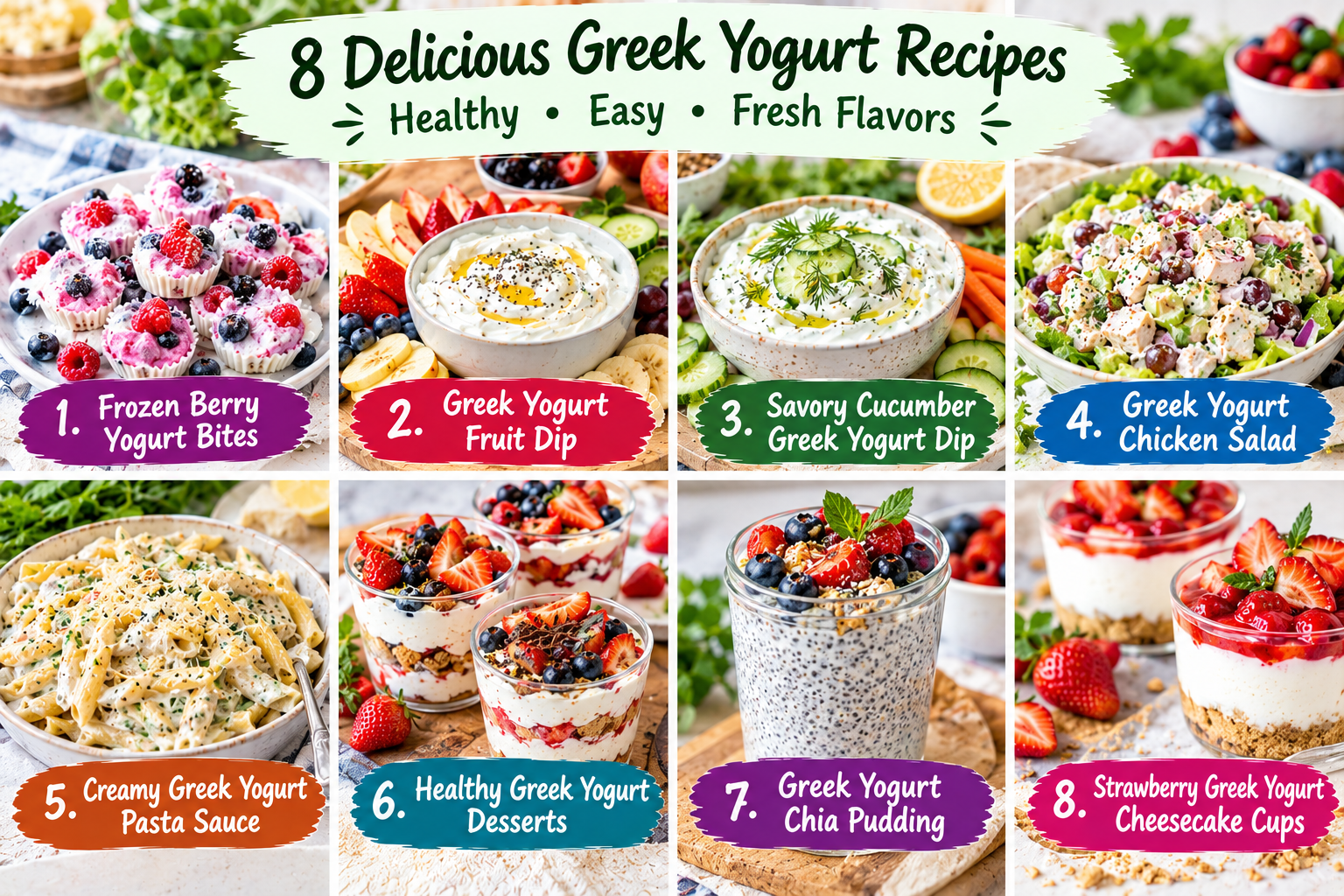
Frozen berry yogurt bites are an easy make-ahead snack that requires only a few ingredients. Line a small tray with parchment paper, then spoon small circles of plain Greek yogurt onto the surface. Press a blueberry, raspberry piece, or chopped strawberry into each yogurt circle and add a tiny drizzle of honey if desired. Freeze the tray until the yogurt is firm, then transfer the bites to a sealed freezer container. Because homemade frozen snacks can become very hard, let them sit for a few minutes before eating. You can also mix the yogurt with vanilla or cinnamon before freezing for additional flavor. For a richer version, stir in a small amount of nut butter or chopped nuts. These bites are especially useful in summer when you want something cold and refreshing without relying on ice cream. They also give you a practical way to use berries that are becoming overly ripe. Since the ingredients are simple, the final nutrition depends largely on your yogurt and toppings. If you are making these for children, keep the pieces appropriately sized and consider avoiding whole nuts for young children.
Greek Yogurt Fruit Dip
A creamy Greek yogurt fruit dip can make fresh fruit feel like a special snack. Combine one cup of plain Greek yogurt with one teaspoon of honey, half a teaspoon of vanilla, and a pinch of cinnamon. Stir until smooth and taste before adding more sweetness. Serve it with apple slices, strawberries, grapes, pear slices, or melon. For a higher-protein and richer dip, add a tablespoon of natural peanut or almond butter. You can also make a lemon version by adding a little fresh lemon zest and a few drops of lemon juice. The important trick is to avoid drowning the yogurt in sweetener. Fruit already contributes natural sweetness, so the dip only needs enough honey to soften the yogurt's tang. This recipe is excellent for lunchboxes, afternoon snacks, and simple entertaining because it can be made in less than five minutes. It is also a useful strategy when you are trying to eat more fruit: instead of thinking of fruit as something you have to force yourself to eat, pair it with a creamy dip that adds contrast and makes the snack more enjoyable.
Savory Cucumber Greek Yogurt Dip
For a savory snack, combine Greek yogurt with cucumber, garlic, lemon juice, dill, black pepper, and a small drizzle of olive oil. This quick dip is inspired by the flavors of tzatziki and works beautifully with sliced vegetables, whole-grain crackers, pita, or grilled chicken. Grate a small piece of cucumber, squeeze out excess moisture, and mix it into about one cup of Greek yogurt. Add one small minced garlic clove, a tablespoon of chopped dill, a teaspoon of lemon juice, and black pepper to taste. Let the mixture rest in the refrigerator for 15 to 30 minutes if you have time because the flavors become more pronounced as they sit. You can also use this dip as a sandwich spread or drizzle it over roasted vegetables. Greek yogurt makes the mixture creamy while keeping the ingredient list straightforward. If you prefer a thicker dip, use strained Greek yogurt and remove as much cucumber liquid as possible. This is one of those recipes worth keeping in your regular rotation because it can turn ordinary vegetables into a much more appealing snack while also providing a protein-rich component.
Healthy Greek Yogurt Lunch and Dinner Ideas
Greek yogurt is not limited to breakfast bowls and desserts. Its creamy, tangy character makes it a surprisingly effective ingredient for lunch and dinner recipes, especially when you want to reduce the amount of mayonnaise, sour cream, or heavy cream in a dish. Dietitian-created recipe collections commonly use plain Greek yogurt in sauces, dressings, salads, smoothies, and even savory cooked dishes because of its texture and protein content. The trick is learning how to treat it correctly. In cold recipes, you can stir it directly into the dish, but when using Greek yogurt in hot sauces, gentle heat is important because very high temperatures can cause dairy proteins to separate. Tempering the yogurt with a little warm sauce before combining everything can help create a smoother result. Once you understand that technique, the possibilities become much broader. You can make chicken salad, creamy pasta, grain bowls, dips, wraps, and sauces without relying on large amounts of mayonnaise or cream. That makes Greek yogurt especially useful for busy people who want weeknight meals that are quick but still feel satisfying.
Greek Yogurt Chicken Salad
Greek yogurt chicken salad is a lighter alternative to a traditional mayonnaise-heavy chicken salad while still delivering plenty of creaminess. Combine cooked shredded chicken with plain Greek yogurt, diced celery, chopped apple, green onion, black pepper, and a small squeeze of lemon juice. Add a teaspoon of Dijon mustard if you enjoy a sharper flavor, then stir until everything is evenly coated. You can also add grapes, walnuts, parsley, or dried cranberries depending on the flavor you want. Serve the chicken salad in a whole-grain wrap, over lettuce, with whole-grain crackers, or stuffed into a pita. This recipe is especially convenient for meal prep because cooked chicken can be prepared ahead of time and mixed with the yogurt dressing when needed. If you are storing it for several days, keep the mixture refrigerated and follow safe food-storage practices. The Greek yogurt contributes creaminess and protein while the vegetables and fruit provide texture. For an even more filling meal, serve it alongside a large salad or fresh vegetables. This is an excellent example of how one ingredient can change the texture of a familiar recipe without forcing you to give up the comfort-food experience.
Creamy Greek Yogurt Pasta Sauce
A creamy Greek yogurt pasta sauce can give you the comforting texture of a cream sauce with a brighter, tangier flavor. Cook your favorite whole-grain or regular pasta according to the package instructions, reserving some of the pasta water before draining. In a bowl, whisk together plain Greek yogurt, grated Parmesan, garlic, black pepper, and a small amount of lemon juice. Slowly add warm pasta water to loosen the mixture, then toss it with the hot pasta after removing the pan from direct high heat. The residual warmth helps create a creamy coating without aggressively boiling the yogurt. Add spinach, peas, broccoli, grilled chicken, or roasted vegetables to turn the pasta into a more complete meal. The final dish is best served immediately because the sauce can thicken as it cools. If it becomes too thick, another splash of pasta water can bring the texture back. This recipe is useful on busy evenings because the sauce comes together while the pasta cooks. You can also change the flavor with basil, parsley, chili flakes, roasted garlic, or pesto. It is a flexible foundation rather than a rigid recipe, which makes it easy to adapt to whatever is already in your kitchen.
Easy Greek Yogurt Tzatziki Bowl
A Greek yogurt tzatziki bowl is a fast way to build a balanced lunch without complicated cooking. Start with a base of cooked quinoa, brown rice, or another whole grain, then add cucumber, tomatoes, greens, and a protein such as grilled chicken, chickpeas, salmon, or roasted vegetables. Spoon homemade Greek yogurt tzatziki over the top and finish with lemon juice and fresh herbs. The tzatziki can be made by combining Greek yogurt with grated cucumber, garlic, dill, lemon juice, and black pepper. If you want more healthy fat, add a small amount of olive oil or sliced avocado. This type of bowl is highly customizable, which is useful for meal prep because different family members can choose their own toppings. Prepare the grains and protein in advance, store the components separately, and assemble each bowl when you are ready to eat. The yogurt-based sauce acts almost like a dressing, bringing everything together with a creamy, tangy flavor. It is a simple formula: grain + protein + vegetables + Greek yogurt sauce. Once you understand that formula, you can create countless combinations without needing a new recipe every night.
Healthy Greek Yogurt Desserts
Healthy desserts should not have to mean giving up everything enjoyable. Greek yogurt provides a creamy foundation that can be paired with fruit, cocoa, chia seeds, nuts, and small amounts of natural sweeteners to create desserts that feel satisfying without requiring complicated baking. This does not automatically make every Greek yogurt dessert “low calorie,” because ingredients such as nut butter, chocolate, granola, honey, and full-fat yogurt still contribute calories. The advantage is control. You decide how much sweetener, topping, and portion size goes into each serving. Greek yogurt also provides protein, which can make a dessert more substantial than a purely sugary snack. Some recipes can be prepared several hours ahead, making them useful for parties or weekday meal prep. When you want a dessert that is quick, start with plain Greek yogurt and build the flavor gradually. Fruit gives natural sweetness, cocoa gives depth, cinnamon adds warmth, and vanilla creates a familiar dessert aroma. Once you have the base mixture right, you can make several variations without buying specialty ingredients.
Greek Yogurt Chia Pudding
Greek yogurt chia pudding combines creamy yogurt with chia seeds to create a thick, spoonable dessert or breakfast. Mix half a cup of plain Greek yogurt with half a cup of milk, two tablespoons of chia seeds, vanilla, and a small amount of honey or maple syrup. Stir thoroughly, wait five minutes, and stir again to prevent the chia seeds from clumping together. Refrigerate the mixture for at least two hours, preferably overnight. Once thickened, top it with berries, sliced banana, kiwi, cocoa nibs, or chopped nuts. Chia seeds are particularly useful here because they absorb liquid and create the pudding texture, while also contributing fiber and healthy fats. Recent recipe roundups continue to feature chia seeds with Greek yogurt, fruit, and other ingredients in meal-prep-friendly breakfasts and snacks. If the pudding is too thick the next morning, stir in a splash of milk. If it is too loose, give it more time in the refrigerator. You can prepare several small jars at once and keep them ready for quick breakfasts or desserts. The recipe is simple enough for beginners and flexible enough to customize with different flavors.
Strawberry Greek Yogurt Cheesecake Cups
Strawberry Greek yogurt cheesecake cups deliver cheesecake-inspired flavor without requiring an oven. Mix plain Greek yogurt with softened cream cheese, vanilla, and a small amount of honey or maple syrup until smooth. Spoon the mixture into small glasses over a base of crushed whole-grain crackers, oats, or a modest amount of granola. Top with sliced strawberries and refrigerate for at least 30 minutes before serving. If you want a stronger cheesecake flavor, add a little lemon zest to the yogurt mixture. You can also blend some strawberries into the yogurt base for a naturally fruity version. These individual portions are useful when entertaining because they can be prepared in advance and served directly from the refrigerator. Keep in mind that adding cream cheese and sweet toppings changes the nutrition significantly, so this is best viewed as a portion-controlled dessert rather than a magical “healthy cheesecake.” The benefit is that Greek yogurt allows you to create a creamy dessert with a protein-rich ingredient at its center. It also gives you a way to enjoy dessert flavors while keeping the preparation quick, which is exactly what many busy home cooks need.
Tips for Making Greek Yogurt Recipes Healthier
The easiest way to improve a Greek yogurt recipe is not to remove every ingredient you enjoy; it is to build better combinations. Start with plain Greek yogurt when possible so you control the sweetness, then use fruit, cinnamon, vanilla, cocoa, herbs, spices, and citrus to develop flavor. Pair yogurt with high-fiber foods because plain Greek yogurt contains little to no fiber, making ingredients such as berries, chia seeds, oats, apples, vegetables, and whole grains useful additions. When selecting packaged yogurt, compare serving sizes, protein, added sugars, and total calories instead of relying only on words such as “light,” “natural,” or “high protein.” Recent dietitian guidance recommends paying attention to protein and added sugar and choosing based on your individual nutritional needs rather than automatically selecting the lowest-fat option. Another practical tip is to prepare components instead of complete recipes. Keep cooked chicken, chopped vegetables, berries, oats, and homemade yogurt sauces ready in the refrigerator, then assemble meals when needed. This prevents healthy eating from becoming dependent on having an hour available every evening. Finally, remember that nutrition estimates in homemade recipes are approximate. Different yogurt brands can have substantially different protein, sugar, and calorie values, so use the label on your specific product when accurate tracking matters.
Conclusion
Healthy Greek yogurt recipes are useful because they combine speed, versatility, protein, and creamy texture in ways that fit real life. You can start your morning with overnight oats, make a five-minute yogurt bowl when you are short on time, prepare a savory dip for vegetables, replace some mayonnaise in chicken salad, build a quick Mediterranean-inspired bowl, or finish the day with a yogurt-based dessert. Plain Greek yogurt is especially valuable because it gives you a neutral foundation that can move between sweet and savory recipes. USDA-linked nutrition data shows why it is popular in protein-focused meals, while current dietitian guidance continues to emphasize choosing yogurt based on protein, added sugar, fat preference, and serving size rather than assuming every product is nutritionally identical. The biggest lesson is that healthy cooking does not need to be complicated. Keep Greek yogurt, fruit, vegetables, whole grains, seeds, nuts, and a few flavorful seasonings available, and you have the building blocks for dozens of quick meals. Start with one or two recipes from this list, make them your own, and gradually create a rotation that works for your schedule.
FAS
Q 1. Is Greek yogurt good for a healthy diet?
Yes, plain Greek yogurt can be part of a healthy diet because it provides protein and nutrients such as calcium and phosphorus. The nutritional profile varies by brand and fat level, so checking the label is important. Plain varieties can also give you greater control over added sugar because you can sweeten them yourself with fruit or other ingredients.
Q 2: What can I mix with Greek yogurt for a healthy snack?
Try Greek yogurt with berries and chia seeds, banana and peanut butter, apple and cinnamon, or cucumber, dill, garlic, and lemon for a savory option. These combinations add flavor and can bring fiber, healthy fats, or additional protein to the snack.
Q 3: Is Greek yogurt high in protein?
Greek yogurt is generally a protein-rich dairy food. USDA-linked data for plain nonfat Greek yogurt lists roughly 10 grams of protein per 100 grams, but the exact amount varies considerably between products. Always check your yogurt's nutrition label for the most accurate number.
Q 4: Can I use Greek yogurt instead of mayonnaise?
Yes. Greek yogurt can replace some or all of the mayonnaise in recipes such as chicken salad, tuna salad, dips, and dressings. Its tangy flavor works particularly well with lemon, mustard, herbs, garlic, and black pepper.
Q 5: Can I eat Greek yogurt every day?
For many people, Greek yogurt can fit comfortably into an everyday eating pattern. Choose a variety that suits your nutritional preferences, pay attention to added sugar and portion size, and combine it with a range of fruits, vegetables, whole grains, nuts, and seeds for variety.
Comments
0No comments yet — be the first to share your thoughts!