10 Protein-Packed Sandwiches You'll Love | Quick & Healthy
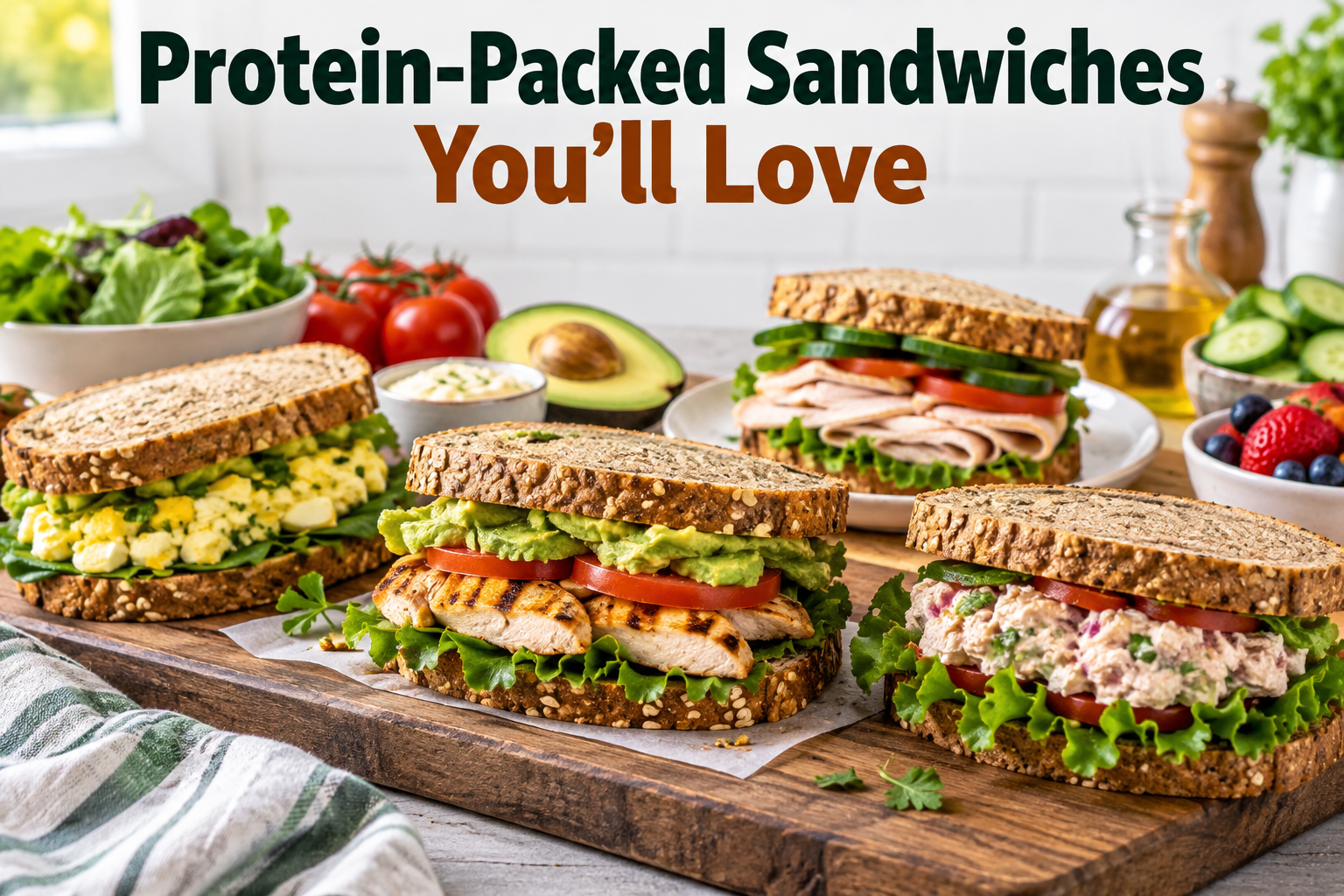
Discover 10 delicious protein-packed sandwiches that are quick, healthy, and perfect for busy days. Easy recipes with chicken, turkey, tuna, eggs, and more.
Protein-Packed Sandwiches You'll Love
A sandwich can be so much more than two slices of bread with a little filling in the middle. When you choose the right ingredients, it can become a satisfying, balanced meal that works beautifully for breakfast, lunch, dinner, or even a quick post-workout option. Protein-packed sandwiches are especially useful when your schedule is busy because they combine convenience with ingredients that can help make a meal more filling. Instead of reaching for another snack an hour after lunch, you can build a sandwich around a substantial protein source, fiber-rich bread, vegetables, and a flavorful spread.
The current Dietary Guidelines for Americans 2025–2030 emphasize choosing whole, nutritious foods and include protein foods, grains, vegetables, fruits, and dairy or fortified alternatives among the major food groups. The guidelines also encourage variety in protein choices, including seafood, meat, poultry, eggs, beans, peas, lentils, nuts, seeds, and soy foods. That makes sandwiches surprisingly flexible. You do not need to eat the same chicken sandwich every day to increase your protein intake.
The recipes below are designed for real life. They use familiar ingredients, simple preparation methods, and plenty of opportunities to customize each sandwich around your preferences. Whether you want something creamy, crunchy, fresh, savory, spicy, or Mediterranean-inspired, there is a combination here that can turn an ordinary sandwich into a meal you actually look forward to eating.
Why Protein-Packed Sandwiches Are Worth Making
Protein is one of the easiest nutrients to build into a sandwich because so many traditional sandwich ingredients already provide it. Chicken, turkey, tuna, eggs, salmon, roast beef, cottage cheese, Greek yogurt, hummus, chickpeas, and cheese can all contribute protein to your meal. The trick is not simply piling on more meat. A better approach is to combine a sensible protein source with whole grains, vegetables, healthy fats, and a flavorful sauce so the sandwich feels complete rather than heavy.
A protein-rich sandwich can also be convenient when you are trying to simplify meals during a busy week. You can cook chicken ahead, boil eggs in advance, portion tuna filling into containers, wash vegetables, and prepare spreads before you need them. Then, when lunchtime arrives, assembling your meal takes only a few minutes. This is especially useful for people who work long hours, commute, study, or simply do not want to spend half an hour cooking every afternoon.
Another advantage is variety. The 2025 Dietary Guidelines framework recognizes several different protein-food subgroups, including seafood; meats, poultry, and eggs; nuts, seeds, and soy products; and beans, peas, and lentils. That means your sandwich routine does not have to revolve around deli turkey and cheese. Rotating different protein sources can make healthy eating much more interesting while giving you plenty of flavor combinations to explore.
What Makes a Sandwich High in Protein?
There is no single magic ingredient that automatically makes a sandwich high in protein. Instead, the overall combination matters. Start with a substantial protein centerpiece, such as grilled chicken, canned tuna, sliced turkey, eggs, salmon, roast beef, chickpeas, or cottage cheese. Then add supporting ingredients that contribute smaller amounts of protein, such as Greek yogurt, hummus, cheese, seeds, or whole-grain bread.
The bread matters, too, although it should not be treated as the main protein source. Whole-grain bread can contribute fiber and other nutrients while providing a sturdy base for the filling. Current federal dietary guidance continues to encourage nutritious food choices and emphasizes whole grains as part of a healthy eating pattern. Choosing a bread with a good amount of fiber can make the sandwich more satisfying and give it a heartier texture.
The final piece is balance. A sandwich made entirely from meat and cheese may contain plenty of protein, but it can also become overly salty, rich, or low in vegetables. Add lettuce, spinach, tomato, cucumber, peppers, onions, avocado, shredded carrots, or other vegetables to create more texture and flavor. Think of your sandwich like building a small meal on a plate: protein is the anchor, but the other ingredients give it structure.
How Protein Fits Into a Balanced Meal
A high-protein sandwich should not exist in isolation from the rest of your eating pattern. The bigger picture is what matters. The Dietary Guidelines encourage people to eat a variety of nutritious foods and make food choices that fit their individual calorie and nutrient needs. A sandwich can fit into that pattern very naturally when you combine protein with vegetables, whole grains, and other nutrient-dense ingredients.
For example, grilled chicken provides a straightforward protein base, while avocado contributes creamy texture and healthy fats. Add tomato, spinach, and whole-grain bread, and suddenly the sandwich has multiple layers of flavor and texture. Similarly, tuna can be mixed with Greek yogurt instead of relying entirely on mayonnaise, then paired with cucumber and whole-grain bread for a fresh lunch.
Portion size also matters. Bigger is not always better. You can create a satisfying sandwich without stacking an enormous amount of meat, cheese, and sauce between the bread. Instead, focus on ingredient quality, texture, and variety. If you want additional food alongside your sandwich, fresh fruit, a simple salad, vegetable soup, or crunchy vegetables can round out the meal.
The Best Ingredients for Protein-Packed Sandwiches
Building better sandwiches starts at the grocery store. Keep several protein options available so you can create different combinations without starting from scratch every day. Cooked chicken breast is one of the most versatile choices because it works with avocado, pesto, hummus, vegetables, yogurt-based sauces, and Mediterranean flavors. Turkey is another convenient option, especially when paired with hummus, spinach, tomato, mustard, or avocado.
Eggs are inexpensive, flexible, and excellent for breakfast sandwiches. Hard-boiled eggs can be prepared in advance, while scrambled or fried eggs work well when you have a few extra minutes. Tuna and salmon are useful pantry or refrigerator staples because they can quickly become sandwich fillings without requiring lengthy cooking. For plant-based meals, chickpeas, hummus, tofu, lentils, nuts, seeds, and soy foods offer several possibilities.
Cheese can also play a supporting role. Cottage cheese, mozzarella, Swiss cheese, feta, and cheddar can add flavor and some protein, but the quantity can be adjusted according to your nutritional needs. Greek yogurt is another surprisingly useful ingredient because it can replace some or all of the mayonnaise in tuna, chicken, or egg salad.
High-Protein Fillings
The easiest way to increase sandwich protein is to choose the filling first rather than beginning with bread. Imagine you are planning the sandwich backward. Ask yourself, “What is my main protein today?” Once that decision is made, the rest becomes much easier.
For a chicken sandwich, you might choose avocado, tomato, spinach, and a lemon-yogurt spread. For tuna, cucumber, celery, red onion, and Greek yogurt can create a crisp and creamy combination. For eggs, spinach, cottage cheese, tomato, and black pepper work beautifully. A chickpea sandwich can use hummus, cucumber, shredded carrot, and greens for a plant-forward option.
Variety is important because eating the same sandwich repeatedly can make even a favorite recipe feel boring. Keep two or three protein options ready in the refrigerator and change the seasoning and toppings throughout the week. The same cooked chicken can taste completely different with pesto one day, hummus the next, and a spicy yogurt sauce later in the week.
Whole-Grain Breads and Wraps
Bread provides the foundation of your sandwich, so choose a variety that holds the filling without falling apart. Whole-grain bread, seeded bread, whole-wheat pita, high-fiber wraps, and other grain-based options can all work. If you prefer a softer sandwich, try a whole-wheat wrap. If you want more crunch, toast your bread before assembling.
The current Dietary Guidelines framework includes grains as a major food group and highlights whole grains within healthy eating patterns. This makes whole-grain bread a practical choice when you want your sandwich to contribute more than just calories and carbohydrates.
Bread thickness also affects the eating experience. A very thin slice may struggle to support a generous filling, while an extremely thick roll can overpower delicate ingredients such as smoked salmon or egg salad. Choose bread according to the filling. Rustic whole-grain bread works well with chicken and roast beef, while a soft wrap may be better for hummus and chickpea fillings.
Healthy Sauces and Toppings
Sauces are where a sandwich can go from boring to irresistible. Greek yogurt, hummus, mustard, pesto, mashed avocado, salsa, tahini, and homemade herb sauces can provide moisture and flavor. You do not need a huge amount of sauce. A thin layer spread across the bread is often enough to make every bite more enjoyable.
Vegetables should get equal attention. Spinach adds color and freshness, tomato brings acidity and juiciness, cucumber creates crunch, and roasted peppers add sweetness. Pickled onions can wake up a simple turkey sandwich, while shredded carrots can add texture to a chickpea wrap.
If you are watching sodium, pay attention to processed meats, cheeses, sauces, and packaged spreads. Federal dietary guidance advises choosing foods with less added sugar, saturated fat, and sodium. Using fresh ingredients and homemade spreads gives you much more control over the final sandwich.
10 Protein-Packed Sandwiches You'll Love
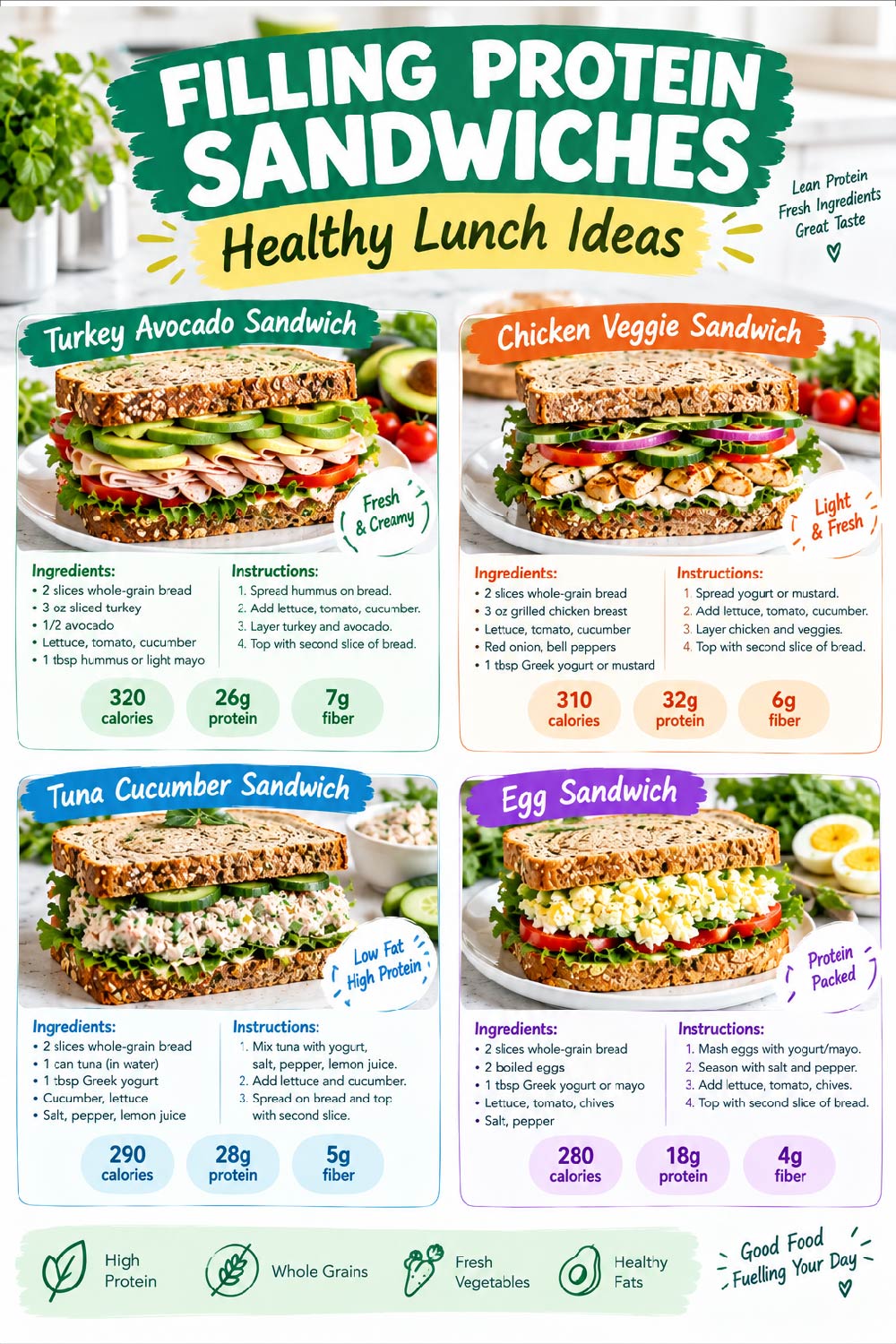
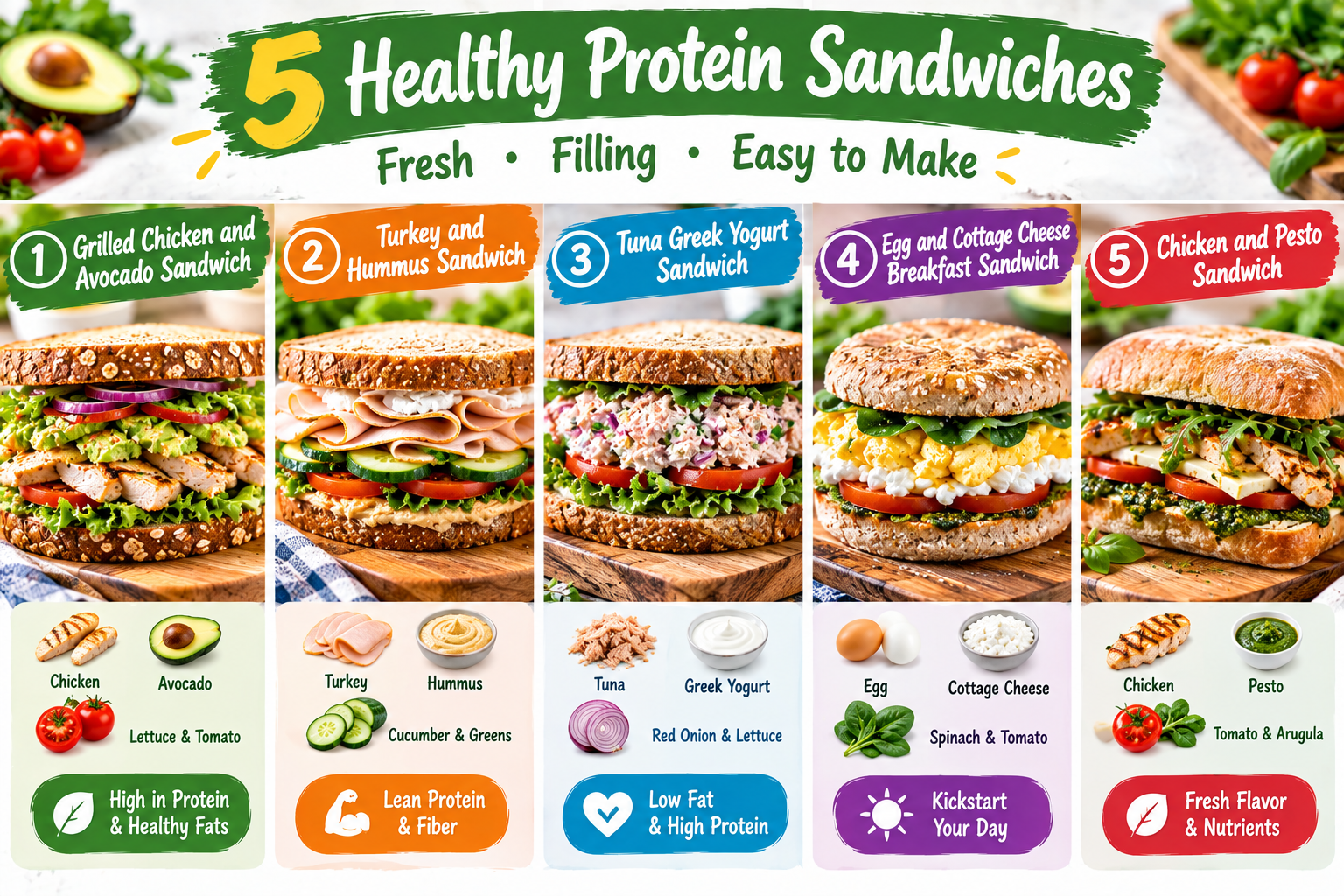
1. Grilled Chicken and Avocado Sandwich
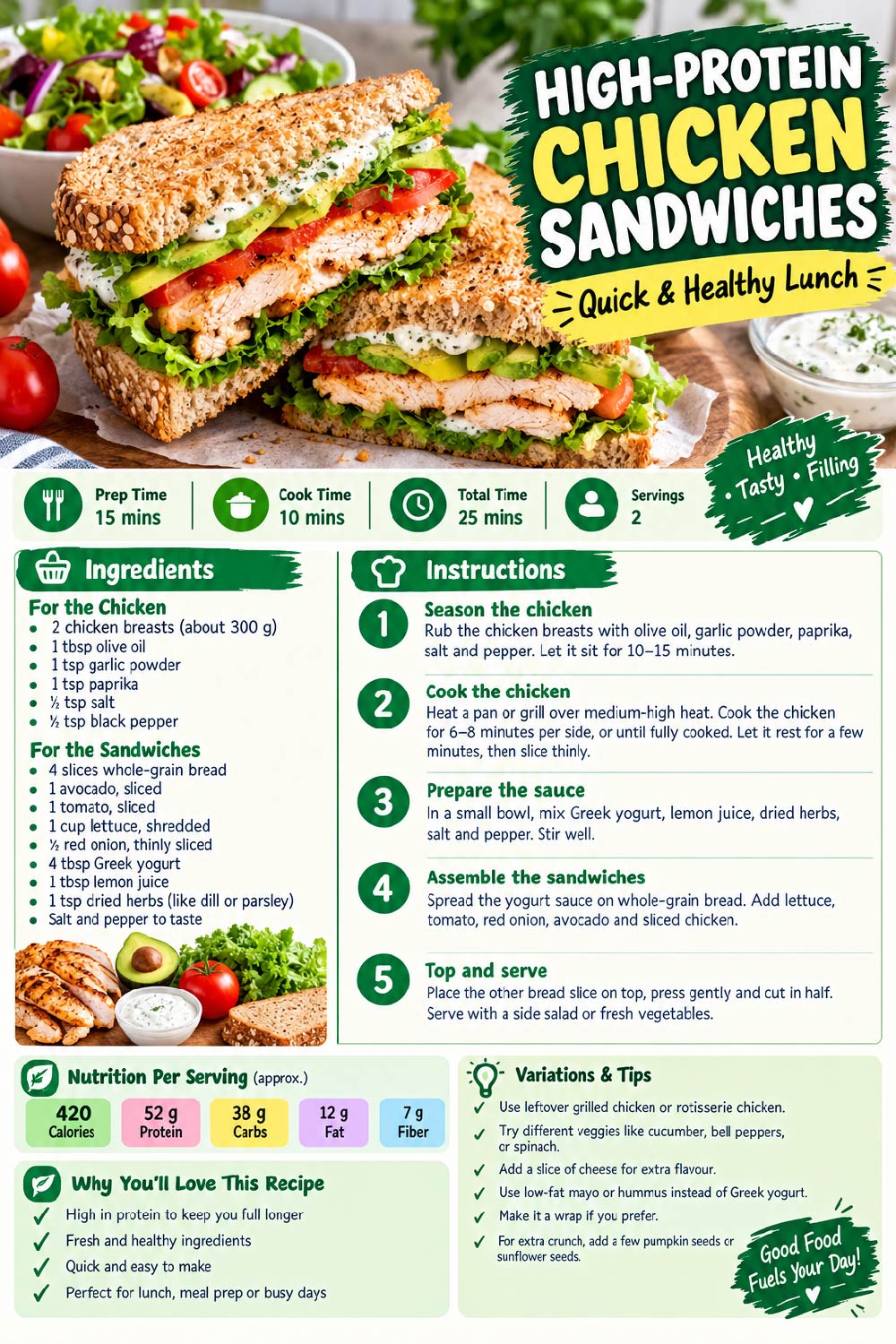
This is the sandwich to make when you want something filling without making lunch complicated. Start with sliced grilled chicken breast and layer it onto two slices of whole-grain bread. Add mashed or sliced avocado, fresh tomato, spinach, and a small amount of Greek yogurt mixed with lemon juice and black pepper. The chicken provides the main protein, while avocado gives the sandwich a creamy texture that makes mayonnaise unnecessary.
For extra flavor, season the chicken with garlic powder, paprika, black pepper, and a small amount of olive oil before grilling. You can cook several chicken breasts at once and refrigerate the leftovers for quick sandwiches throughout the week. Toasting the bread adds a pleasant crunch and helps it stand up to the juicy tomato and avocado.
This sandwich is particularly useful for meal prep because most of the ingredients can be prepared ahead. Keep the avocado separate if you are making sandwiches several hours in advance, or add a little lemon juice to slow browning. You can also turn the same filling into a wrap or salad bowl when you want a change.
2. Turkey and Hummus Sandwich
Turkey and hummus make a wonderfully simple combination. Spread hummus over whole-grain bread, then add sliced turkey, cucumber, tomato, spinach, and a few thin slices of red onion. The hummus provides creaminess while the vegetables add freshness and crunch.
This sandwich is ideal for a packed lunch because it requires almost no cooking. If you have time, toast the bread lightly and add a sprinkle of paprika or dried oregano to the hummus. For a spicy version, mix a little hot sauce or crushed red pepper into the hummus before spreading it.
To make the sandwich more substantial, add a boiled egg or a small amount of sliced cheese. If you prefer a wrap, place all the ingredients inside a whole-wheat tortilla and roll it tightly. It is one of those recipes that feels different every time depending on the vegetables and seasoning you use.
3. Tuna Greek Yogurt Sandwich
Tuna salad does not have to be swimming in mayonnaise. Combine drained tuna with plain Greek yogurt, Dijon mustard, lemon juice, diced celery, black pepper, and finely chopped red onion. Spoon the mixture onto whole-grain bread and add cucumber, lettuce, or tomato.
The Greek yogurt creates a creamy texture while adding another protein-containing ingredient to the filling. Celery provides crunch, while mustard and lemon keep the flavor bright. If you like a little sweetness, add a small amount of finely chopped apple or relish.
This sandwich is also easy to prepare in advance. Make the tuna mixture in a sealed container and refrigerate it until you are ready to assemble lunch. Keeping the filling separate from the bread helps prevent sogginess. When lunchtime arrives, simply toast your bread, add the filling, and finish with fresh greens.
4. Egg and Cottage Cheese Breakfast Sandwich
For a breakfast sandwich that keeps you away from the pastry aisle, combine eggs with cottage cheese. Scramble two eggs and fold in a spoonful of cottage cheese near the end of cooking. Place the eggs on a toasted whole-grain English muffin or bread and add spinach and tomato.
The cottage cheese makes the eggs creamy while contributing additional protein. A little black pepper, garlic powder, and chopped chives can transform the flavor without requiring a complicated sauce. If you enjoy heat, add sliced jalapeño or a dash of hot sauce.
This sandwich works especially well on busy mornings because the vegetables can be prepared the night before. You can also cook the eggs and assemble the sandwich fresh in just a few minutes. Pair it with fruit for a simple breakfast that feels much more substantial than a quick piece of toast.
5. Chicken and Pesto Sandwich
Chicken and pesto are natural partners. Layer grilled chicken breast onto toasted whole-grain bread, then add a thin spread of pesto, fresh spinach, tomato, and mozzarella. The basil pesto provides intense flavor, so you do not need a large amount.
For a lighter texture, combine pesto with Greek yogurt before spreading it onto the bread. This creates a creamy herb sauce that distributes more evenly across the sandwich. Roasted red peppers are another excellent addition because their sweetness balances the savory chicken and pesto.
If you are meal prepping, keep the tomato separate until serving so the bread remains firm. You can also use leftover roasted chicken instead of grilling fresh chicken specifically for this recipe. It is a smart way to turn yesterday's dinner into today's lunch.
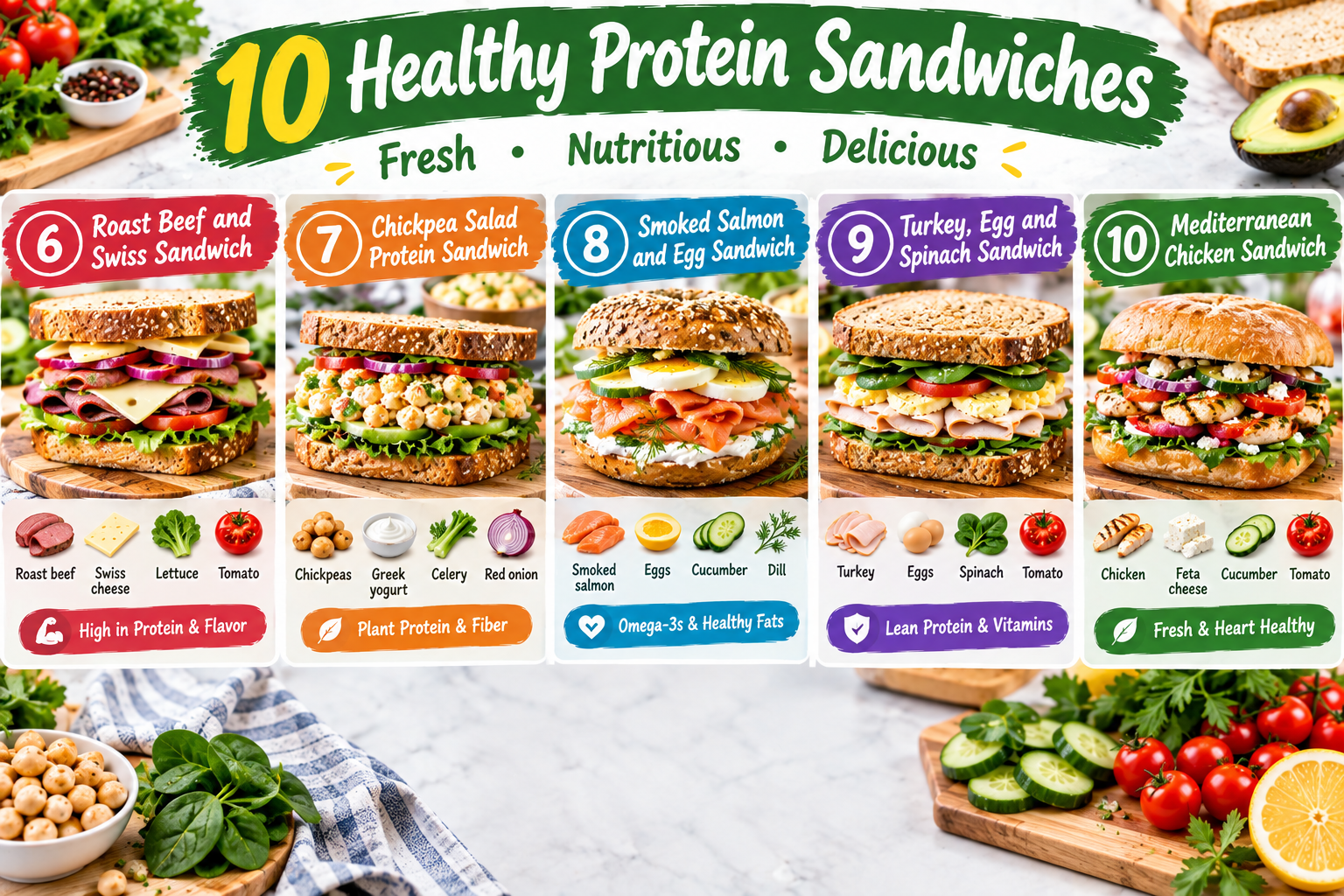
6. Roast Beef and Swiss Sandwich
Roast beef and Swiss cheese create a classic combination that can be made healthier with the right supporting ingredients. Start with whole-grain bread, then add a moderate portion of sliced roast beef and Swiss cheese. Finish with arugula, tomato, thinly sliced onion, and mustard.
The peppery arugula works particularly well with roast beef. Mustard provides enough moisture and acidity that you may not need a creamy sauce. If you want more texture, add sliced cucumber or shredded cabbage.
Because processed and packaged meats can contribute significant sodium, pay attention to the type and quantity you use. Building your sandwich around fresh vegetables and whole-grain bread helps create a more balanced meal. You can also use leftover home-cooked roast beef when available.
7. Chickpea Salad Protein Sandwich
You do not need meat to create a satisfying protein-focused sandwich. Mash chickpeas with Greek yogurt or hummus, lemon juice, Dijon mustard, celery, red onion, and black pepper. Spread the mixture onto whole-grain bread and add spinach or shredded lettuce.
Chickpeas are especially useful because beans, peas, and lentils are included within the protein-food framework used in federal dietary guidance. The combination of creamy chickpeas and crunchy vegetables makes this sandwich surprisingly satisfying.
For more flavor, add chopped pickles, fresh parsley, smoked paprika, or a little cumin. You can also mix in sunflower seeds for extra crunch. This recipe stores well, making it a practical choice for meal prep and meatless lunches.
8. Smoked Salmon and Egg Sandwich
Smoked salmon gives this sandwich a restaurant-style feel without requiring complicated cooking. Toast a whole-grain English muffin or two slices of hearty bread and add scrambled or sliced boiled egg. Layer smoked salmon on top, then finish with cucumber, spinach, and a spoonful of Greek yogurt mixed with lemon and dill.
The combination of egg and salmon gives the sandwich a substantial protein foundation. Cucumber and lemon keep the flavors fresh, while dill adds a classic seafood-friendly note. If you enjoy stronger flavors, add capers or thinly sliced red onion.
This sandwich is especially good for breakfast or brunch. It is also a useful way to make a weekday morning feel a little more special without spending a long time in the kitchen.
9. Turkey, Egg and Spinach Sandwich
When you want maximum breakfast convenience, combine turkey, egg, and spinach. Cook one or two eggs, then layer them with sliced turkey and fresh spinach on a toasted whole-grain English muffin. Add tomato and mustard for acidity and flavor.
This recipe is easy to customize. Add avocado for creaminess, a slice of cheese for richness, or hot sauce for heat. You can also prepare several portions ahead by cooking the eggs and storing the components separately.
The combination works because each ingredient contributes something different. Turkey provides savory flavor, eggs bring richness, spinach adds freshness, and whole-grain bread creates a sturdy base. It is a simple formula you can reuse with different toppings throughout the week.
10. Mediterranean Chicken Sandwich
This Mediterranean-inspired sandwich is packed with bright flavors. Start with grilled chicken and whole-grain pita or bread. Add hummus, cucumber, tomato, spinach, roasted red peppers, and a little crumbled feta.
The hummus provides creaminess without requiring a heavy sauce, while cucumber and tomato add freshness. Feta contributes a salty, tangy note, so you only need a small amount. Finish with lemon juice, oregano, and black pepper.
For an even stronger Mediterranean flavor, add chopped parsley or a few olives. You can also replace chicken with chickpeas for a vegetarian version. The 2025 dietary guidance research framework specifically considers both animal-based and plant-based protein food patterns, making variety in protein choices a useful approach.
How to Build a Better High-Protein Sandwich
Once you understand the basic formula, you can create your own combinations without following a recipe every time. Begin with a protein anchor. Choose chicken, turkey, tuna, salmon, eggs, roast beef, chickpeas, hummus, tofu, cottage cheese, or another protein-rich food you enjoy.
Next, choose your bread or wrap. Whole-grain bread is a practical starting point, but whole-wheat pita, seeded bread, or a wrap can work just as well. Then add at least two vegetables. Think about contrast: crunchy cucumber with creamy hummus, juicy tomato with grilled chicken, crisp lettuce with tuna salad, or peppery arugula with roast beef.
Finally, choose one flavorful sauce or spread. Mustard, hummus, pesto, Greek yogurt, avocado, tahini, or salsa can dramatically change the character of the sandwich. The goal is to make every layer serve a purpose. When you balance protein, vegetables, grains, and flavor, you get a sandwich that feels like a complete meal rather than a snack between meals.
Easy Meal-Prep Tips
Meal prep becomes much easier when you prepare ingredients instead of fully assembling every sandwich days in advance. Cook chicken, boil eggs, wash greens, chop vegetables, and prepare sauces at the beginning of the week. Store each ingredient separately in airtight containers and assemble your sandwich when you need it.
Keep wet ingredients away from bread whenever possible. Tomatoes, cucumber, avocado, and juicy sauces can make bread soggy if they sit together for too long. For work lunches, consider packing the filling separately and assembling the sandwich shortly before eating.
Another useful strategy is to prepare two different proteins at the same time. For example, cook chicken while boiling eggs. You can use the chicken for Mediterranean sandwiches and pesto sandwiches, while the eggs can become breakfast sandwiches or egg salad. This gives you several meals from one preparation session.
Common Mistakes to Avoid
One common mistake is assuming that adding more meat automatically makes a sandwich healthier. A huge sandwich loaded with processed meat, cheese, salty sauces, and little produce may be high in protein but still lack the balance you want from a nutritious meal. The better strategy is to combine a reasonable protein portion with vegetables, whole grains, and flavorful but controlled toppings.
Another mistake is forgetting about texture. A sandwich made entirely from soft ingredients can feel dull, even when the flavors are good. Add cucumber, lettuce, peppers, shredded carrots, toasted seeds, or lightly toasted bread to create contrast.
Sauces can also quietly transform a light sandwich into a much heavier one. You do not need to eliminate spreads, but use them intentionally. Greek yogurt, hummus, mustard, mashed avocado, salsa, and pesto can all provide plenty of flavor without requiring a thick layer of dressing.
Finally, do not make every sandwich identical. The 2025 Dietary Guidelines work recognizes a broad range of protein foods, including seafood, meats, poultry, eggs, beans, peas, lentils, nuts, seeds, and soy products. Rotating your choices can make healthy eating more enjoyable and gives you countless combinations to explore.
Conclusion
Protein-packed sandwiches are one of the easiest ways to turn a quick meal into something more satisfying and nutritious. They are portable, customizable, meal-prep friendly, and simple enough for busy weekdays. With the right combination of protein, whole grains, vegetables, and flavorful toppings, you can create sandwiches that are delicious without becoming complicated.
The best part is that you do not need a special recipe every time. Use grilled chicken one day, tuna the next, eggs for breakfast, chickpeas for a meatless lunch, and salmon when you want something different. Add colorful vegetables, experiment with spreads, and choose whole-grain bread when it suits your meal.
Current U.S. dietary guidance emphasizes nutritious foods and variety across food groups, including different protein sources and whole grains. Your sandwich can easily fit into that bigger picture. Start with one of the recipes above, make it your own, and soon you will have a collection of quick, high-protein sandwich ideas ready whenever hunger strikes.
FAQs
1. What is a good high-protein sandwich?
A good high-protein sandwich starts with a substantial protein source such as chicken, turkey, tuna, salmon, eggs, roast beef, chickpeas, or hummus. Add whole-grain bread, vegetables, and a flavorful spread to create a more balanced meal. The exact protein amount will depend on your ingredients and portion sizes.
2. Can sandwiches be healthy for lunch?
Absolutely. A sandwich can be a healthy lunch when it includes a good protein source, vegetables, and a suitable bread or wrap. Choosing fresh ingredients and being mindful of highly processed meats, excessive cheese, and salty sauces can help you build a more balanced sandwich.
3. What can I use instead of mayonnaise in a protein sandwich?
Greek yogurt, hummus, mashed avocado, mustard, tahini, salsa, and pesto are excellent alternatives. Greek yogurt works especially well in tuna, chicken, and egg salad because it provides a creamy texture while adding another protein-containing ingredient.
4. Are vegetarian sandwiches high in protein?
They can be. Try chickpeas, hummus, tofu, beans, lentils, eggs, cottage cheese, Greek yogurt, nuts, seeds, or soy-based ingredients. Combining several of these foods can create a satisfying vegetarian sandwich without relying on meat.
5. How can I meal prep protein sandwiches without soggy bread?
Prepare the protein and vegetables in advance, but assemble the sandwich close to mealtime. Keep wet ingredients such as tomatoes, cucumber, avocado, and sauces separate when possible. Toasting the bread can also help it stay firm, especially when using moist fillings.
Comments
0No comments yet — be the first to share your thoughts!