10 One-Pan Family Dinners Ready Fast | Easy Meals
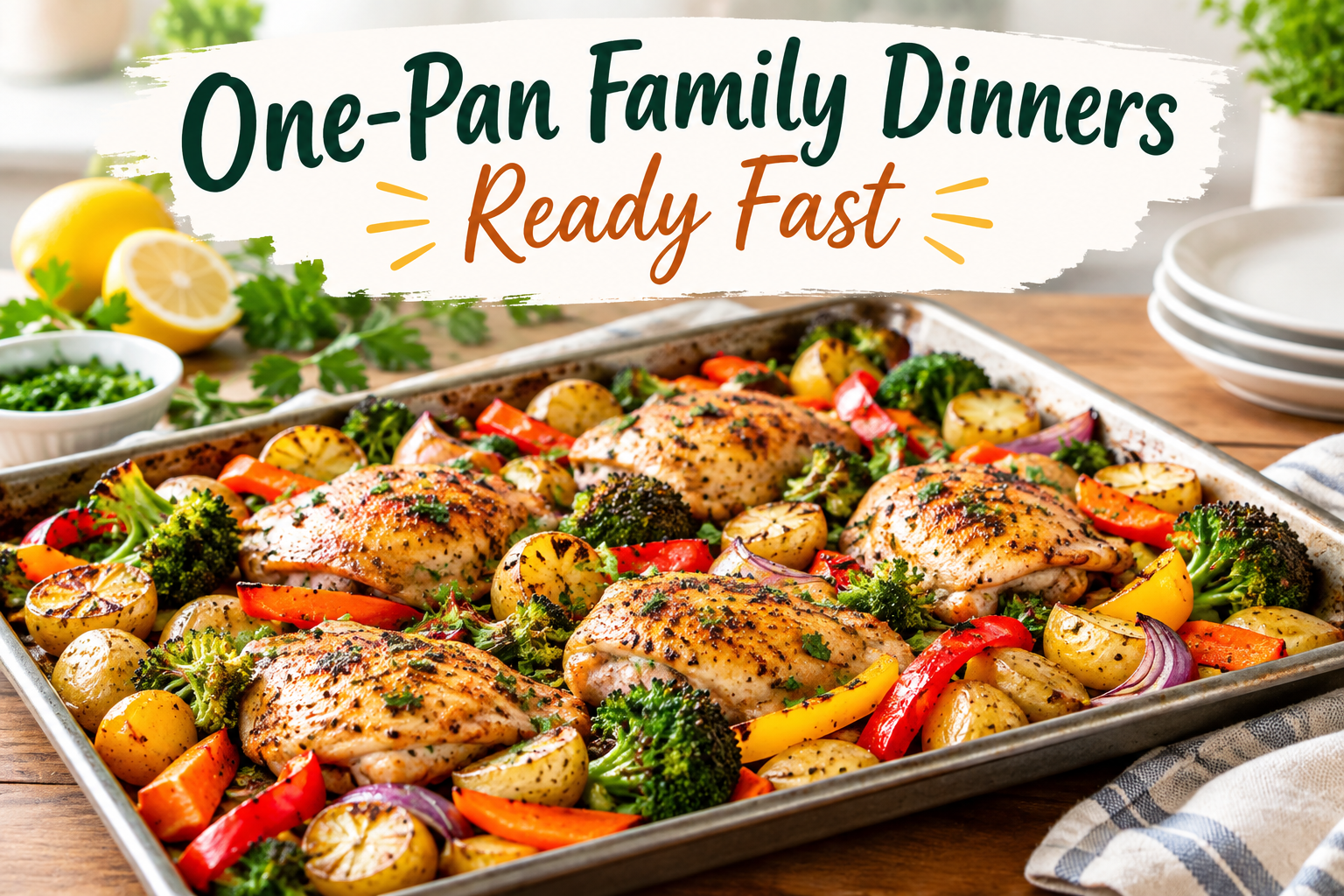
Discover 10 easy one-pan family dinners ready fast! Try quick, healthy, and delicious recipes perfect for busy weeknights with less cleanup.
One-Pan Family Dinners Ready Fast
When the clock is moving faster than you are, dinner can feel like a daily puzzle. You want something filling, nutritious, and genuinely enjoyable, but you also do not want to spend an hour chopping vegetables, cooking several separate dishes, and staring at a sink full of pans afterward. That is exactly where one-pan family dinners earn their place in a busy kitchen. With the right combination of protein, vegetables, grains, potatoes, or pasta, you can create a complete meal using one main cooking vessel and a handful of everyday ingredients. Recent recipe coverage continues to highlight sheet-pan and one-dish meals as practical choices for busy family evenings, especially recipes that can reach the table in about 30 minutes.
The real beauty of these dinners is not simply that they are fast. It is that they simplify the entire process from preparation to cleanup. You can toss chicken and vegetables with olive oil and seasonings, spread everything across a sheet pan, and let the oven do most of the work. Or you can use a large skillet to combine lean protein, vegetables, and rice into one satisfying dinner. The method is flexible enough for picky eaters, different dietary preferences, and whatever ingredients happen to be sitting in your refrigerator. If your goal is to get quick healthy meals for busy people on the table without making dinner feel like another exhausting chore, one-pan cooking is one of the easiest systems to build into your weekly routine.
Why One-Pan Family Dinners Are Perfect for Busy Nights
One-pan meals solve several problems at once. Instead of preparing chicken in one pan, vegetables in another, and rice or potatoes separately, you can often combine the components into a single cooking process. That means fewer utensils, fewer decisions, and less time standing beside the stove. For families, that matters because the hardest part of weeknight cooking is not always the actual cooking time; it is the sequence of small tasks that happens before and after it. Planning what to make, gathering ingredients, chopping, seasoning, cooking, serving, and cleaning can turn a supposedly simple dinner into a long evening.
There is also something satisfying about putting a complete meal on one tray or in one skillet. A sheet-pan dinner gives vegetables crispy edges while proteins roast alongside them, allowing their flavors to mingle. A skillet dinner can create a similar effect as onions, garlic, vegetables, protein, and grains cook together. Current family-dinner recipe roundups continue to emphasize this combination of convenience and variety, with one-pan shrimp, sheet-pan salmon, chicken, tofu, and other meals appearing among quick dinner ideas.
Less Cooking, Less Cleanup
Cleanup is often the hidden enemy of homemade dinner. You may not mind cooking a meal from scratch, but after everyone has eaten, the pile of bowls, cutting boards, frying pans, saucepans, and utensils can make the process feel much less appealing the next day. One-pan cooking reduces that cleanup burden because the main ingredients share the same cooking vessel. You still need a cutting board and knife for preparation, but the number of dishes generally drops dramatically.
The trick is to use the pan efficiently rather than simply putting everything onto it without thinking. Arrange ingredients so they have enough room to roast instead of steaming. If one ingredient takes longer to cook, give it a head start before adding quicker ingredients. This small adjustment can make a major difference in texture. A common frustration among home cooks is putting potatoes, vegetables, and meat on the pan at the same time and discovering that one component finishes long before another; the solution is usually to consider cooking time and ingredient size rather than relying on a universal 30-minute rule.
A Simple Way to Build a Balanced Dinner
A one-pan dinner can be much more than chicken and potatoes. Think of your pan as a blank canvas with three basic sections: protein, vegetables, and a satisfying carbohydrate or grain. Chicken, salmon, shrimp, turkey, lean beef, beans, tofu, or eggs can supply the protein. Broccoli, peppers, zucchini, carrots, green beans, Brussels sprouts, onions, mushrooms, tomatoes, and cauliflower can provide vegetables. Potatoes, sweet potatoes, rice, quinoa, whole-grain pasta, or another grain can round out the meal.
You do not need every component at every dinner, but this simple formula helps prevent the meal from becoming a plate of only meat or only starch. It also makes grocery shopping easier because you can mix and match ingredients rather than buying everything required for a complicated recipe. USDA MyPlate guidance similarly encourages planning meals around foods you already have, considering your available time, and choosing recipes that fit your family's schedule.
What Makes a Great One-Pan Family Dinner?
A successful one-pan meal is about timing as much as ingredients. The best recipes pair foods that can finish together without one component becoming dry while another remains undercooked. For example, thin chicken pieces cook faster than large potato chunks, while shrimp can become overcooked if placed in the oven for the same amount of time as dense root vegetables. Cutting ingredients into appropriately sized pieces helps synchronize cooking times and creates a much more reliable dinner.
Flavor matters just as much. Because the ingredients share the same pan, seasonings can spread across the meal, creating a cohesive taste without requiring several sauces. Garlic, lemon, paprika, Italian seasoning, oregano, cumin, chili powder, rosemary, soy sauce, Dijon mustard, and smoked paprika are simple ways to transform basic ingredients. A good one-pan dinner should feel intentional, not like several leftovers accidentally ended up together.
Choose Ingredients That Cook at Similar Speeds
Cooking speed is one of the most important secrets behind reliable sheet-pan dinners. Dense vegetables such as potatoes and carrots need more time than zucchini, tomatoes, spinach, or shrimp. If you want everything ready together, either cut slower-cooking foods into smaller pieces or start them first. You can also partially cook potatoes before adding delicate proteins and vegetables.
The same idea works with skillet dinners. Begin with ingredients that need the longest cooking time, such as onions, carrots, or raw ground meat. Add quick-cooking vegetables later, and finish with delicate ingredients such as spinach, herbs, or cooked grains. This approach gives you better texture while keeping the entire meal inside one pan.
Use Flavorful Seasonings and Simple Sauces
You do not need a refrigerator full of specialty sauces to make one-pan dinners exciting. A basic mixture of olive oil, lemon juice, garlic, paprika, salt, and black pepper can completely change roasted chicken and vegetables. A combination of soy sauce, honey, garlic, and ginger works beautifully with shrimp, chicken, or vegetables. Greek yogurt mixed with lemon and herbs can become a cool finishing sauce for Mediterranean-style meals.
Another useful trick is to divide flavor into stages. Season the protein before cooking, roast the vegetables with spices, and then add a fresh finishing ingredient after cooking. Lemon zest, chopped parsley, cilantro, green onions, grated Parmesan, avocado, or a squeeze of lime can make a simple meal taste much fresher.
10 One-Pan Family Dinner Ideas to Try
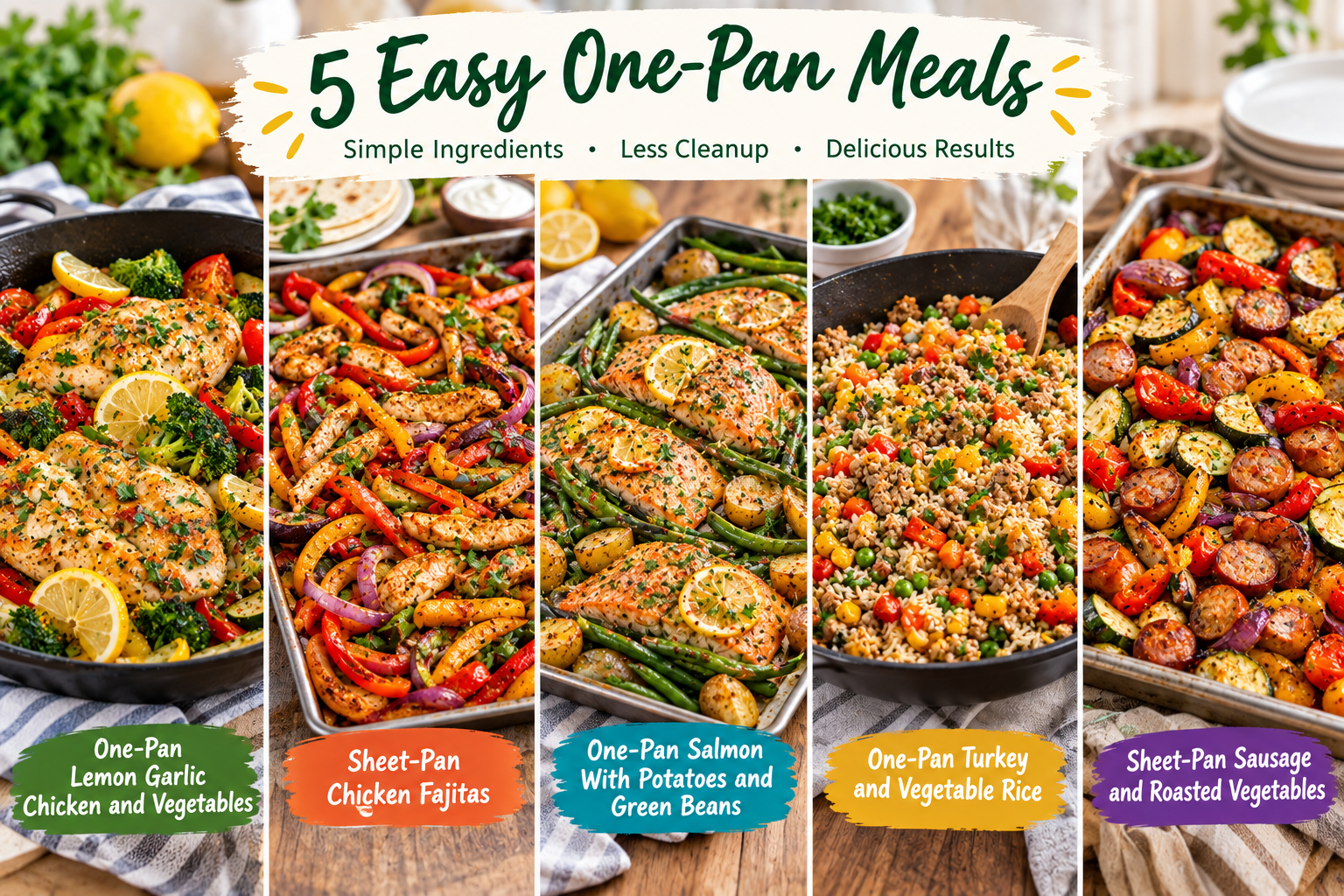
1: One-Pan Lemon Garlic Chicken and Vegetables
Lemon garlic chicken is one of those dinners that feels far more complicated than it actually is. Use boneless chicken thighs or chicken breasts, broccoli, bell peppers, zucchini, and small potatoes. Toss everything with olive oil, minced garlic, lemon juice, paprika, oregano, salt, and pepper, then arrange the ingredients across a large sheet pan. If you use potatoes, cut them into small pieces or give them a head start because they generally require more time than the chicken and softer vegetables.
The result is a colorful family dinner with savory chicken, caramelized vegetables, and bright lemon flavor. You can serve it exactly as it comes from the pan or add cooked brown rice for a heartier meal. It is also easy to adapt for children by keeping some vegetables lightly seasoned while giving the adults an extra squeeze of lemon or a sprinkle of chili flakes. For food safety, poultry should reach a minimum internal temperature of 165°F (74°C) when measured with a food thermometer.
2: Sheet-Pan Chicken Fajitas
Chicken fajitas are practically designed for one-pan cooking. Slice boneless chicken breasts or thighs into strips and combine them with bell peppers and onions. Toss everything with olive oil, lime juice, cumin, paprika, garlic powder, chili powder, and a little salt before spreading the mixture over a sheet pan. Roast until the chicken is cooked through and the peppers develop slightly charred edges.
To turn this into a family dinner, place warm whole-grain tortillas, salsa, avocado, shredded lettuce, Greek yogurt, and grated cheese on the table and let everyone build their own fajitas. This is particularly useful when family members have different preferences because the basic filling remains the same while toppings can be customized. You can also serve the fajita mixture over rice or quinoa if you want a bowl-style dinner instead of tortillas.
3: One-Pan Salmon With Potatoes and Green Beans
Salmon is another excellent protein for quick family dinners because it cooks relatively quickly and pairs beautifully with vegetables. For a simple sheet-pan meal, start small potatoes first because they need longer in the oven. After they begin to soften, add salmon fillets and green beans, then season everything with olive oil, garlic, lemon, black pepper, and herbs.
The finished meal combines tender salmon, crisp-edged potatoes, and roasted green beans without requiring separate pots. For extra flavor, brush the salmon with a small amount of Dijon mustard and honey before roasting. You can also replace green beans with asparagus, broccoli, or Brussels sprouts depending on the season. Current healthy dinner coverage includes sheet-pan salmon with potatoes and green beans as an example of a simple meal built around vegetables and salmon.
4:One-Pan Turkey and Vegetable Rice
For a comforting skillet dinner, try lean ground turkey with rice and vegetables. Brown the turkey in a large skillet, then add diced onion, bell peppers, garlic, tomatoes, seasonings, and uncooked rice along with the appropriate amount of broth. Cover and simmer until the rice becomes tender, stirring occasionally so the bottom does not stick.
This dinner is especially useful for busy families because it can be made with inexpensive pantry staples. Add black beans for extra fiber and protein, corn for sweetness, or spinach during the final few minutes of cooking. A little shredded cheese on top can make the meal more appealing to children without requiring another cooking vessel. Leftovers can also be packed for lunch the following day.
5: Sheet-Pan Sausage and Roasted Vegetables
Turkey or chicken sausage makes an easy protein choice for a busy weeknight because it can be paired with a variety of vegetables and seasonings. Combine sliced sausage with baby potatoes, bell peppers, onions, zucchini, and broccoli. Toss with olive oil, garlic powder, Italian seasoning, black pepper, and a small amount of paprika, then roast until the vegetables are tender and lightly browned.
The flexibility of this meal is what makes it useful. You can switch potatoes for sweet potatoes, use Brussels sprouts instead of broccoli, or add mushrooms when you have them available. If you are using a packaged sausage, check the nutrition label because sodium levels can vary considerably between products. A simple mustard or yogurt-herb sauce served at the table can add another layer of flavor.
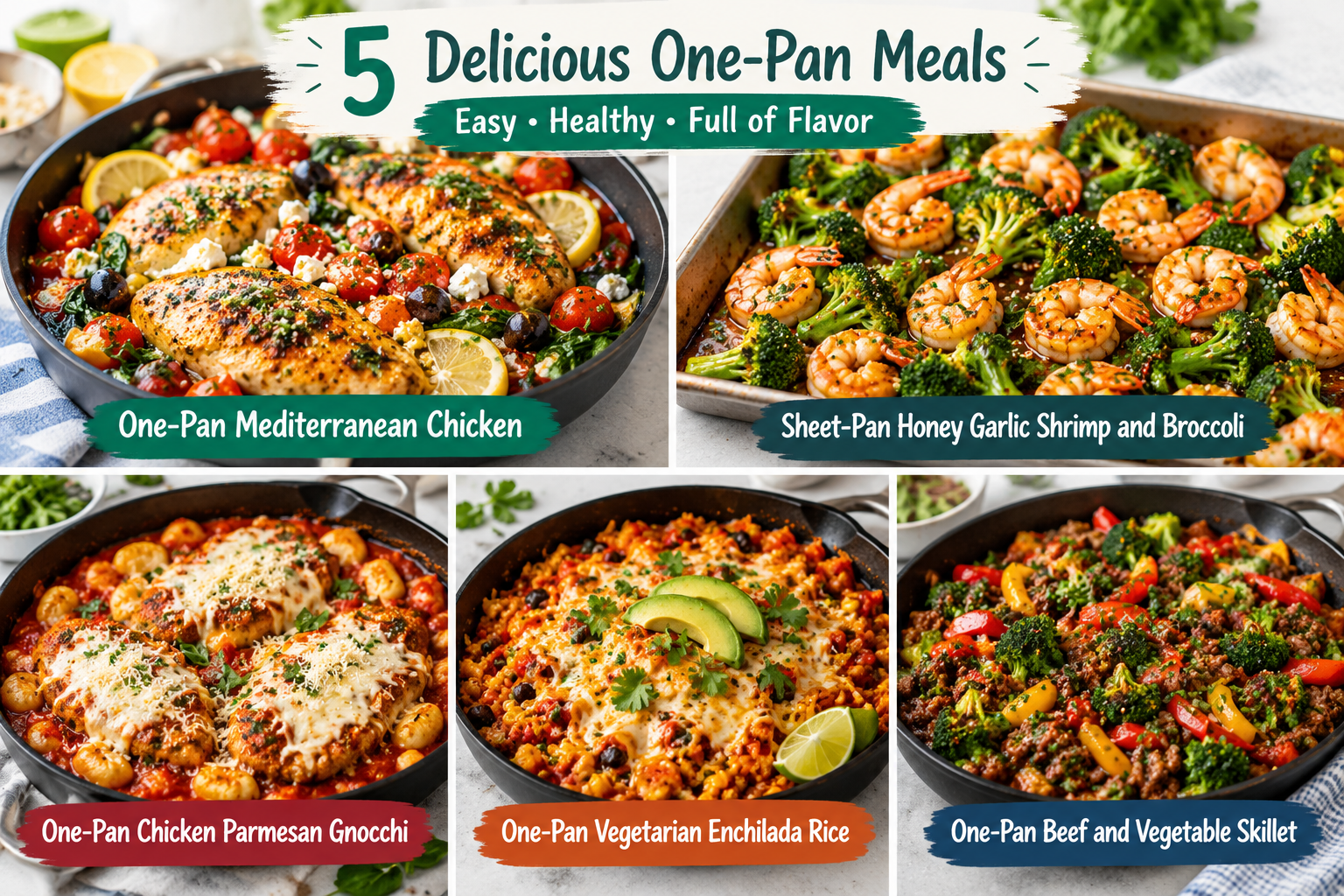
6: One-Pan Mediterranean Chicken
Mediterranean flavors work exceptionally well with one-pan cooking because ingredients such as tomatoes, olives, peppers, onions, garlic, lemon, and herbs naturally complement one another. Arrange chicken thighs or chicken breasts with cherry tomatoes, sliced red onion, zucchini, and bell peppers. Add olive oil, oregano, garlic, lemon juice, and black pepper before roasting.
Once the chicken is cooked, scatter feta cheese and fresh parsley over the top. Serve it with whole-grain couscous, quinoa, or warm pita if desired. The combination is colorful enough to make a weeknight dinner feel special without requiring complicated preparation. You can also use chickpeas instead of chicken for a vegetarian version.
7: Sheet-Pan Honey Garlic Shrimp and Broccoli
When you need dinner extremely quickly, shrimp can be a lifesaver. Because shrimp cooks much faster than potatoes or thick chicken pieces, pair it with vegetables that cook quickly, such as broccoli florets, bell peppers, asparagus, or zucchini. Toss the vegetables with a little oil and roast them briefly before adding the shrimp.
For the sauce, combine honey, garlic, low-sodium soy sauce, ginger, and a squeeze of lime. Add the shrimp to the pan and toss with the sauce before returning everything to the oven until the shrimp is opaque and cooked through. Serve over cooked rice or quinoa. The sweet-and-savory combination is family-friendly, while chili flakes or sriracha can be added to individual portions for adults who prefer more heat.
8: One-Pan Beef and Vegetable Skillet
Ground beef can become a fast and satisfying one-pan dinner when combined with plenty of vegetables and a simple tomato-based sauce. Brown lean ground beef in a large skillet, drain excess fat if necessary, and add onions, bell peppers, zucchini, diced tomatoes, garlic, paprika, and Italian seasoning. Simmer until the vegetables are tender and the flavors come together.
For a complete meal, stir in cooked whole-grain pasta, beans, or rice. You can also add a small amount of shredded cheddar or mozzarella at the end and cover the skillet until the cheese melts. This recipe is especially helpful when you have vegetables that need to be used before they spoil. Rather than following a rigid ingredient list, think of it as a flexible formula that changes with whatever is available.
9: One-Pan Chicken Parmesan Gnocchi
Chicken Parmesan and gnocchi come together beautifully in a skillet. Start by browning bite-size pieces of chicken with olive oil, garlic, Italian seasoning, and black pepper. Add shelf-stable or refrigerated gnocchi, marinara sauce, and a splash of water or broth, then simmer until the gnocchi becomes tender.
Finish the dish with mozzarella and Parmesan and place the skillet under the broiler briefly if your pan is oven-safe. The result is creamy, cheesy, tomato-rich comfort food without boiling pasta in another pot. Add spinach, mushrooms, or chopped zucchini to increase the vegetable content. This is a particularly good option for nights when the family wants something comforting but you still want dinner to involve some vegetables.
10: One-Pan Vegetarian Enchilada Rice
A vegetarian one-pan dinner does not have to feel like a side dish. Combine cooked or quick-cooking rice with black beans, corn, bell peppers, diced tomatoes, enchilada sauce, cumin, garlic, and chili powder in a large skillet. Simmer until everything is hot and the flavors blend together, then top with shredded cheese.
Serve the skillet with avocado, cilantro, lime wedges, or plain Greek yogurt. The beans provide a satisfying source of plant protein, while the vegetables bring color and texture. You can also use quinoa instead of rice or add chopped spinach during cooking. This recipe is ideal for families because everyone can customize the final bowl with different toppings.
How to Make One-Pan Dinners Cook Faster
Speed begins before the oven or stove is turned on. Wash and chop vegetables in advance, portion proteins, and keep frequently used seasonings together. If you know that Tuesday evening is always hectic, preparing vegetables on Monday can make the next dinner dramatically easier. Meal planning does not have to mean cooking every meal in advance; sometimes it simply means removing the most time-consuming steps from the busiest part of the day.
Ingredient size also matters. Cutting chicken into evenly sized pieces helps it cook more consistently, while cutting potatoes smaller can reduce their cooking time. Avoid overcrowding the sheet pan because tightly packed ingredients release moisture and can steam rather than roast. A little space between ingredients encourages browning and gives you better texture. Current home-cooking discussions also show that cooks frequently adjust ingredient size or stagger ingredients to solve the problem of different foods finishing at different times.
How to Make One-Pan Meals Healthier
Healthy one-pan dinners do not require expensive superfoods or complicated substitutions. Start by choosing a protein you enjoy, then add at least two types of vegetables. Use olive oil in a moderate amount and rely on herbs, spices, garlic, citrus, vinegar, and fresh herbs to create flavor. When adding grains or starches, consider whole grains, potatoes with their skins, beans, or other minimally processed options when they suit the meal.
Portion balance can make a simple dinner more satisfying without making it heavy. Instead of filling most of the pan with pasta and adding a small amount of vegetables, reverse the approach by making vegetables a major part of the meal. Include enough protein to keep the dinner filling and use carbohydrates according to your family's appetite and needs. This flexible approach is easier to maintain than trying to make every dinner follow a strict nutritional formula.
Another advantage is that roasting can make vegetables appealing even to people who usually avoid them. High-heat cooking brings out natural sweetness and creates browned edges, changing the texture completely. Broccoli becomes crisp around the edges, carrots become sweeter, and onions become soft and caramelized. If your children dislike steamed vegetables, roasted vegetables may be worth trying.
How to Keep One-Pan Family Dinners Interesting
Eating the same chicken-and-vegetable combination every Tuesday can become boring quickly. The easiest way to create variety is to change the flavor profile, not necessarily the entire shopping list. The same chicken, peppers, onions, and broccoli can become Mediterranean with oregano and lemon, Mexican-inspired with cumin and chili powder, Asian-inspired with ginger and soy sauce, or Italian-style with garlic, herbs, and tomato sauce.
Sauces and toppings can also make leftovers feel like a new meal. Turn leftover roasted chicken into wraps with lettuce and yogurt sauce, add it to a grain bowl, or place it over a salad. Leftover roasted vegetables can become omelet fillings, quesadilla ingredients, or toppings for whole-grain toast. This approach reduces food waste and saves time because part of tomorrow's meal is already cooked.
Family involvement can make these meals more enjoyable too. Let children choose between two vegetables or select a topping for their portion. A build-your-own fajita, rice bowl, or Mediterranean plate gives everyone some control without requiring you to cook separate meals. Dinner becomes less of a negotiation and more of a shared activity.
One-Pan Dinner Meal Prep Tips
Meal prep does not have to mean spending your entire Sunday cooking. A practical approach is to prepare ingredients rather than complete meals. Chop onions and peppers, wash broccoli, portion chicken, and mix one or two sauces in advance. Store everything safely in the refrigerator so that the actual cooking process during the week becomes mostly assembly.
You can also create a simple rotation of flavor combinations. For example, keep chicken, frozen vegetables, rice, and tortillas available as flexible staples. One night, turn them into fajitas. Another night, use the chicken with Mediterranean vegetables and couscous. Later in the week, combine the leftovers with rice and a quick sauce. USDA MyPlate recommends checking what you already have, writing down meals for the week, and considering your available time when planning meals.
When preparing meals ahead, food safety matters just as much as convenience. Refrigerate cooked food promptly and use appropriate storage containers. Keep raw meat separate from foods that will be eaten without further cooking, and clean cutting boards and utensils after handling raw poultry. USDA guidance emphasizes the importance of cleaning, separating raw foods, cooking poultry to 165°F, and refrigerating foods promptly.
Common Mistakes to Avoid
The biggest mistake with one-pan cooking is assuming that every ingredient should go into the pan at exactly the same time. Cooking is not a race where every ingredient follows one universal timer. Potatoes, carrots, chicken thighs, salmon, shrimp, and zucchini all behave differently. Understanding those differences is what turns a one-pan dinner from frustrating into reliable.
Another mistake is overcrowding the pan. If vegetables are piled on top of each other, they release moisture and may become soft instead of roasted. Use a larger sheet pan when necessary and leave some space between ingredients. You can also use two sections of the pan for ingredients with different cooking times and add faster-cooking foods later.
Finally, do not judge doneness only by appearance when cooking meat or poultry. A browned exterior does not automatically mean the center has reached a safe temperature. USDA FSIS recommends using a food thermometer and cooking poultry to a minimum internal temperature of 165°F.
Conclusion
One-pan family dinners ready fast are more than a convenient recipe trend; they are a practical way to simplify weeknight cooking. When you combine a protein, colorful vegetables, and a satisfying starch or grain in one pan, you can create meals that are flavorful, flexible, and easier to clean up afterward. The key is not to throw everything together and hope for the best. Choose ingredients with compatible cooking times, cut slower-cooking foods smaller, stagger ingredients when needed, avoid overcrowding, and finish the meal with fresh herbs, citrus, or a simple sauce.
The biggest benefit is flexibility. You can turn chicken, vegetables, and potatoes into a lemon-garlic dinner one night and transform similar ingredients into fajitas the next. You can use shrimp when you need something especially fast, salmon when you want a lighter dinner, or beans and vegetables when you want a meat-free option. One-pan cooking also works beautifully for leftovers, meal prep, and budget-conscious grocery shopping because the same basic ingredients can be reused in different flavor combinations.
So, the next time the evening feels chaotic and dinner seems like one more thing on an endless list, reach for a sheet pan or large skillet. Less prep, fewer dishes, flexible ingredients, and a complete family meal can make the difference between ordering takeout and enjoying a homemade dinner without the usual kitchen marathon.
FAQs
1. What is the easiest one-pan family dinner for beginners?
A sheet-pan chicken and vegetable dinner is one of the easiest places to start. Use boneless chicken, broccoli, bell peppers, zucchini, and small potatoes, then season everything with olive oil, garlic, paprika, salt, pepper, and lemon. The important thing is to cut the ingredients into similarly sized pieces and give potatoes a head start if needed. Always check chicken with a food thermometer and make sure it reaches 165°F for safe cooking.
2. Can I make one-pan family dinners in under 30 minutes?
Yes, many one-pan meals can be completed in around 30 minutes, especially when you choose quick-cooking proteins such as shrimp, thin chicken pieces, salmon, or pre-cooked ingredients. Preparation time can be reduced further by using pre-cut vegetables or chopping ingredients earlier in the day. Recent recipe collections continue to feature one-pan and sheet-pan dinners designed around short cooking times for busy evenings.
3. How do I stop vegetables from becoming soggy on a sheet pan?
Avoid overcrowding the pan and spread vegetables into a single layer. Excess moisture needs room to escape, while enough space allows hot air to circulate around the ingredients. You should also avoid adding delicate vegetables too early if they cook much faster than the protein or potatoes. Cutting vegetables according to their cooking time can make a significant difference in the final texture.
4. Can I prepare one-pan dinners ahead of time?
Yes. Instead of fully cooking every meal in advance, prepare the ingredients ahead of time. Chop vegetables, portion proteins, prepare sauces, and measure seasonings so the dinner can be assembled quickly when you need it. For cooked foods, follow safe refrigeration practices and keep raw poultry separate from foods that will not be cooked again.
5. Are one-pan dinners healthy for the whole family?
They can be an excellent foundation for a balanced family dinner. Include a protein source, plenty of vegetables, and a suitable carbohydrate or whole-grain option, then control added oils, sauces, and highly processed ingredients according to your preferences. The biggest advantage is flexibility: you can adjust vegetables, proteins, grains, and seasonings without changing the basic one-pan cooking method. Meal planning around foods you already have can also help make healthy home cooking more practical and budget-friendly.
Comments
0No comments yet — be the first to share your thoughts!