10 Mediterranean Diet Recipes for Beginners | Easy & Healthy Meals
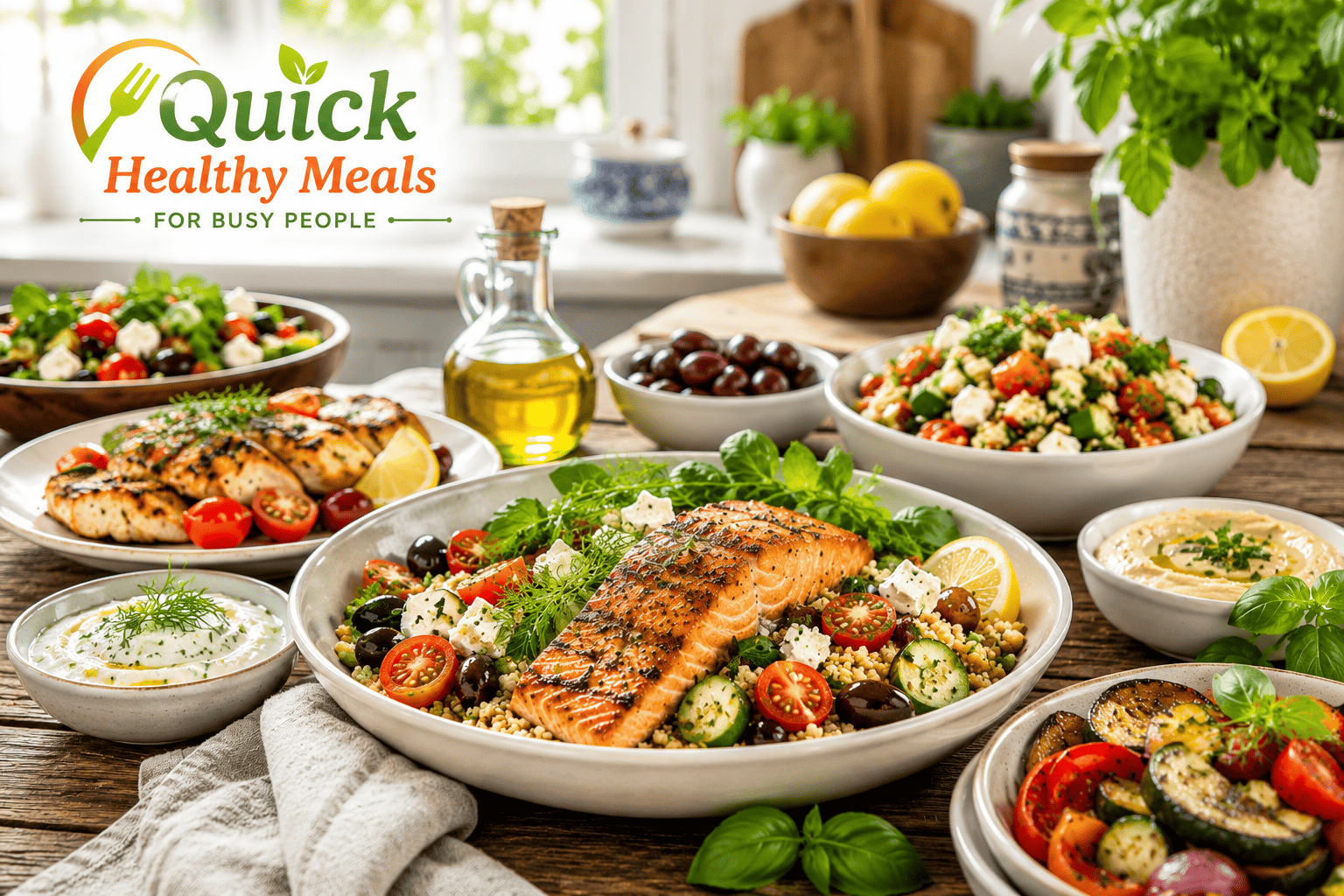
Discover 10 easy Mediterranean diet recipes for beginners. Learn healthy, delicious meals with simple ingredients to support heart health, weight loss, and everyday nutrition.
10 Mediterranean Diet Recipes for Beginners
The Mediterranean diet has remained one of the world's most recommended eating patterns because it focuses on fresh vegetables, fruits, whole grains, legumes, healthy fats, and lean proteins instead of processed foods. Recent nutrition guidance from registered dietitians continues to highlight this lifestyle as one of the easiest long-term eating plans to follow because it does not require calorie counting or eliminating entire food groups. Research also links it with improved heart health, better blood sugar control, and sustainable weight management.
If you're completely new to healthy eating, the good news is that you don't need complicated recipes or expensive ingredients. Most Mediterranean meals rely on simple pantry staples like olive oil, tomatoes, beans, herbs, whole grains, yogurt, fish, and seasonal vegetables. The ten recipes below are beginner-friendly, affordable, and can easily become part of your weekly meal rotation.
Why the Mediterranean Diet Is Perfect for Beginners
Starting a new way of eating often feels overwhelming, especially when many popular diets involve strict rules and long lists of forbidden foods. The Mediterranean diet is different because it encourages balance instead of restriction. Rather than focusing on what you cannot eat, it emphasizes adding more nutrient-rich foods to your meals. This makes the transition feel natural and enjoyable instead of stressful.
Health experts continue to recommend this eating pattern because it supports long-term wellness. Meals are built around vegetables, fruits, legumes, whole grains, nuts, seeds, olive oil, and lean proteins like fish and chicken. Added sugars, highly processed foods, and red meat are enjoyed only occasionally. This flexible approach makes it easier for beginners to stick with healthy habits over time.
Essential Mediterranean Pantry Staples
Before preparing these recipes, stock your kitchen with ingredients that you'll use repeatedly.
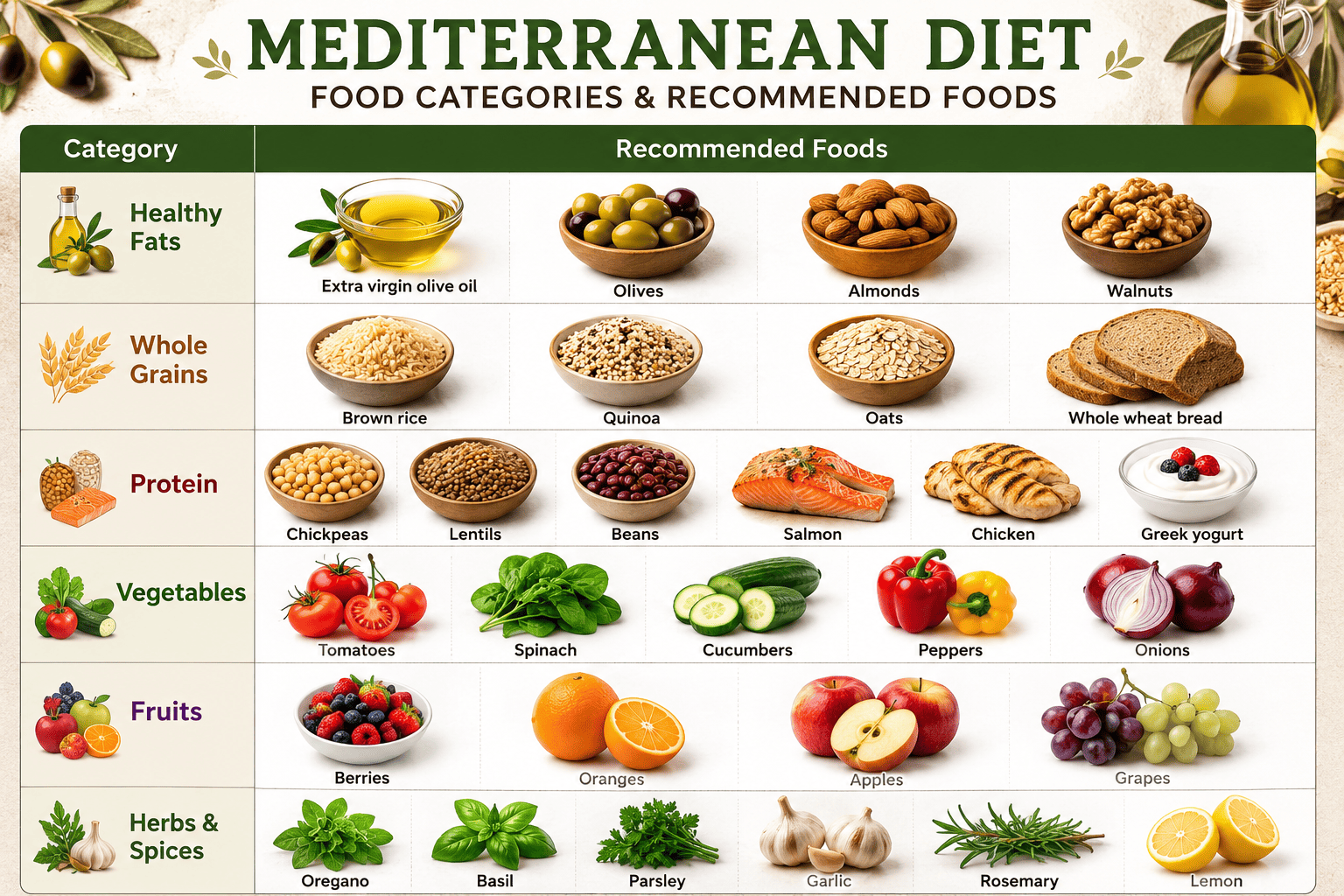
Having these ingredients available makes healthy cooking much easier throughout the week.
1. Greek Yogurt Berry Breakfast Bowl
Breakfast doesn't have to be complicated. A bowl of plain Greek yogurt topped with fresh berries, chopped almonds, walnuts, chia seeds, and a drizzle of honey creates a balanced meal packed with protein, fiber, antioxidants, and healthy fats. Add rolled oats or homemade granola if you'd like extra texture and longer-lasting energy.
This breakfast takes less than five minutes to prepare, making it ideal for busy mornings. Greek yogurt provides protein that helps keep you full, while berries deliver vitamin C and powerful antioxidants. Nuts contribute heart-healthy unsaturated fats, which are a defining feature of Mediterranean eating. The combination is naturally satisfying without relying on sugary cereals or pastries.
2. Avocado & Tomato Whole Grain Toast
Whole grain toast topped with mashed avocado, sliced tomatoes, fresh basil, cracked black pepper, and a drizzle of extra virgin olive oil creates a colorful breakfast or light lunch. Sprinkle feta cheese or pumpkin seeds for additional flavor and nutrition.
This recipe perfectly demonstrates the Mediterranean philosophy of using simple ingredients that complement one another. Whole grains provide fiber, avocado supplies healthy monounsaturated fats, and tomatoes are rich in lycopene, a beneficial antioxidant. Fresh herbs brighten every bite without adding excess sodium.
3. Mediterranean Chickpea Salad
Combine canned chickpeas, diced cucumber, cherry tomatoes, red onion, olives, parsley, crumbled feta cheese, olive oil, lemon juice, oregano, salt, and black pepper.
Mix everything together and refrigerate for about twenty minutes before serving. The flavors become richer as the ingredients marinate in the lemon dressing. Serve it alone for lunch or alongside grilled chicken or fish.
Chickpeas are one of the easiest plant proteins for beginners because they require almost no preparation when using canned varieties. They also provide fiber that promotes fullness while supporting digestive health. This salad stores well in the refrigerator, making it excellent for meal prep
4. Lemon Garlic Grilled Chicken
If you're looking for a simple dinner that feels fresh and satisfying, lemon garlic grilled chicken is a perfect place to start. Boneless, skinless chicken breasts are marinated in a mixture of extra virgin olive oil, fresh lemon juice, minced garlic, oregano, paprika, black pepper, and a pinch of sea salt. Let the chicken marinate for at least 30 minutes, although two hours will allow the flavors to penetrate even deeper. Grill the chicken over medium heat for about six to seven minutes per side, depending on thickness, until the internal temperature reaches 165°F (74°C). Serve it alongside roasted vegetables, a fresh Greek salad, or brown rice for a complete Mediterranean-inspired meal.
One of the reasons this recipe is ideal for beginners is that it requires very little cooking experience while delivering restaurant-quality flavor. Lemon brightens the chicken naturally, garlic adds depth, and oregano provides the classic Mediterranean aroma that makes every bite memorable. Unlike heavily processed marinades that often contain added sugars and preservatives, this homemade version uses wholesome ingredients that support heart health. Olive oil provides healthy monounsaturated fats, while chicken offers lean protein that helps maintain muscle and keeps you feeling full for hours. Preparing extra portions is also a smart strategy because leftovers can be sliced into salads, wraps, or grain bowls throughout the week, saving both time and money.
5. Mediterranean Quinoa Bowl
A Mediterranean quinoa bowl is one of the easiest meals to customize according to your tastes and whatever ingredients you already have in your refrigerator. Begin by cooking one cup of quinoa according to the package directions. Once cooled slightly, layer it into a bowl with chopped cucumbers, cherry tomatoes, baby spinach, roasted zucchini, chickpeas, sliced olives, red onions, and crumbled feta cheese. Finish everything with a dressing made from olive oil, lemon juice, Dijon mustard, garlic, oregano, and a little black pepper. Toss gently before serving so every ingredient is coated with the fresh citrus dressing.
This colorful bowl demonstrates exactly why the Mediterranean diet has remained popular for decades. Every ingredient contributes something valuable, whether it's fiber from quinoa, protein from chickpeas, vitamins from fresh vegetables, or healthy fats from olive oil. Instead of relying on creamy sauces, the dressing highlights the natural flavors of the vegetables without making the meal heavy. Another advantage is flexibility. Beginners often worry about following recipes perfectly, but this bowl encourages creativity. Swap quinoa for brown rice, add grilled shrimp instead of chickpeas, or include seasonal vegetables depending on what's available. It is an excellent meal-prep option because the ingredients stay fresh for several days when stored separately, making healthy lunches quick and convenient.
6. Baked Salmon with Herbs
Salmon is one of the signature proteins of the Mediterranean diet because it naturally contains omega-3 fatty acids that support heart and brain health. Preparing it is surprisingly simple. Place fresh salmon fillets on a baking tray lined with parchment paper and drizzle them with extra virgin olive oil. Sprinkle minced garlic, chopped parsley, fresh dill, oregano, black pepper, and thin lemon slices over the top. Bake at 400°F (200°C) for approximately 12 to 15 minutes until the fish flakes easily with a fork. Pair it with steamed broccoli, roasted asparagus, or quinoa to create a balanced meal.
Many beginners assume cooking fish is difficult, but salmon is one of the most forgiving options because it stays moist and flavorful even with minimal seasoning. The combination of herbs and citrus enhances the natural richness of the fish without overpowering it. Omega-3 fats found in salmon have been associated with improved cardiovascular health, while the high-quality protein supports muscle maintenance and recovery. Including fish once or twice a week is a cornerstone of Mediterranean eating, making this recipe a practical habit to build into your routine. Leftover baked salmon can also be flaked into salads or whole-grain wraps, ensuring that nothing goes to waste.
7. Vegetable Lentil Soup
A warm bowl of vegetable lentil soup offers comfort while delivering an impressive amount of nutrition. Begin by sautéing diced onions, carrots, celery, and garlic in olive oil until softened. Add dried lentils, diced tomatoes, vegetable broth, spinach, oregano, thyme, paprika, and black pepper. Allow the soup to simmer gently for around 35 to 40 minutes until the lentils become tender. Just before serving, squeeze in fresh lemon juice and garnish with chopped parsley for a bright finish.
Lentils are among the most affordable sources of plant-based protein, making them an excellent ingredient for beginners who want to eat healthier without increasing their grocery budget. They are naturally rich in fiber, iron, potassium, and several B vitamins that support overall health. This soup also illustrates another important Mediterranean principle: vegetables are not side dishes but the foundation of the meal. Every spoonful provides a satisfying combination of protein, fiber, and vegetables that helps maintain fullness for hours. Preparing a large pot on the weekend means you'll have nutritious lunches ready throughout the week, reducing the temptation to rely on fast food during busy days.
8. Whole Wheat Pasta Primavera
Many people believe they must completely avoid pasta when trying to eat healthier, but the Mediterranean diet proves otherwise. Whole wheat pasta can absolutely be part of a balanced lifestyle when paired with vegetables and healthy fats. Cook whole wheat pasta until al dente while sautéing zucchini, broccoli, bell peppers, mushrooms, cherry tomatoes, garlic, and spinach in olive oil. Toss the cooked pasta together with the vegetables, fresh basil, parsley, lemon zest, and a small amount of grated Parmesan cheese before serving.
This recipe transforms pasta from a heavy comfort food into a colorful, nutrient-rich meal. Whole wheat pasta provides more fiber than traditional refined pasta, helping you stay satisfied longer while supporting healthy digestion. The generous amount of vegetables increases the meal's vitamin, mineral, and antioxidant content without dramatically increasing calories. Fresh herbs replace heavy cream sauces, allowing the natural flavors of the ingredients to shine. Beginners often appreciate this recipe because it feels familiar while introducing healthier cooking techniques that can easily become everyday habits.
9. Stuffed Bell Peppers
Stuffed bell peppers combine vegetables, whole grains, and lean protein into one delicious meal. Slice colorful bell peppers in half and remove the seeds. Prepare the filling by combining cooked brown rice, lean ground turkey or lentils, diced tomatoes, onions, garlic, spinach, herbs, and a small amount of feta cheese. Fill each pepper generously before baking at 375°F (190°C) for about 35 to 40 minutes until the peppers become tender and the filling is heated through.
This recipe demonstrates how Mediterranean meals focus on balance rather than restriction. Bell peppers provide vitamin C and antioxidants, brown rice contributes complex carbohydrates, and the protein-rich filling creates a satisfying dinner suitable for the entire family. The recipe is also highly adaptable because you can substitute quinoa for rice, chickpeas for turkey, or add mushrooms and zucchini depending on personal preferences. Leftover stuffed peppers reheat beautifully, making them another excellent option for meal preparation. Once beginners become comfortable with this recipe, they often enjoy experimenting with different herbs, vegetables, and protein combinations.
10. Mediterranean Fruit & Nut Snack Plate
Healthy snacking doesn't have to involve packaged protein bars or highly processed crackers. A Mediterranean snack plate combines naturally nutritious ingredients into a satisfying mini meal. Arrange sliced apples, grapes, strawberries, almonds, walnuts, pistachios, olives, cucumber slices, and a small portion of hummus or Greek yogurt on a plate. If desired, include a small piece of whole-grain pita bread for extra fiber.
This snack reflects the Mediterranean philosophy of choosing whole foods whenever possible. Fresh fruit provides natural sweetness, vitamins, and antioxidants, while nuts contribute healthy fats and plant protein that help reduce hunger between meals. Hummus adds extra fiber and protein thanks to chickpeas, making the snack both delicious and filling. Preparing snack plates ahead of time also helps prevent impulsive choices when hunger strikes. Instead of reaching for chips or sugary treats, you'll have a colorful assortment of wholesome foods ready to enjoy.
Common Beginner Mistakes
Starting the Mediterranean diet is relatively simple, but avoiding a few common mistakes can make your journey much more successful. One frequent misconception is assuming that any food labeled "Mediterranean" is automatically healthy. Restaurant dishes may contain excessive sodium, butter, or refined ingredients that don't reflect the traditional eating pattern. Another mistake is forgetting portion sizes. While olive oil, nuts, and cheese are nutritious, they are also calorie-dense and should be enjoyed in moderation.
Another challenge beginners face is changing everything overnight. Instead of replacing every meal immediately, begin with one Mediterranean-inspired recipe each day. Gradually add more vegetables, switch refined grains to whole grains, and replace processed snacks with fruit or nuts. Consistency matters much more than perfection. Small improvements made every day often produce far better long-term results than dramatic changes that become difficult to maintain. Remember that the Mediterranean diet is a lifestyle built around enjoyable, nourishing foods rather than a temporary diet with strict rules
Conclusion
The Mediterranean diet is much more than a collection of recipes—it's a sustainable way of eating that encourages balance, variety, and enjoyment. Instead of relying on restrictive rules or expensive specialty foods, it focuses on everyday ingredients like vegetables, fruits, whole grains, legumes, olive oil, lean proteins, and fresh herbs. These foods work together to provide essential nutrients while creating flavorful meals that are satisfying and easy to prepare.
The ten beginner-friendly recipes in this guide prove that healthy eating doesn't have to be complicated. Whether you start your day with a Greek Yogurt Berry Breakfast Bowl, enjoy a Mediterranean Chickpea Salad for lunch, or finish with Baked Salmon with Herbs for dinner, each meal helps you build healthier habits one step at a time. Preparing meals at home also gives you greater control over ingredients, portion sizes, and overall nutrition.
Success with the Mediterranean diet comes from consistency rather than perfection. Start by replacing one processed meal each day with a homemade Mediterranean-inspired recipe. Keep your pantry stocked with staples such as extra virgin olive oil, whole grains, beans, lentils, nuts, and fresh produce, and experiment with different herbs and vegetables throughout the seasons. Over time, these small changes can become lasting habits that support heart health, energy levels, and overall well-being while allowing you to enjoy delicious food every day.
Frequently Asked Questions (FAQs)
1. Is the Mediterranean diet good for weight loss?
Yes. The Mediterranean diet can support healthy, sustainable weight loss because it emphasizes nutrient-dense, high-fiber foods and lean proteins that help keep you full for longer. Rather than focusing on strict calorie restriction, it encourages balanced eating habits that are easier to maintain over time.
2. Can beginners follow the Mediterranean diet on a budget?
Absolutely. Many Mediterranean staples, including beans, lentils, oats, brown rice, seasonal vegetables, canned tuna, eggs, and frozen fruits, are affordable and widely available. Buying produce in season and planning meals in advance can help reduce grocery costs even further.
3. How often should I eat fish on the Mediterranean diet?
Most nutrition experts recommend eating fish, especially fatty fish like salmon, sardines, or trout, at least two times per week. These fish are rich in omega-3 fatty acids, which support heart and brain health.
4. Can I meal prep Mediterranean recipes?
Yes. Many Mediterranean recipes are excellent for meal prep. Dishes like chickpea salad, lentil soup, quinoa bowls, grilled chicken, and stuffed peppers can be prepared in advance and stored in the refrigerator for several days, making healthy eating much more convenient.
5. What foods should I limit on the Mediterranean diet?
Try to limit processed foods, sugary drinks, refined grains, processed meats, excessive sweets, and heavily fried foods. Instead, choose whole, minimally processed ingredients and use extra virgin olive oil as your primary source of added fat
Comments
0No comments yet — be the first to share your thoughts!