10 High-Protein Pizza Ideas for a Healthy, Tasty Meal

Discover 10 high-protein pizza ideas featuring chicken, turkey, shrimp, cottage cheese, and plant-based toppings for delicious, balanced meals.
What Makes a Pizza High in Protein?
Pizza is usually associated with cheese, dough, and plenty of toppings, but that does not mean it has to be low in protein. A typical cheese pizza can provide a moderate amount of protein, yet you can dramatically increase the protein content by changing the crust, sauce and toppings. Recent high-protein pizza recipes commonly use ingredients such as chicken breast, Greek yogurt, cottage cheese, lean beef, turkey, beans and higher-protein cheeses. One recent collection of high-protein pizzas, for example, defines a high-protein meal as providing at least 20 grams of protein per serving, with several of its pizzas providing substantially more.
The easiest way to think about a high-protein pizza is to treat the crust as the foundation and the toppings as the building blocks. Instead of relying entirely on mozzarella for protein, combine two or three protein sources. A Greek-yogurt-based crust topped with chicken and mozzarella is a simple example. You can also use whole-grain flatbread, a tortilla, chickpea-based crust or another higher-protein base depending on your dietary preferences. Cleveland Clinic recommends options such as whole-grain crust, whole-wheat pita, whole-grain tortillas and cauliflower crust when building a more nutritious pizza.
The goal is not to turn pizza into a boring “fitness food.” It is to make small changes that give every bite more nutritional value while keeping the cheesy, saucy comfort you expect from pizza. That balance is what makes these ideas practical for busy weeknights.
Protein-Rich Crusts
The crust is one of the biggest opportunities to upgrade a pizza. Traditional pizza dough is primarily made from flour, so while it contributes some protein, it is usually not the main protein source in the meal. A protein-focused crust can change that. Greek yogurt dough is particularly convenient because plain Greek yogurt can be combined with self-rising flour to create a quick homemade base. A dietitian-developed high-protein pizza recipe uses Greek yogurt or cottage cheese in its dough and combines it with chicken and mozzarella, demonstrating how the crust itself can contribute to the protein goal.
You do not have to make homemade dough every time, though. Whole-wheat pita, high-protein flatbread, whole-grain tortillas and other convenient bases can turn pizza into a fast lunch or dinner. If you are feeding a family, regular whole-wheat pizza dough can still work perfectly well because you can make up for its lower protein content with the toppings. The important thing is to avoid thinking that a “healthy” pizza requires one specific type of crust.
Another option is a chicken-based crust, which has become popular among people looking for a very high-protein, lower-carbohydrate pizza. Recent recipe testing has focused on improving the texture of chicken crusts so they remain crisp outside and tender inside rather than becoming dry or rubbery.
High-Protein Toppings
Once the crust is selected, toppings become your protein toolbox. Chicken breast is one of the easiest choices because it is lean, mild in flavor and works with tomato sauce, pesto, buffalo sauce and barbecue-inspired combinations. Turkey, lean beef, shrimp, eggs, tofu and beans are also useful options. The USDA's MyPlate guidance recognizes meat, poultry, seafood, eggs, beans, peas, lentils, nuts, seeds and soy foods as protein-food choices, giving you plenty of possibilities beyond traditional pepperoni and sausage.
Cheese can contribute meaningful protein too, but it is usually better to think of it as one part of the topping combination rather than the entire strategy. Mozzarella, cottage cheese, ricotta, feta and Parmesan can all add different textures and flavors. Cottage cheese is especially useful when blended into a creamy sauce or incorporated into a pizza base.
For plant-based pizzas, black beans, chickpeas, lentils, tofu and edamame can add protein while also bringing fiber. Recent nutrition guidance highlights lentils, black beans, edamame and chickpeas as foods that can provide both protein and fiber.
Why Choose High-Protein Pizza?
High-protein pizza can be a smart way to make a favorite comfort food more satisfying. Protein is one of the nutrients your body needs as part of a balanced diet, and current U.S. dietary guidance encourages including a variety of protein foods throughout the diet. The CDC's current healthy-eating guidance specifically recommends prioritizing protein foods at meals and choosing a variety of sources, including meat, poultry, seafood, eggs, beans, lentils, nuts, seeds and soy.
That does not mean every pizza needs to contain a huge amount of protein. Your nutritional needs depend on factors such as age, body size, activity level and overall diet. Instead, a high-protein pizza can simply be a convenient meal that combines a protein source with vegetables, grains and other ingredients. For busy people, that combination can be especially useful because pizza can bring several food groups together in one easy meal.
Homemade pizza also gives you control. You decide how much cheese to use, which protein to add, how many vegetables go on top and how much sauce is needed. Cleveland Clinic recommends emphasizing vegetables, choosing lean proteins and being mindful of processed meats and high-sodium toppings when making pizza at home.
How Protein Fits Into a Balanced Meal
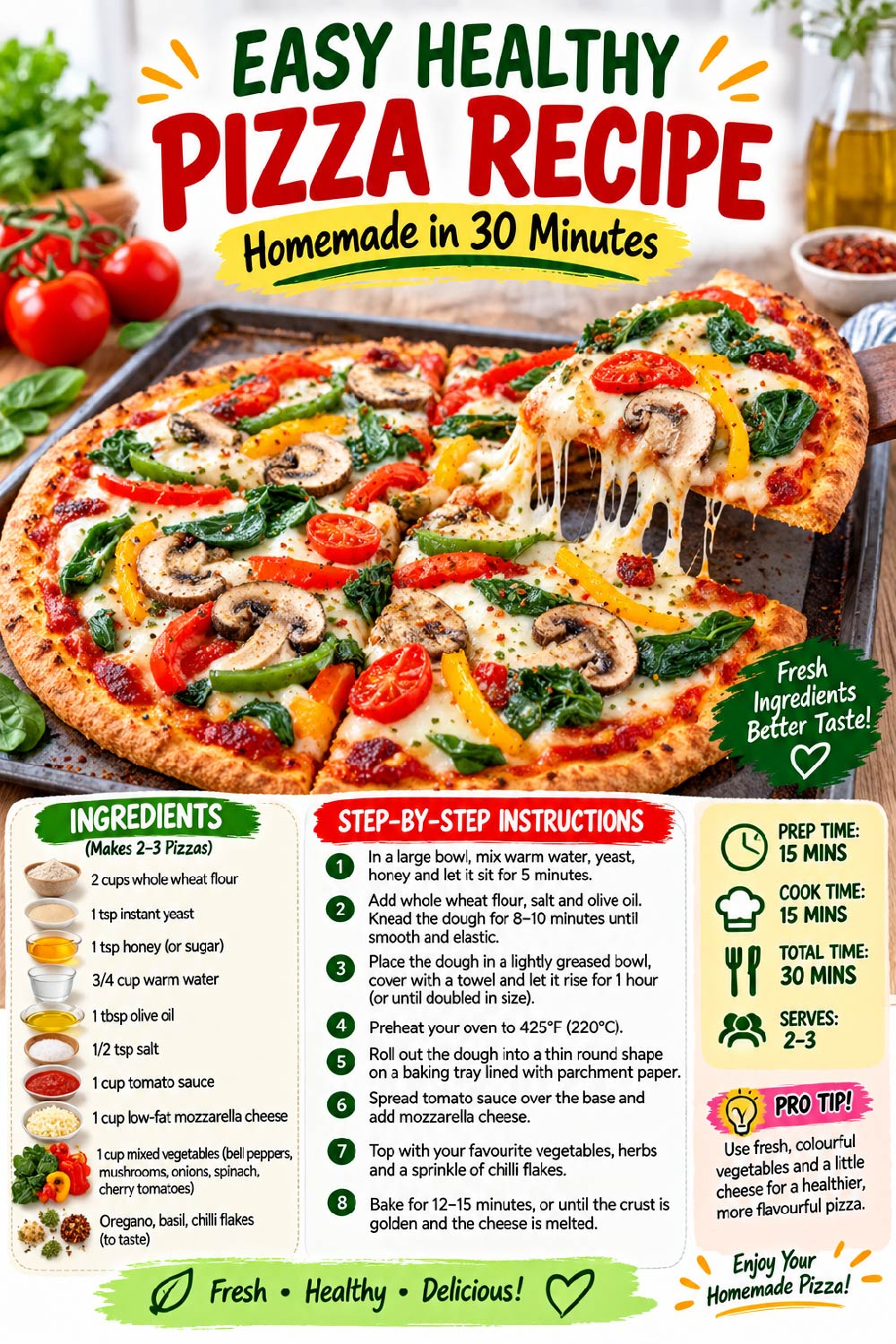
A high-protein pizza becomes more balanced when you build it around more than protein alone. Start with a crust, add a protein source, include vegetables and use enough cheese or another topping to provide the flavor and texture you want. You can then pair the pizza with a simple salad, roasted vegetables or fresh fruit if you want to make the meal more substantial.
Think of your pizza like a small canvas. The crust is the background, the sauce supplies the base flavor, protein provides substance and vegetables bring color, texture and variety. When all those pieces work together, you do not need to pile on huge amounts of any single ingredient.
Fiber is another useful consideration. Whole grains, vegetables and legumes can make a pizza more filling and nutritionally diverse. Choosing lean proteins and plenty of vegetables can also help you avoid relying heavily on processed meats. Cleveland Clinic specifically recommends limiting processed meats such as pepperoni, sausage and ham because they can be high in sodium and saturated fat.
The best high-protein pizza is therefore not simply the one with the largest protein number. It is the one that tastes good, fits your lifestyle and gives you a satisfying combination of ingredients.
10 High-Protein Pizza Ideas
Pizza night does not need to feel repetitive. Once you understand the basic formula, you can change the protein, sauce, vegetables and cheese to create completely different meals. The following ideas are designed for busy cooks who want flavorful pizzas with substantial protein without complicated preparation.
Chicken Pesto Protein Pizza
Chicken pesto pizza is an easy starting point if you want something creamy, savory and packed with flavor. Begin with a whole-grain crust or high-protein flatbread, then spread a thin layer of pesto over the surface. Add cooked chicken breast, shredded mozzarella and fresh spinach. Finish with sliced cherry tomatoes and a sprinkle of Parmesan before baking until the crust is crisp and the cheese is bubbling.
This combination works because chicken supplies a substantial protein base while mozzarella adds additional protein and richness. Spinach and tomatoes give the pizza freshness and color, while pesto brings a strong flavor that means you do not need a huge amount of cheese or sauce. A current high-protein pizza roundup features chicken pesto pizza with chicken, mozzarella and spinach and reports 37 grams of protein per serving for its version.
For a quick weeknight version, use leftover grilled chicken or rotisserie chicken. Keep the pesto layer fairly thin because too much oil can make the crust soft. Bake until the bottom is crisp, then add a handful of fresh basil after cooking.
Estimated prep time: 10 minutes
Estimated cook time: 12–15 minutes
Buffalo Chicken Pizza
If you love bold flavors, buffalo chicken pizza can easily become one of your favorite high-protein meals. Use a thin crust or protein-rich flatbread and spread a light layer of tomato sauce or buffalo sauce over the base. Add shredded cooked chicken, mozzarella and a small amount of crumbled blue cheese. After baking, finish the pizza with sliced green onions and a drizzle of buffalo sauce.
The chicken provides the main protein while the cheeses contribute additional protein and create the creamy, tangy contrast that makes buffalo-style pizza so addictive. You can also add finely chopped celery after baking for crunch.
For a lighter approach, mix Greek yogurt with a little buffalo sauce and garlic to make a creamy drizzle instead of using a heavy dressing. This gives you a cooling element without requiring a large amount of sauce.
If you prefer a vegetarian version, buffalo chickpeas make an excellent substitute for chicken. A recent high-protein pizza collection includes a buffalo chickpea pizza and reports 27.6 grams of protein per serving in its recipe.
Estimated prep time: 10 minutes
Estimated cook time: 12–15 minutes
Greek Chicken and Feta Pizza
Bring Mediterranean-inspired flavors to pizza night with chicken, feta, spinach, tomatoes and olives. Start with a whole-grain crust and spread a thin layer of tomato sauce. Add cooked chicken breast, crumbled feta, sliced red onion, spinach and a few chopped olives. Bake until the crust is golden and finish with fresh parsley or oregano.
Feta gives the pizza a salty, tangy flavor, so you may not need much additional seasoning. Chicken keeps the protein content high, while spinach and tomatoes make the pizza colorful and fresh. You can also add roasted red peppers or artichoke hearts if you have them available.
This pizza is especially good for meal prep because the toppings can be prepared ahead of time. Cook a batch of chicken at the beginning of the week, chop your vegetables and store everything separately. When dinner arrives, assembling the pizza becomes almost effortless.
If you want a creamier texture, blend a small amount of cottage cheese with garlic and lemon juice and use it as a base under the toppings. The result is a rich pizza without relying entirely on extra cheese.
Estimated prep time: 15 minutes
Estimated cook time: 12–15 minutes
Turkey and Spinach Pizza
Lean ground turkey can transform an ordinary pizza into a hearty, protein-focused dinner. Brown the turkey in a skillet with garlic, black pepper and Italian herbs before adding it to the pizza. Spread tomato sauce over your chosen crust, then layer on mozzarella, cooked turkey, spinach, mushrooms and sliced peppers.
Turkey has a mild flavor, which makes it ideal for pizza because it absorbs herbs and spices easily. The mushrooms add a meaty texture without requiring another large protein portion, while spinach wilts beautifully under the cheese.
For even more protein, choose a Greek-yogurt-based crust. You can also use part-skim mozzarella if you prefer a lighter cheese option. Cleveland Clinic recommends lean proteins such as chicken and turkey as alternatives to processed meats when building a more heart-conscious pizza.
This recipe is also easy to customize for children. Keep the turkey and cheese on one side, then load the other side with vegetables for adults. It is a simple way to make one pizza work for different preferences.
Estimated prep time: 15 minutes
Estimated cook time: 15 minutes
BBQ Chicken and Cottage Cheese Pizza
Sweet, smoky barbecue flavors pair surprisingly well with creamy cottage cheese. Use a thin whole-grain crust and spread a modest amount of barbecue sauce over it. Add shredded chicken, cottage cheese, mozzarella and thinly sliced red onion. Bake until hot and bubbling, then finish with cilantro or sliced green onions.
Cottage cheese is the secret ingredient here. Rather than using it as a traditional pizza topping in large curds, you can blend it until smooth and use it as a creamy layer underneath the chicken. This approach distributes the protein throughout the pizza and creates a texture similar to a creamy white sauce.
If barbecue sauce is too sweet for your taste, mix it with tomato sauce to soften the flavor. You can also add smoked paprika and black pepper for extra depth without adding much sauce.
The result is a pizza that tastes indulgent but is built around protein-rich ingredients. It is a particularly useful recipe when you have leftover chicken in the refrigerator and want to turn it into something completely different.
Estimated prep time: 10 minutes
Estimated cook time: 12–15 minutes
Steak and Mushroom Pizza
For a richer dinner, try thinly sliced lean steak with mushrooms and mozzarella. Quickly sear strips of steak in a hot skillet, then place them over a crust with tomato sauce, mushrooms, onions and cheese. The steak should be sliced thinly so it cooks quickly and remains tender.
Mushrooms are an excellent partner for steak because they provide an earthy flavor and satisfying texture. Caramelized onions can add sweetness, while a little Parmesan gives the pizza a sharp finish.
You do not need a huge amount of steak. Thin slices distributed across the pizza can provide protein in every bite without turning the crust into a pile of meat. This is a good example of why high-protein cooking is often about strategic ingredient placement rather than simply adding more food.
For a lower-sodium option, season the steak with garlic, pepper, oregano and smoked paprika instead of relying on salty sauces. Add arugula after baking for a fresh peppery finish.
Estimated prep time: 15 minutes
Estimated cook time: 12–15 minutes
Shrimp and Spinach Pizza
Shrimp cooks quickly, making it one of the best proteins for a fast pizza. Toss peeled shrimp with garlic, black pepper and a little olive oil. Spread tomato sauce over your crust, then add mozzarella, spinach and the shrimp. Bake until the shrimp is opaque and cooked through.
A squeeze of lemon over the finished pizza gives the entire dish a bright flavor. You can also add red pepper flakes if you enjoy a little heat.
Shrimp works particularly well with a lighter pizza because it does not require a heavy sauce. Instead of adding several strong toppings, let the shrimp, garlic, spinach and cheese remain the stars.
This recipe is perfect for those evenings when you want something that feels different from the usual chicken pizza. Pair it with a simple green salad and you have a quick dinner that feels much more special than its preparation time suggests.
Estimated prep time: 10 minutes
Estimated cook time: 10–12 minutes
Black Bean and Veggie Pizza
High-protein pizza does not have to contain meat. Black beans can provide plant-based protein while also adding texture and fiber. Mash some of the beans with garlic and spices to create a flavorful base, then add whole black beans, mozzarella or cheddar, bell peppers, onions, tomatoes and corn.
This pizza has a Southwestern personality rather than an Italian one. After baking, top it with cilantro, avocado or a spoonful of Greek yogurt. A squeeze of lime can bring everything together.
A recent nutrition review highlighted black beans among plant foods that provide both protein and fiber, reporting 10 grams of protein and 7 grams of fiber per half-cup serving.
You can make the pizza completely vegetarian or vegan depending on your cheese choice. For a vegan version, use a dairy-free cheese alternative or skip the cheese and add seasoned tofu or another plant-based protein.
Estimated prep time: 15 minutes
Estimated cook time: 12–15 minutes
Cottage Cheese Margherita Pizza
Margherita pizza is proof that a simple pizza can become protein-focused without being overloaded with toppings. Use a high-protein crust and spread a thin layer of tomato sauce over the top. Add small spoonfuls of blended cottage cheese, fresh mozzarella and sliced tomatoes. Bake until the crust is crisp, then finish with fresh basil.
Blending cottage cheese makes it smooth and creamy, allowing it to work as part of the sauce rather than appearing as large curds. You can season it with garlic, oregano and black pepper before spreading.
This pizza is particularly useful when you want something lighter in flavor. There is no need for processed meat or complicated toppings. The combination of tomatoes, basil, cheese and a crisp crust delivers the familiar comfort of classic pizza while giving you an opportunity to increase protein through the base and dairy ingredients.
Estimated prep time: 10 minutes
Estimated cook time: 12–15 minutes
Breakfast Protein Pizza
Who says pizza has to be reserved for lunch or dinner? Breakfast pizza can combine eggs, turkey, spinach and cheese on a high-protein crust. Start with a flatbread or protein-rich dough, add a thin layer of tomato sauce, then top with scrambled eggs, turkey breast, spinach and mozzarella.
You can also turn the crust into a breakfast-style base by skipping tomato sauce and spreading a thin layer of cottage cheese or Greek yogurt underneath the toppings. Add black pepper, chives and a few slices of avocado after baking.
Eggs are recognized as part of the USDA Protein Foods Group, so they fit naturally into a protein-focused breakfast pizza.
The key is not to overcook the eggs. If using already scrambled eggs, add them toward the end of the baking process so they stay tender. This recipe is especially convenient on weekends when you have leftover vegetables or cooked turkey that need a new purpose.
Estimated prep time: 10 minutes
Estimated cook time: 10–12 minutes
How to Build Your Own High-Protein Pizza
Once you understand the formula, you can create dozens of high-protein pizzas without following a recipe. Start by choosing your crust. A Greek-yogurt dough, whole-grain crust, whole-wheat pita or high-protein flatbread can all work. Next, choose one major protein such as chicken, turkey, lean beef, shrimp, eggs, tofu or beans.
Then select your sauce. Tomato sauce is the easiest option, but pesto, buffalo sauce, blended cottage cheese, Greek-yogurt sauce or a light olive-oil-and-garlic base can completely change the flavor. Cleveland Clinic recommends tomato sauce, olive oil and pesto as options that can fit into a more nutritious homemade pizza approach.
After that, add vegetables. Bell peppers, onions, mushrooms, spinach, tomatoes, broccoli, arugula and roasted vegetables all work well. Finally, choose cheese based on the flavor you want rather than automatically covering the entire pizza with a thick layer.
A useful formula is:
High-protein crust + lean protein + vegetables + moderate cheese + flavorful sauce = balanced high-protein pizza.
This simple formula makes meal planning much easier. You can change the flavor profile every night without learning an entirely new recipe.
Tips for Making High-Protein Pizza Healthier
The first tip is to focus on ingredient quality rather than simply chasing the biggest protein number. A pizza with enormous quantities of processed meat and cheese may contain plenty of protein but can also bring a lot of sodium and saturated fat. Cleveland Clinic recommends choosing lean proteins such as chicken, turkey, shrimp and tofu while limiting processed meats such as pepperoni, sausage and ham.
Next, increase vegetables. They add flavor, color and texture while helping you create a more balanced meal. Spinach, mushrooms, peppers, tomatoes and onions are particularly easy pizza toppings because they cook quickly.
Whole grains can also be useful when they fit your preferences. A whole-grain crust, pita or tortilla can provide more fiber than a refined base. You can also use a thinner crust if you prefer a lighter pizza.
Finally, watch moisture. One of the most common problems with homemade high-protein pizza is sogginess. Wet vegetables, excessive sauce and watery cheese can prevent the crust from becoming crisp. Pat vegetables dry, use a moderate amount of sauce and pre-cook ingredients that release a lot of moisture.
The best pizza should still taste like pizza. Nutrition improvements should make the meal more satisfying, not turn it into something you do not actually enjoy.
Best High-Protein Pizza Toppings
Choosing toppings becomes easier when you divide them into categories. Your main protein could be chicken breast, turkey, lean beef, shrimp, eggs, tofu, black beans or chickpeas. Your secondary protein might be mozzarella, cottage cheese, Greek yogurt, feta or Parmesan.
Then add vegetables. Mushrooms provide a savory bite, peppers add sweetness and crunch, spinach adds color, and tomatoes bring freshness. Onions work with almost every combination.
For stronger flavors, experiment with pesto, buffalo sauce, barbecue sauce, garlic, chili flakes, oregano, basil and smoked paprika. A small amount of a flavorful ingredient can make a bigger difference than adding extra cheese.
Plant-based toppings deserve more attention too. Chickpeas, black beans, tofu and lentils can turn a vegetarian pizza into a genuinely substantial meal. MyPlate includes beans, peas, lentils, soy foods, nuts and seeds among protein-food choices, so there is no need to rely exclusively on meat when building a protein-focused pizza.
A good topping combination should have contrast. Think creamy cottage cheese with spicy buffalo chicken, salty feta with fresh vegetables, smoky barbecue chicken with red onion, or savory black beans with crunchy peppers.
Common Mistakes to Avoid
One common mistake is assuming that adding extra cheese automatically creates the best high-protein pizza. Cheese does contribute protein, but increasing it dramatically can also increase calories, saturated fat and sodium. Instead, combine a moderate amount of cheese with lean protein and vegetables.
Another mistake is choosing processed meats as the primary protein every time. Pepperoni and sausage are convenient and flavorful, but relying on them regularly can make it harder to control sodium and saturated fat. Cleveland Clinic specifically recommends cutting back on processed meats when trying to improve the nutritional profile of pizza.
Using too much sauce is another problem. A generous layer can make the center of the pizza soggy. The same applies to watery vegetables. Mushrooms, spinach and fresh tomatoes can release moisture while cooking, so use reasonable portions and pre-cook particularly wet ingredients when necessary.
Finally, do not obsess over a single nutrition number. Protein is important, but your overall diet matters more than whether one pizza contains 25, 30 or 40 grams. Choose foods you enjoy, include a variety of protein sources and build meals that work with your lifestyle.
Easy High-Protein Pizza Meal Prep
Meal prep can make high-protein pizza one of the easiest weeknight dinners. Instead of preparing everything from scratch every evening, cook your protein in advance. A batch of grilled chicken, seasoned turkey or cooked beans can become pizza topping for several days.
You can also prepare vegetables ahead of time. Slice peppers and onions, wash spinach, chop mushrooms and portion everything into containers. Keep wetter ingredients separate so they do not make your crust soggy.
For individual pizzas, assemble the crust, sauce and toppings just before baking. This works particularly well with flatbreads and tortillas because they require only a short cooking time. If you have a family, let everyone build their own pizza from the same prepared ingredients.
High-protein pizza also works well as a leftover meal. Store cooked pizza safely in the refrigerator and reheat it in an oven, toaster oven or air fryer when possible to restore some crispness. Avoid repeatedly reheating the entire batch; heat only what you plan to eat.
Meal prep does not have to mean eating the exact same pizza every day. Prepare the components once, then change the flavor. Monday can be pesto chicken, Tuesday can be buffalo chicken and Wednesday can become a black bean and veggie pizza using the same basic vegetables.
Conclusion
High-protein pizza is a simple example of how a favorite comfort food can fit into a balanced eating pattern. You do not have to give up a crispy crust, bubbling cheese or flavorful sauce just because you want more protein in your meals. The easiest strategy is to build the pizza deliberately: choose a protein-friendly crust, add a substantial protein source, include vegetables and use cheese and sauce for flavor.
Chicken, turkey, shrimp, lean beef, eggs, cottage cheese, Greek yogurt, beans and tofu all give you different ways to create satisfying combinations. Current nutrition guidance encourages variety in protein foods, while health-focused pizza guidance emphasizes vegetables, whole grains and leaner protein choices.
The beauty of these pizzas is their flexibility. You can make a quick flatbread pizza when you have 15 minutes, prepare homemade protein dough on the weekend, or use leftovers to create a completely new dinner. You can also make vegetarian versions using beans, chickpeas or tofu.
So, which one should you try first? Start with chicken pesto if you want something classic, buffalo chicken if you love bold flavors, or black bean and veggie pizza if you want a plant-based option. Once you find your favorite combination, use the basic formula to create your own high-protein pizza ideas.
FAQs
Is pizza a good source of protein?
Pizza can provide protein, especially when it contains cheese and meat or other protein-rich toppings. However, a standard cheese pizza is not necessarily a high-protein meal by itself. A recent high-protein pizza roundup uses 20 grams of protein per serving as its benchmark for a high-protein meal.
What is the best protein to put on pizza?
Chicken breast is one of the easiest choices because it is lean, versatile and pairs well with many sauces. Turkey, shrimp, lean beef, eggs, tofu and beans are also excellent options. Choosing different protein sources throughout the week can add variety to your meals.
How can I add protein to pizza without meat?
Try Greek yogurt or cottage cheese in the crust or sauce, then add mozzarella, feta, beans, chickpeas, tofu or eggs. Black beans are particularly useful because they can provide both protein and fiber.
What is the healthiest crust for high-protein pizza?
There is no single best crust for everyone. Greek-yogurt-based dough, whole-grain crust, whole-wheat pita, high-protein flatbread and chickpea-based crusts are all options. Cleveland Clinic lists whole-grain crust, whole-wheat pita, whole-grain tortillas and cauliflower crust among alternatives for building a more nutritious pizza.
Can I eat high-protein pizza for weight loss?
A high-protein pizza can fit into many eating patterns, including a calorie-controlled diet, but weight management depends on your overall food intake and individual needs. Portion size, cheese, sauces, crust and toppings can substantially change the calories in a pizza. Building your pizza with lean protein, vegetables and sensible portions can make it easier to create a balanced meal.
Comments
0No comments yet — be the first to share your thoughts!