10 High-Protein Egg Breakfasts for Weight Loss & Energy
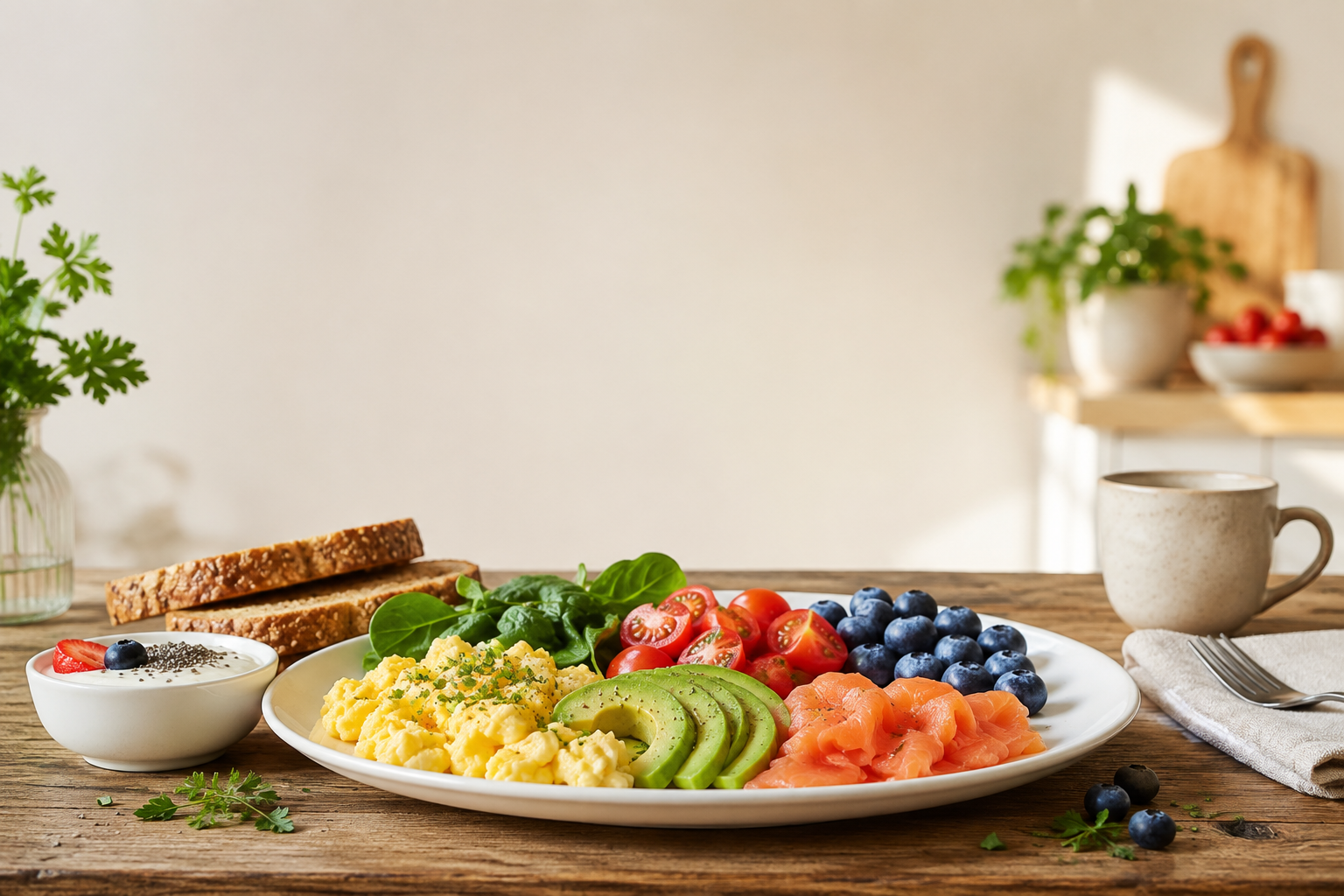
Discover 10 high-protein egg breakfast recipes for weight loss. Enjoy healthy, filling, and easy breakfasts packed with protein to keep you energized all morning.
High-Protein Egg Breakfasts for Weight Loss
Why High-Protein Breakfasts Support Weight Loss
Starting your morning with a high-protein breakfast is one of the easiest ways to support healthy weight loss without feeling hungry throughout the day. Protein helps slow digestion, keeps blood sugar levels steady, and reduces cravings between meals. Unlike sugary cereals or pastries that can leave you hungry an hour later, protein-rich meals provide long-lasting energy and help you stay satisfied until lunch.
Research has consistently shown that people who eat protein-rich breakfasts tend to consume fewer calories later in the day. Eggs are especially effective because they contain complete protein with all nine essential amino acids. They are also affordable, quick to prepare, and incredibly versatile, making them perfect for busy mornings.
Another advantage of eating protein in the morning is muscle preservation. During weight loss, maintaining lean muscle mass is important because muscle burns more calories than fat, even while resting. Pairing eggs with vegetables, whole grains, or healthy fats creates a balanced meal that fuels your body without unnecessary calories.
How Protein Helps You Stay Full
Protein has a stronger effect on satiety than carbohydrates or fats. After eating a protein-rich meal, your body releases hormones that signal fullness while reducing the hunger hormone known as ghrelin. This means you're less likely to reach for unhealthy snacks before lunchtime.
Eating around 20–30 grams of protein at breakfast can make a noticeable difference in appetite control. Eggs are an excellent foundation because two large eggs provide approximately 12–13 grams of high-quality protein. Adding ingredients like Greek yogurt, cottage cheese, turkey, or smoked salmon easily boosts the protein content to your target range.
Protein also requires more energy to digest than carbohydrates, a process known as the thermic effect of food. While this doesn't dramatically increase calorie burn, every little advantage helps when combined with a balanced diet and regular exercise.
Why Eggs Are a Smart Breakfast Choice
Eggs have earned their place as one of the healthiest breakfast foods available. They are packed with protein, vitamin D, vitamin B12, selenium, choline, and healthy fats. Despite past concerns about cholesterol, current research suggests that moderate egg consumption can fit into a healthy eating pattern for most people.
Eggs are also incredibly flexible. Whether you prefer scrambled eggs, omelets, muffins, wraps, or breakfast bowls, there's an option for every taste and schedule. Most egg breakfasts take less than 15 minutes to prepare, making them ideal for busy professionals, parents, and students.
Another benefit is portion control. Eggs naturally come in individual servings, making it easier to manage calorie intake while still enjoying a filling meal.
Nutritional Benefits of Eggs
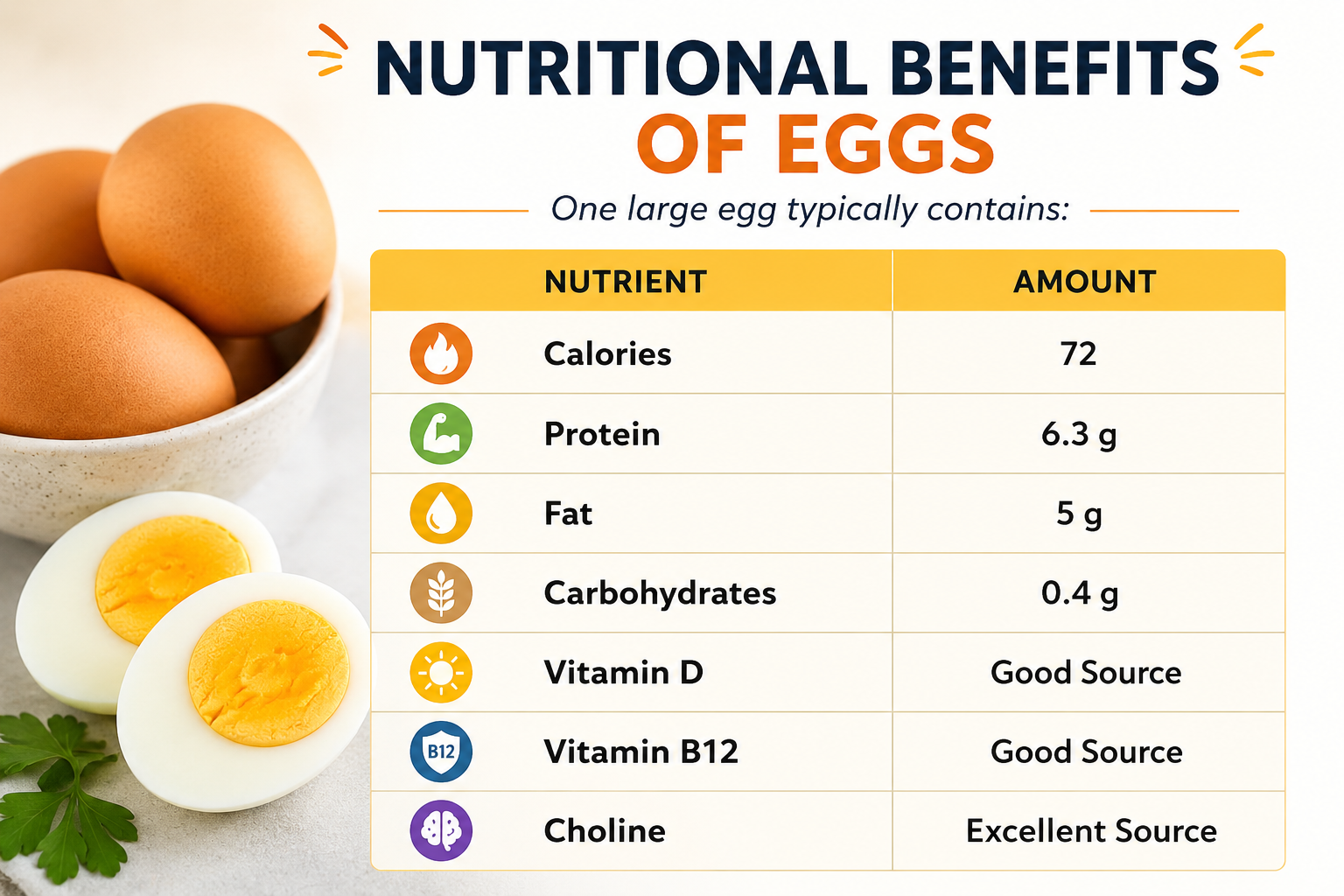
Eggs also contain antioxidants like lutein and zeaxanthin, which support eye health. Their combination of nutrients makes them one of the most nutrient-dense foods you can include in your diet.
Are Eggs Good for Weight Loss?
Absolutely. Eggs are naturally low in calories while being rich in nutrients and protein. Their ability to keep you full means you're less likely to overeat later in the day.
Weight loss ultimately depends on maintaining a calorie deficit, but choosing filling foods makes that process much easier. Eggs can be part of many healthy eating patterns, including Mediterranean, low-carb, and high-protein diets.
To maximize their weight-loss benefits, avoid pairing eggs with processed meats, deep-fried foods, or excessive amounts of butter and cheese. Instead, combine them with vegetables, whole grains, and healthy fats.
Best Ingredients to Pair with Eggs
Vegetables
Vegetables add fiber, vitamins, and volume without many calories. Great options include spinach, mushrooms, tomatoes, bell peppers, onions, kale, broccoli, and zucchini.
Whole Grains
Whole-grain toast, oats, quinoa, and whole-wheat tortillas provide slow-digesting carbohydrates that keep your energy stable throughout the morning.
Healthy Fats
Avocados, nuts, seeds, and olive oil contribute heart-healthy fats that improve satisfaction while helping your body absorb fat-soluble vitamins.
10 High-Protein Egg Breakfast Recipes
1. Spinach Egg White Omelette
This light yet protein-rich omelette combines egg whites with fresh spinach, mushrooms, onions, and a sprinkle of low-fat mozzarella cheese. It's ideal for those looking to reduce calories while maintaining high protein intake.
Protein: 25g
Calories: 240
2. Cottage Cheese Scrambled Eggs
Mix cottage cheese into scrambled eggs for an incredibly creamy texture and extra protein. Add chopped chives and black pepper for flavor.
Protein: 28g
Calories: 300
3. Veggie Egg Muffins
Bake eggs with spinach, peppers, onions, broccoli, and shredded cheese in muffin tins. These freeze well and are perfect for meal prep.
Protein: 22g
Calories: 230
4. Avocado Egg Toast
Spread mashed avocado on whole-grain toast and top with two poached eggs. Finish with chili flakes and everything bagel seasoning.
Protein: 21g
Calories: 340
5. Turkey Egg Breakfast Wrap
Fill a whole-wheat tortilla with scrambled eggs, turkey breast, spinach, and salsa for a portable breakfast packed with lean protein.
Protein: 30g
Calories: 370
6. Greek Yogurt & Egg Power Bowl
Pair boiled eggs with plain Greek yogurt, cucumber, tomatoes, herbs, and pumpkin seeds for a refreshing Mediterranean-inspired breakfast.
Protein: 32g
Calories: 350
7. Smoked Salmon Egg Toast
Layer smoked salmon and sliced boiled eggs over whole-grain toast with light cream cheese and fresh dill.
Protein: 29g
Calories: 360
8. Air Fryer Egg Bites
Blend eggs, cottage cheese, spinach, and cheddar before cooking in silicone molds using an air fryer. These fluffy bites are perfect for grab-and-go breakfasts.
Protein: 24g
Calories: 260
9. High-Protein Breakfast Burrito
Stuff scrambled eggs, black beans, grilled chicken, peppers, onions, and salsa into a whole-wheat tortilla.
Protein: 35g
Calories: 420
10. Mushroom & Cheese Egg Skillet
Cook mushrooms, onions, and spinach before adding eggs and reduced-fat cheese. Serve with sliced tomatoes for extra freshness.
Protein: 26g
Calories: 310
Meal Prep Tips for Busy Mornings
Preparing breakfast ahead of time can save valuable time during busy weekdays. Egg muffins, air fryer egg bites, boiled eggs, and breakfast burritos all store well in the refrigerator for several days. Keeping pre-cut vegetables on hand also speeds up cooking.
Batch cooking is another effective strategy. Preparing several breakfasts at once means you'll always have a healthy option available instead of relying on convenience foods. Store individual portions in airtight containers and simply reheat them before leaving the house.
Adding variety prevents breakfast boredom. Rotate different vegetables, herbs, cheeses, and lean proteins throughout the week while keeping eggs as your protein base.
Common Mistakes to Avoid
Many people accidentally turn a healthy breakfast into a high-calorie meal by adding too much cheese, butter, bacon, or processed meats. Instead, focus on lean protein and vegetables.
Another mistake is skipping fiber. Eggs contain almost no fiber, so pair them with vegetables, fruit, or whole grains for better digestion and longer-lasting fullness.
Finally, watch portion sizes of calorie-dense foods like avocado, nuts, and cheese. These foods are nutritious but should still be enjoyed in moderation.
Conclusion
High-protein egg breakfasts are one of the simplest and most effective ways to support healthy weight loss while staying energized throughout the day. Eggs provide complete protein, essential vitamins, and impressive versatility, allowing you to enjoy a different breakfast every morning without getting bored. Pairing eggs with vegetables, whole grains, and healthy fats creates balanced meals that satisfy hunger, support muscle maintenance, and help reduce unnecessary snacking. Whether you prefer quick scrambled eggs, meal-prep egg muffins, or protein-packed breakfast wraps, adding these recipes to your routine can make healthy eating easier and more enjoyable.
Frequently Asked Questions
1. How many eggs should I eat for breakfast when trying to lose weight?
For most healthy adults, two to three eggs combined with vegetables and whole grains make a balanced, protein-rich breakfast.
2. Are egg whites better than whole eggs?
Egg whites provide more protein with fewer calories, but whole eggs contain healthy fats, vitamins, minerals, and choline. A combination of both is an excellent option.
3. Can I eat eggs every day?
Yes. For most healthy individuals, eating eggs daily can be part of a nutritious diet when combined with a variety of other healthy foods.
4. What foods increase the protein content of egg breakfasts?
Greek yogurt, cottage cheese, turkey breast, chicken, smoked salmon, black beans, and reduced-fat cheese are excellent additions.
5. Are air fryer egg recipes healthy?
Yes. Air fryer egg recipes require very little oil, making them a healthier alternative to frying while maintaining excellent flavor and texture.
Comments
0No comments yet — be the first to share your thoughts!