10 Healthy High-Fiber Meals for Better Digestion
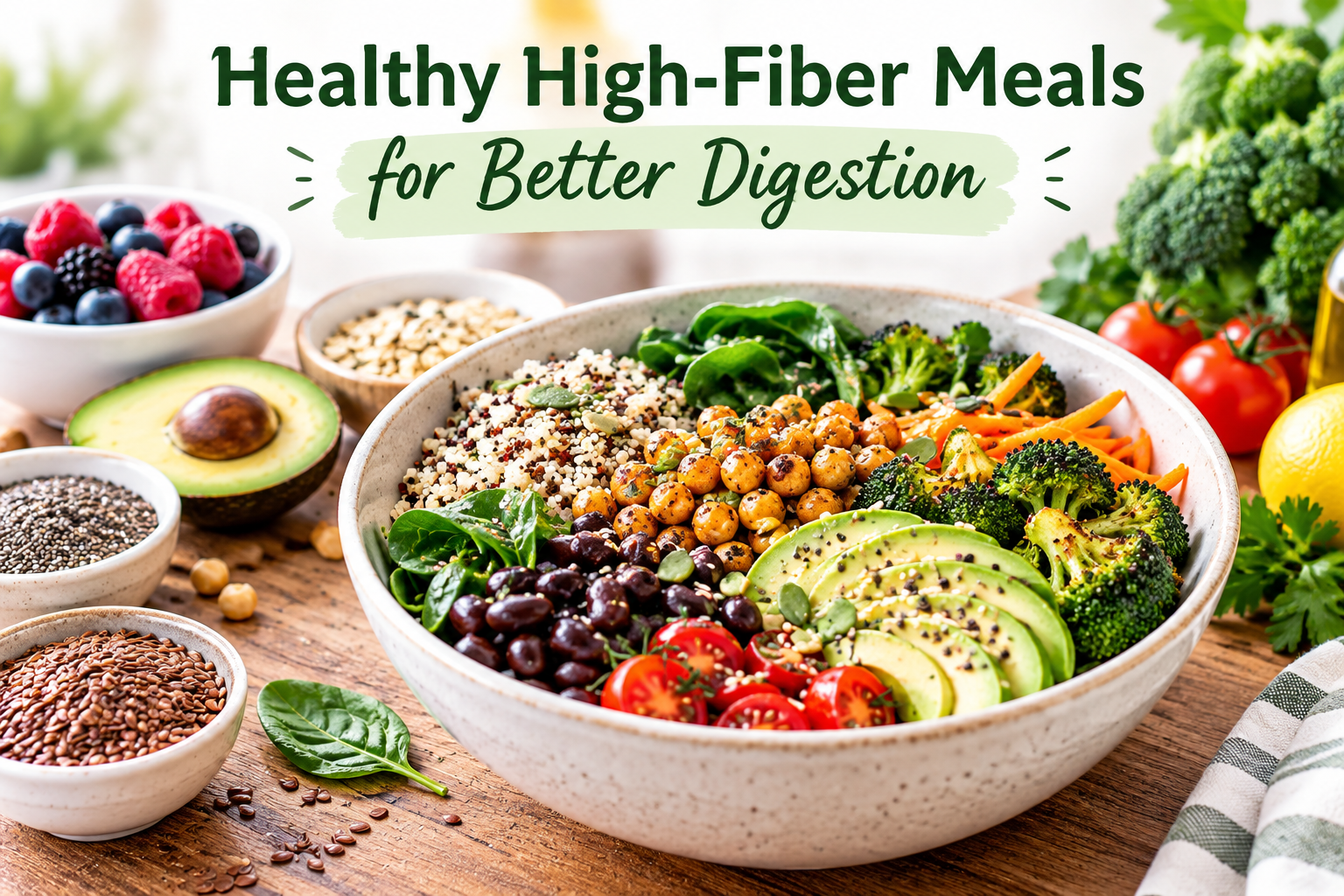
Discover 10 healthy high-fiber meals for better digestion, including easy breakfasts, filling lunches, and nutritious dinners to support a balanced diet.
Why Fiber Matters for Digestive Health
A healthy digestive system needs more than just avoiding foods that make you feel uncomfortable. The foods you eat every day can influence bowel regularity, fullness, and the overall quality of your diet, which is why high-fiber meals are such a useful part of a balanced eating pattern. Fiber is found naturally in foods such as oats, beans, lentils, vegetables, fruits, whole grains, nuts, and seeds. Unlike many nutrients, fiber passes through the digestive system without being completely broken down, and different types of fiber can affect digestion in different ways. For people who struggle with constipation, getting enough fiber and fluids can be particularly helpful because fiber can make stools softer and easier to pass. The National Institute of Diabetes and Digestive and Kidney Diseases says adults generally need around 22 to 34 grams of fiber per day, depending on age and sex.
Think of fiber as part of the support system that keeps your digestive routine moving. Instead of relying on highly processed foods that may contain little fiber, you can build meals around whole or minimally processed ingredients that naturally provide it. A bowl of oatmeal with berries and chia seeds, for example, gives you a combination of whole grains, fruit, and seeds in one easy breakfast. A lunch made with lentils, vegetables, and brown rice can provide another substantial serving without requiring complicated cooking. The goal isn't to make every meal extremely high in fiber overnight; it is to gradually create a pattern in which fiber-rich foods appear throughout your day. When you make that shift thoughtfully, healthy eating becomes less about following a strict rule and more about giving your body a reliable supply of nutritious foods.
Soluble and Insoluble Fiber Explained
Fiber is commonly discussed as though it is one single substance, but different types behave differently in the digestive tract. Soluble fiber dissolves in water and can be found in foods such as oats, beans, fruit, and some vegetables. Insoluble fiber does not dissolve in water and is abundant in whole grains, vegetables, and foods containing edible skins. Both types occur naturally in many foods, so you generally do not need to obsess over calculating exactly how much of each type you consume. Instead, eating a varied diet containing fruits, vegetables, legumes, whole grains, nuts, and seeds can help you naturally include different forms of fiber. NIDDK also notes that soluble fiber may be particularly helpful for some people with constipation-predominant IBS, while increasing fiber too quickly may contribute to gas or bloating.
This is one reason variety matters when you're choosing foods for better digestion. If your current diet is mostly refined grains and low-fiber convenience foods, suddenly replacing everything with enormous portions of beans, bran, and raw vegetables may leave you feeling more uncomfortable rather than better. Your digestive system needs time to adjust to a significant increase in fiber. A gentler approach is to add one fiber-rich food at a time, such as berries at breakfast, beans at lunch, or roasted vegetables at dinner. You can then observe how your body responds and continue increasing your intake gradually. Healthy digestion is not a race, and a sustainable routine will usually serve you better than making dramatic changes for a few days.
How Much Fiber Do You Need Each Day?
For most adults, a useful general target is 22 to 34 grams of fiber per day, although individual needs vary. Your age, sex, overall diet, activity level, and health circumstances can influence what is appropriate for you. Rather than trying to reach your target through a single enormous meal, spread fiber across breakfast, lunch, dinner, and snacks. For example, oatmeal with fruit in the morning, a bean-based salad at lunch, a vegetable-rich dinner, and a small handful of nuts as a snack can create a much more balanced pattern. NIDDK recommends increasing fiber gradually and drinking enough liquids so the added fiber can work effectively.
A simple way to think about your daily fiber goal is to build meals rather than count every gram. Start with a whole-grain carbohydrate, add a fruit or vegetable, include beans or another plant-based protein when appropriate, and finish with nuts or seeds when they suit the meal. You don't have to eat a completely plant-based diet to consume plenty of fiber. Chicken, eggs, fish, and yogurt can fit comfortably into a high-fiber eating pattern when they are paired with vegetables, whole grains, legumes, fruits, or seeds. The bigger picture is what matters: fiber-rich plant foods should have a regular place on your plate instead of being an occasional addition.
Why Increasing Fiber Slowly Matters
One of the most common mistakes people make is treating fiber like a switch that can be turned on instantly. If your normal diet contains relatively little fiber and you suddenly add large quantities of beans, lentils, bran cereal, vegetables, and seeds, you may experience gas, bloating, or abdominal discomfort. That doesn't necessarily mean fiber is bad for you. It may simply mean that your digestive system needs time to adapt to the change. NIDDK recommends adding fiber gradually, and its guidance for IBS notes that increasing intake by around 2 to 3 grams per day may help reduce gas and bloating for some people.
Instead of completely rebuilding your diet in one weekend, make small upgrades. Add a tablespoon of chia seeds to breakfast, choose brown rice instead of white rice a few times a week, keep the skin on an apple when practical, or replace part of the meat in a meal with lentils or beans. These small changes can add up without making your meals feel unfamiliar. You can also choose cooked vegetables if large portions of raw vegetables tend to feel heavy. If you have a diagnosed digestive condition or have been advised to follow a specific diet, speak with a healthcare professional before making major dietary changes.
Best High-Fiber Foods for Everyday Meals
The easiest way to eat more fiber is to keep convenient fiber-rich foods available. Oats, berries, pears, apples, beans, lentils, chickpeas, sweet potatoes, broccoli, carrots, peas, avocado, whole-grain bread, brown rice, quinoa, chia seeds, flaxseeds, almonds, and peanuts can all become useful building blocks for everyday meals. NIDDK specifically lists whole grains, legumes, fruits, vegetables, and nuts among good sources of dietary fiber. These ingredients are flexible enough to work across breakfast, lunch, dinner, and snacks, which makes them practical for busy households.
You don't need expensive superfoods or specialty products to create a high-fiber meal. A simple bowl of oatmeal can be transformed with an apple and chia seeds. A basic rice bowl can become more filling with black beans, roasted vegetables, and avocado. Even a sandwich can provide more fiber when you use whole-grain bread and add vegetables alongside a protein source. When shopping, focus on foods you already enjoy and look for simple ways to combine them. This approach is usually easier to maintain than building your entire diet around ingredients you have never cooked before.
Fiber-Rich Fruits and Vegetables
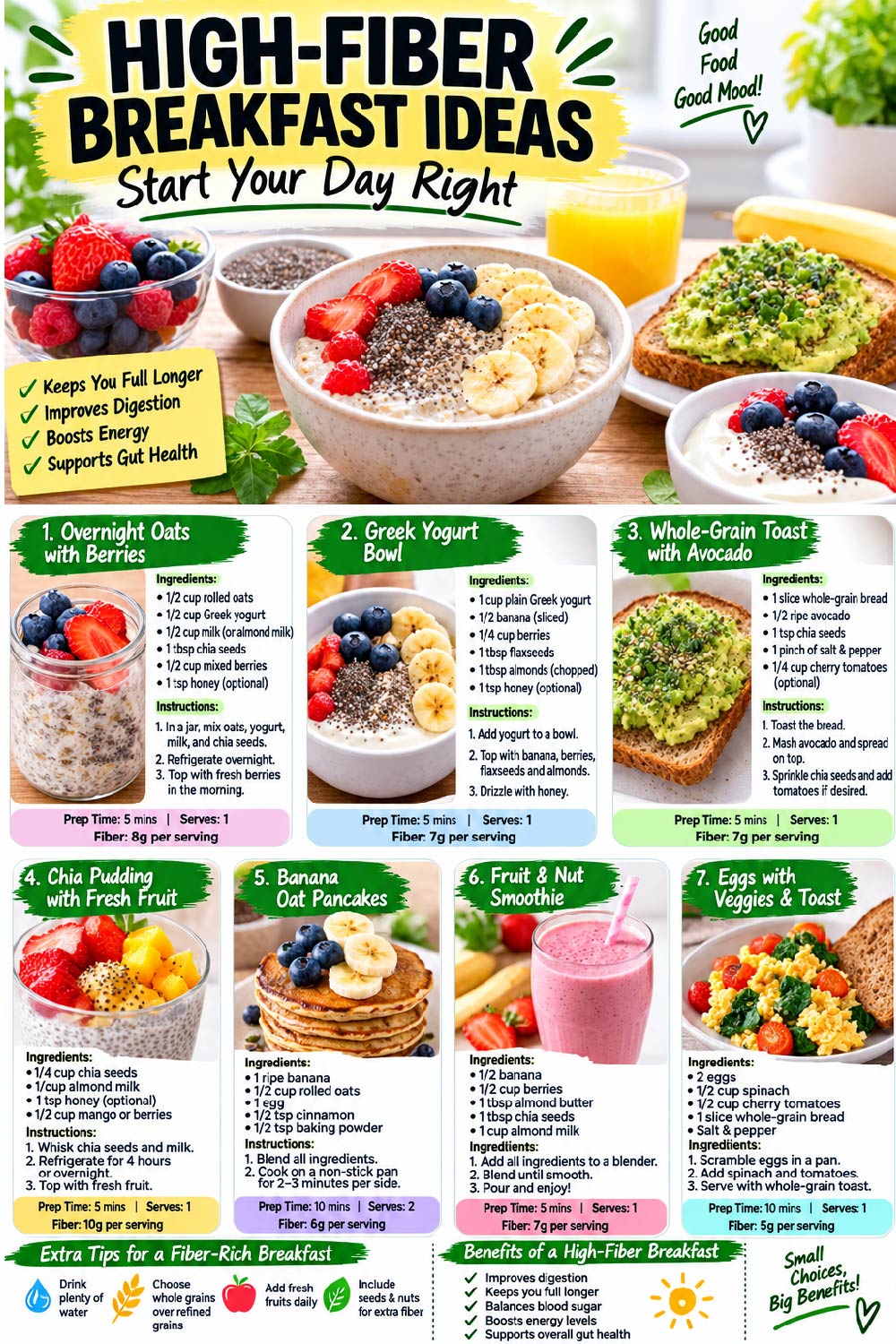
Fruits and vegetables are among the easiest ways to increase fiber while also adding color, flavor, vitamins, minerals, and water to meals. Berries work beautifully in oatmeal and yogurt bowls, while apples and pears make convenient snacks that require almost no preparation. Vegetables such as broccoli, carrots, peas, sweet potatoes, spinach, and Brussels sprouts can become the foundation of lunches and dinners. Leaving edible skins on foods such as apples and potatoes can also contribute fiber when appropriate and when the food is washed properly. NIDDK identifies berries, apples with the skin, oranges, pears, carrots, broccoli, peas, and leafy greens as examples of fiber-containing foods.
Try not to think of vegetables as something you have to force yourself to eat on the side of a meal. Instead, make them part of the main dish. Add spinach to scrambled eggs, broccoli to a chicken rice bowl, peas to a lentil soup, or roasted vegetables to a whole-grain wrap. Fruit can also become part of the meal instead of being reserved for dessert. A pear with Greek yogurt and chia seeds can become breakfast, while berries can turn plain oatmeal into something much more appealing. These combinations make fiber feel like food rather than a nutrition assignment.
Whole Grains, Beans, Nuts, and Seeds
Legumes and whole grains are particularly useful for creating satisfying high-fiber meals. Lentils, chickpeas, black beans, kidney beans, and other legumes can add fiber and plant-based protein to soups, salads, curries, and bowls. Oatmeal, whole-wheat bread, whole-grain pasta, quinoa, and brown rice can replace more refined carbohydrate choices in many meals. Nuts and seeds such as almonds, peanuts, chia seeds, and flaxseeds can add texture and make simple meals more satisfying. NIDDK lists whole grains, legumes, fruits, vegetables, and nuts among good sources of fiber.
These ingredients are also ideal for quick healthy meals for busy people because many can be prepared ahead of time. Cook a batch of brown rice or quinoa at the beginning of the week, rinse canned beans for quick meals, and keep oats, chia seeds, nuts, and whole-grain bread in your pantry. Suddenly, a nutritious lunch can take only a few minutes to assemble. Meal preparation doesn't have to mean spending an entire Sunday cooking dozens of containers. Sometimes it simply means having the right ingredients ready when hunger arrives.
10 Healthy High-Fiber Meals for Better Digestion
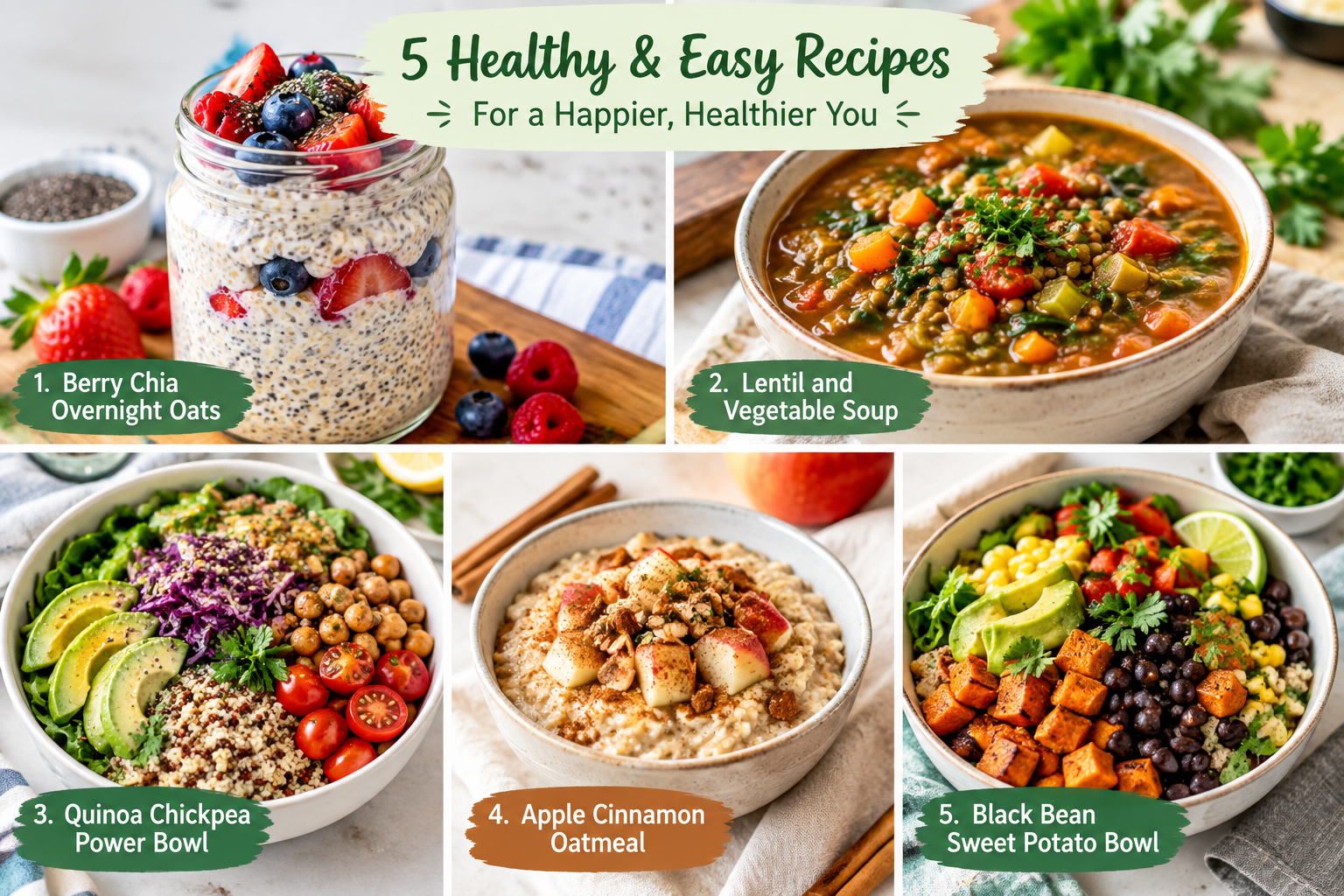
1. Berry Chia Overnight Oats
Berry chia overnight oats are an easy breakfast for busy mornings because almost everything can be prepared the night before. Combine rolled oats with milk or an unsweetened milk alternative, Greek yogurt, chia seeds, and a small portion of berries, then refrigerate until the next morning. The oats and chia seeds provide fiber, while berries add natural sweetness and additional plant nutrients. If you want more texture, add sliced almonds immediately before serving instead of mixing them in overnight. This breakfast can be customized with strawberries, blueberries, raspberries, blackberries, or a combination of your favorites.
Simple ingredients: rolled oats, milk, Greek yogurt, chia seeds, berries, and optional cinnamon. Stir everything together, refrigerate overnight, and add fresh berries or nuts before eating. If the mixture becomes too thick, add a splash of milk in the morning. This is a practical option when you want a high-fiber breakfast for digestion without cooking first thing in the morning.
2. Lentil and Vegetable Soup
Lentil and vegetable soup is one of those meals that feels comforting while also making it easy to include several nutritious ingredients in one bowl. Lentils provide fiber and plant protein, while carrots, tomatoes, celery, spinach, and other vegetables add more fiber and nutrients. You can prepare a large pot and store individual portions for quick lunches during the week. Use herbs, garlic, black pepper, and a modest amount of salt to create flavor without depending on heavy sauces. The result is a filling meal that works especially well during cooler weather.
To prepare it, sauté chopped onions, carrots, and celery in a little olive oil, then add rinsed lentils, tomatoes, vegetables, and broth. Simmer until the lentils are tender and the vegetables are cooked through, adding spinach near the end. Adjust the consistency with additional broth or water according to your preference. Because lentils are a concentrated source of fiber, start with a moderate portion if your diet has previously been low in fiber.
3. Quinoa Chickpea Power Bowl
A quinoa chickpea bowl is a flexible lunch that can be changed according to whatever vegetables you have available. Start with cooked quinoa, then add chickpeas, cucumber, tomatoes, leafy greens, carrots, and avocado. A simple dressing made from olive oil, lemon juice, garlic, and herbs can bring the ingredients together without making the meal complicated. This combination provides several fiber-rich foods at once, while quinoa and chickpeas make the bowl more satisfying. You can also add grilled chicken or another protein if you prefer a mixed diet.
The beauty of this meal is that it works well for meal prep. Cook your quinoa ahead of time and keep washed vegetables in the refrigerator. When lunchtime arrives, simply assemble the ingredients and add your dressing. For better texture, keep the dressing separate until you're ready to eat. This is a great example of how a high-fiber meal can be quick, colorful, and enjoyable instead of feeling like a restrictive health-food dish.
4. Apple Cinnamon Oatmeal
Apple cinnamon oatmeal is a classic breakfast for good reason: it is inexpensive, easy, comforting, and adaptable. Cook rolled oats with milk or water, then add diced apple and cinnamon while the oats soften. Chia seeds or ground flaxseed can provide an additional fiber boost, while chopped walnuts can add crunch. If you want sweetness, use a small amount of honey or maple syrup rather than making the bowl overly sweet. Keeping the apple skin on, when practical and well washed, can also contribute additional fiber.
This meal is especially useful on mornings when you want something warm and satisfying. Oats provide soluble fiber, while the apple contributes fiber and natural sweetness. You can make the oatmeal on the stovetop or prepare it in the microwave when time is limited. For a higher-protein breakfast, add Greek yogurt after cooking or serve the oatmeal alongside eggs. The combination of fiber, protein, and healthy fats can make breakfast feel more substantial.
5. Black Bean Sweet Potato Bowl
Sweet potatoes and black beans create a naturally flavorful combination that can become a satisfying lunch or dinner. Roast or microwave a sweet potato until tender, then top it with warmed black beans, chopped tomatoes, avocado, and leafy greens. Add lime juice, cumin, paprika, or fresh cilantro for extra flavor. The beans and sweet potato contribute substantial fiber, while avocado adds texture and healthy fats. You can also include brown rice if you want to turn it into a larger meal.
This recipe is particularly useful when you're looking for easy high-fiber dinner ideas without complicated cooking. A microwave can cook the sweet potato quickly, while canned black beans can be rinsed and heated in minutes. If you are sensitive to large amounts of beans, begin with a smaller serving and increase it gradually as your body becomes accustomed to more fiber. Keeping portions comfortable is more important than trying to make every meal as fiber-heavy as possible.
6. Mediterranean White Bean Salad
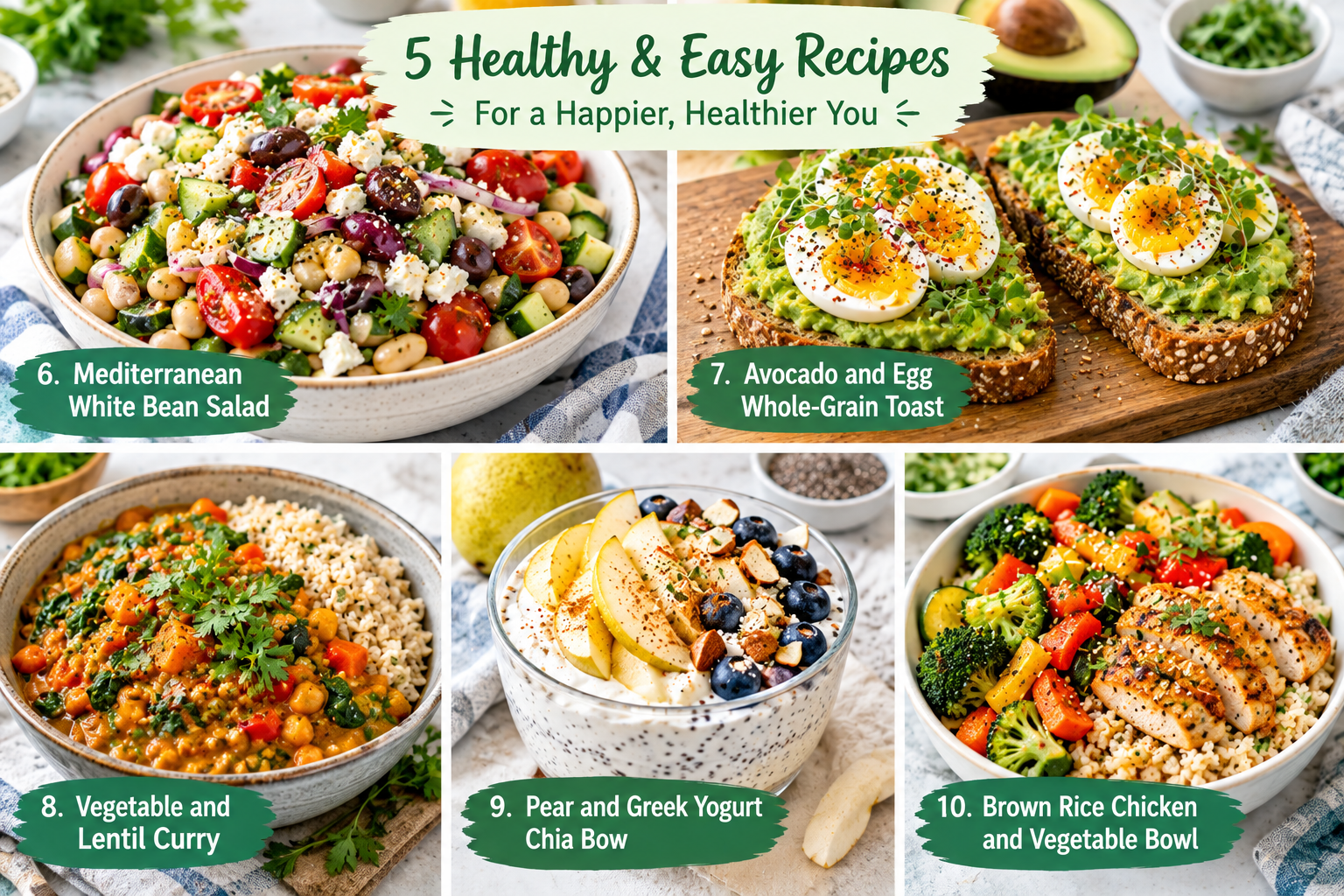
A Mediterranean-style white bean salad is fresh, filling, and easy to prepare in advance. Combine white beans with cucumber, tomatoes, red onion, parsley, olives, and a lemon-olive oil dressing. You can add whole-grain pita or a small portion of quinoa to make the meal more substantial. The beans supply fiber, while the vegetables provide additional plant foods and texture. If you enjoy dairy, a small amount of feta can add a salty, creamy element.
This salad is ideal for work lunches because it does not require reheating. Prepare the ingredients in advance and keep the dressing separate until serving. You can also turn leftovers into a wrap using whole-grain flatbread. The meal demonstrates an important principle of healthy eating: one nutritious base can become several different meals depending on how you serve it.
7. Avocado and Egg Whole-Grain Toast
Whole-grain toast topped with avocado and eggs makes a quick breakfast or light lunch with minimal preparation. Choose a bread that provides whole grains, then spread mashed avocado over the toast and top with a boiled, poached, or scrambled egg. Add tomato slices, spinach, cucumber, or pumpkin seeds for more plant-based variety. The whole-grain bread and avocado contribute fiber, while the egg supplies protein. A sprinkle of black pepper, chili flakes, or lemon juice can add flavor without much effort.
Although this meal is simple, it shows how small ingredient choices can change the nutritional quality of a familiar breakfast. Refined white toast can be replaced with whole-grain bread, and a vegetable topping can turn an otherwise basic plate into a more nutrient-dense meal. If you're hungry between meals, serve the toast with a piece of fruit. That small addition gives you another opportunity to include fiber.
8. Vegetable and Lentil Curry
A vegetable and lentil curry is an excellent way to combine legumes and vegetables in a flavorful one-pot meal. Cook onions, garlic, ginger, carrots, tomatoes, lentils, and vegetables such as spinach or cauliflower with curry spices and broth. Simmer until the lentils are tender and the vegetables are soft. Serve the curry over brown rice or with a small portion of whole-grain flatbread. You can adjust the spice level to suit your preferences.
This meal is especially helpful for batch cooking because the flavors often become even better after resting. Store portions in the refrigerator for quick lunches or dinners. If a large serving of lentils is unfamiliar to your digestive system, begin with a smaller bowl and gradually increase the amount over time. High-fiber eating should feel sustainable, not like a challenge to see how much fiber you can consume at once.
9. Pear and Greek Yogurt Chia Bowl
A pear and Greek yogurt chia bowl is a quick snack or breakfast that requires almost no cooking. Add Greek yogurt to a bowl and top it with diced pear, chia seeds, cinnamon, and a small handful of chopped walnuts or almonds. The pear provides natural sweetness and fiber, while chia seeds add additional fiber and texture. Greek yogurt supplies protein, helping turn a simple fruit snack into a more satisfying meal. If you prefer a different flavor, swap the pear for berries or sliced apple.
This combination is particularly useful when you want something sweet without making dessert the center of your diet. The creamy yogurt, juicy fruit, and crunchy seeds create several textures in one bowl. You can prepare the ingredients in a container and take them to work, although adding nuts immediately before eating can help them stay crunchy. Simple meals like this can make it easier to maintain healthy eating habits during busy days.
10. Brown Rice Chicken and Vegetable Bowl
A brown rice chicken and vegetable bowl is a practical dinner that can easily become a meal-prep staple. Combine cooked brown rice with grilled chicken, broccoli, carrots, peas, and a simple lemon-herb dressing. You can substitute tofu, beans, or another protein if you prefer. The brown rice and vegetables provide fiber, while the chicken adds lean protein. Adding different vegetables throughout the week keeps the basic meal from becoming repetitive.
Prepare several components ahead of time and assemble portions as needed. Cook the rice, roast the vegetables, and prepare the chicken separately so you can mix and match meals. You can also add avocado, pumpkin seeds, or a spoonful of hummus for additional flavor and texture. This approach works especially well for busy people because the cooking happens once, while the assembly takes only a few minutes.
Easy Tips for Adding More Fiber to Your Diet
Increasing fiber doesn't require a complete kitchen makeover. Start by making one or two simple swaps every day. Choose oatmeal instead of a low-fiber breakfast cereal, whole-grain bread instead of refined bread, brown rice or quinoa instead of white rice when you enjoy the taste, and beans or lentils several times a week. Add fruit to breakfast and vegetables to lunch and dinner. These changes may seem small individually, but together they can substantially increase the amount of fiber in your overall eating pattern.
Another useful strategy is to make fiber visible on your plate. Instead of asking, "How can I eat more fiber?" ask, "Where is my fruit, vegetable, whole grain, bean, nut, or seed in this meal?" That simple question can change how you build meals. Keep apples, pears, berries, nuts, and whole-grain snacks easy to reach so healthier choices don't require extra effort. NIDDK also recommends regular physical activity and adequate fluids as part of approaches that can help prevent or relieve constipation.
Drink Enough Fluids With High-Fiber Foods
Fiber and fluids work together, which means increasing fiber without paying attention to hydration may not give you the comfortable digestive experience you expect. NIDDK recommends drinking plenty of water and other liquids when increasing fiber because fluids help fiber work better and can help make stools softer and easier to pass. You don't need to turn hydration into another complicated rule. Keep water available during the day, drink with meals, and pay attention to thirst and your normal hydration needs.
The right amount of fluid varies from person to person, so there isn't one universal number that everyone must drink. Your activity level, environment, body size, and health circumstances all matter. If a healthcare professional has given you specific fluid restrictions or recommendations, follow those instructions rather than applying a general nutrition rule. A high-fiber diet should be part of an overall healthy eating pattern, not a standalone treatment for every digestive complaint.
Common Mistakes When Eating More Fiber
The biggest mistake is usually increasing fiber too quickly. Someone who has been eating very little fiber may suddenly add huge portions of beans, lentils, bran, raw vegetables, and seeds and then wonder why they feel bloated. A better strategy is to increase fiber gradually and give your digestive system time to adjust. NIDDK specifically advises gradually adding fiber, while its IBS guidance notes that too much fiber at once can increase gas and bloating.
Another mistake is assuming every digestive problem can be solved by eating more fiber. Fiber can be useful for constipation, but persistent or severe digestive symptoms deserve proper medical attention. NIDDK advises seeking medical care when constipation does not resolve with self-care and highlights warning signs such as rectal bleeding, blood in the stool, persistent abdominal pain, vomiting, fever, inability to pass gas, or unexplained weight loss. If you have a diagnosed digestive disorder, your ideal fiber intake may also differ from general recommendations. Personalized medical advice is especially important when symptoms are ongoing.
How to Build a Simple High-Fiber Meal Plan
Creating a high-fiber meal plan becomes much easier when you stop trying to find a perfect recipe for every meal. Instead, build meals from a few reliable categories. For breakfast, choose oats or whole-grain toast and add fruit and seeds. For lunch, use a base such as quinoa, brown rice, or whole-grain bread and add beans, vegetables, and a protein source. For dinner, combine vegetables with lentils, beans, whole grains, chicken, fish, eggs, or another protein you enjoy.
A simple weekly pattern could include overnight oats on Monday, apple cinnamon oatmeal on Tuesday, yogurt and chia on Wednesday, whole-grain avocado toast on Thursday, and a vegetable omelet with whole-grain toast on Friday. Lunches can rotate between lentil soup, chickpea bowls, bean salads, and chicken-and-rice bowls. Dinner can include lentil curry, roasted vegetables with chicken, black bean sweet potato bowls, or Mediterranean-style grain bowls. The important thing is not to eat the same foods every day but to repeatedly choose from a wide range of fiber-rich ingredients.
Conclusion
Building healthy high-fiber meals for better digestion doesn't have to mean following a complicated diet or eating enormous bowls of vegetables every day. The most practical approach is to gradually make fiber-rich foods a normal part of breakfast, lunch, dinner, and snacks. Oats, berries, apples, pears, vegetables, lentils, beans, chickpeas, whole grains, nuts, seeds, and avocado give you plenty of ways to add variety while keeping meals flavorful and satisfying. Adults generally need around 22 to 34 grams of fiber daily, although individual needs vary, and increasing fiber gradually with adequate fluids can make the transition more comfortable.
Start with one meal today. Add berries and chia seeds to your oatmeal, choose a bean-filled lunch, or serve roasted vegetables with your dinner. Then repeat the process tomorrow. Over time, these small decisions can create a much stronger eating pattern without making healthy food feel restrictive or complicated. If digestive symptoms persist despite dietary changes, don't assume you simply need more fiber; talk with a healthcare professional to identify the underlying cause. Good digestion is part of a bigger picture, and the best diet is one that is nutritious, enjoyable, practical, and sustainable for your individual needs.
Frequently Asked Questions
1. What are the best high-fiber meals for better digestion?
Some practical options include oatmeal with berries and chia seeds, lentil soup, chickpea quinoa bowls, black bean sweet potato bowls, Mediterranean bean salads, and vegetable-rich brown rice bowls. These meals combine several naturally fiber-rich foods instead of depending on a single ingredient. For many people, variety and gradual increases are easier to tolerate than suddenly consuming very large amounts of one high-fiber food. NIDDK recommends getting fiber from sources such as whole grains, legumes, fruits, vegetables, and nuts.
2. Can high-fiber foods help with constipation?
Yes, increasing dietary fiber can help prevent and relieve constipation for many people. Fiber can make stools softer and easier to pass, particularly when paired with adequate fluid intake. NIDDK recommends that adults generally consume around 22 to 34 grams of fiber per day depending on age and sex, while emphasizing that fiber should be increased gradually. Persistent constipation or constipation accompanied by warning signs should be evaluated by a healthcare professional.
3. How can I increase fiber without getting bloated?
Start slowly rather than dramatically changing your diet overnight. Add small amounts of foods such as oats, fruit, cooked vegetables, beans, or seeds and increase portions gradually as your body adjusts. Drinking enough fluids is also important when increasing fiber. For people with IBS, NIDDK notes that gradually increasing fiber by around 2 to 3 grams per day may help reduce gas and bloating.
4. Is oatmeal good for digestion?
Oatmeal can be a useful high-fiber breakfast because oats contain soluble fiber and can easily be combined with other nutritious foods. Adding berries, apples, chia seeds, or ground flaxseed can increase the fiber content further. Keep portions comfortable, especially if you're new to high-fiber eating. If you notice that a particular food consistently causes digestive symptoms, discuss your concerns with a qualified healthcare professional rather than assuming all fiber-rich foods are unsuitable.
5. Should I eat more fiber if I have digestive problems?
It depends on the specific digestive problem. Fiber can be beneficial for constipation, but some digestive conditions require individualized dietary adjustments, and increasing fiber may not be appropriate in every circumstance. NIDDK recommends discussing diet changes with a healthcare professional when managing conditions such as IBS or persistent digestive symptoms. If symptoms are severe, persistent, or accompanied by bleeding, significant pain, vomiting, fever, or unexplained weight loss, seek medical advice.
Comments
0No comments yet — be the first to share your thoughts!