10 Best Foods to Eat on a Mediterranean Diet for Better Health
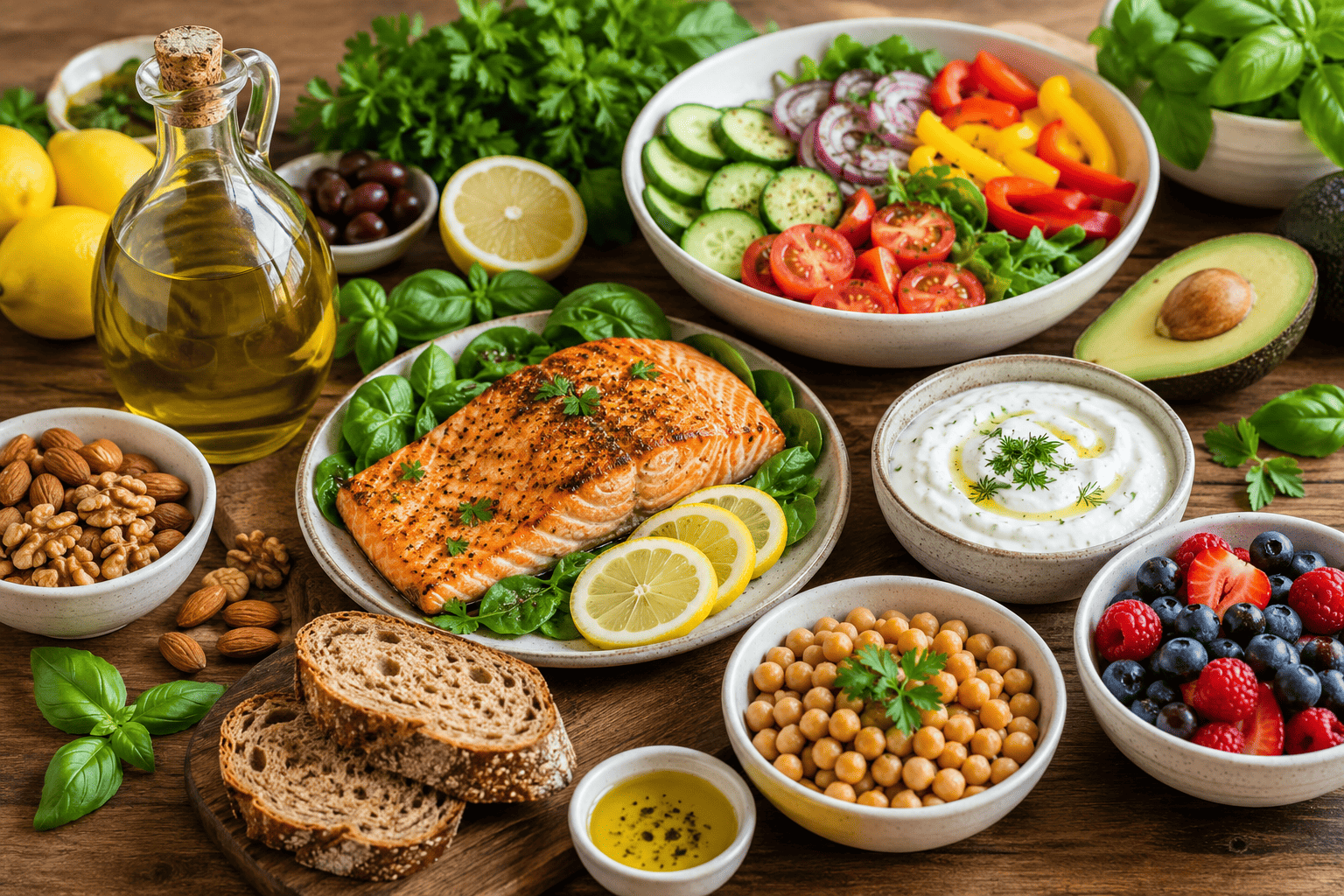
Discover the 10 best foods to eat on a Mediterranean diet, including olive oil, fatty fish, whole grains, legumes, and more for heart health, weight loss, and overall wellness.
10 Best Foods to Eat on a Mediterranean Diet
The Mediterranean diet has remained one of the world's most recommended eating patterns for decades, and its popularity continues to grow in 2026. Unlike restrictive diets that eliminate entire food groups, this lifestyle focuses on eating fresh, minimally processed foods while enjoying meals with family and maintaining an active lifestyle. Recent nutrition experts continue to recommend it because research links it to better heart health, healthier body weight, improved brain function, and a lower risk of type 2 diabetes.
Instead of counting every calorie, the Mediterranean diet emphasizes food quality. Healthy fats replace unhealthy ones, vegetables fill most of the plate, and lean proteins appear regularly throughout the week. The following ten foods form the foundation of this eating pattern and can easily fit into almost any kitchen or budget.
Why the Mediterranean Diet Continues to Dominate Healthy Eating
One reason the Mediterranean diet stands out is that it doesn't feel like a temporary diet. Instead, it's a sustainable way of eating that encourages balance rather than perfection. Nutrition professionals consistently highlight that the combination of whole grains, vegetables, legumes, fruits, fish, and olive oil delivers far greater health benefits than relying on individual "superfoods." Recent expert commentary also notes that this dietary pattern has one of the strongest bodies of evidence for supporting heart and brain health.
Another advantage is flexibility. Community discussions among Mediterranean diet followers frequently emphasize that you don't have to cook only Greek or Italian recipes. The focus is on food proportions and ingredient quality, meaning cuisines from around the world can follow Mediterranean principles when built around vegetables, healthy fats, whole grains, and lean proteins.
1. Extra Virgin Olive Oil
Extra virgin olive oil is often called the heart of the Mediterranean diet, and for good reason. It provides healthy monounsaturated fats along with powerful antioxidants known as polyphenols. These compounds help reduce inflammation while supporting cardiovascular health. Swapping butter or highly processed cooking oils for olive oil is one of the simplest ways to improve your diet.
Use it for salad dressings, roasted vegetables, marinades, soups, and even whole-grain bread instead of butter. Because quality matters, choose extra virgin olive oil whenever possible.
2. Fatty Fish
Fatty fish are among the richest natural sources of omega-3 fatty acids, nutrients that support heart, brain, and eye health. Health experts recommend eating fish at least twice a week as part of a Mediterranean eating pattern. Salmon, sardines, trout, tuna, and mackerel are excellent choices.
Best Fish Choices for Maximum Omega-3s
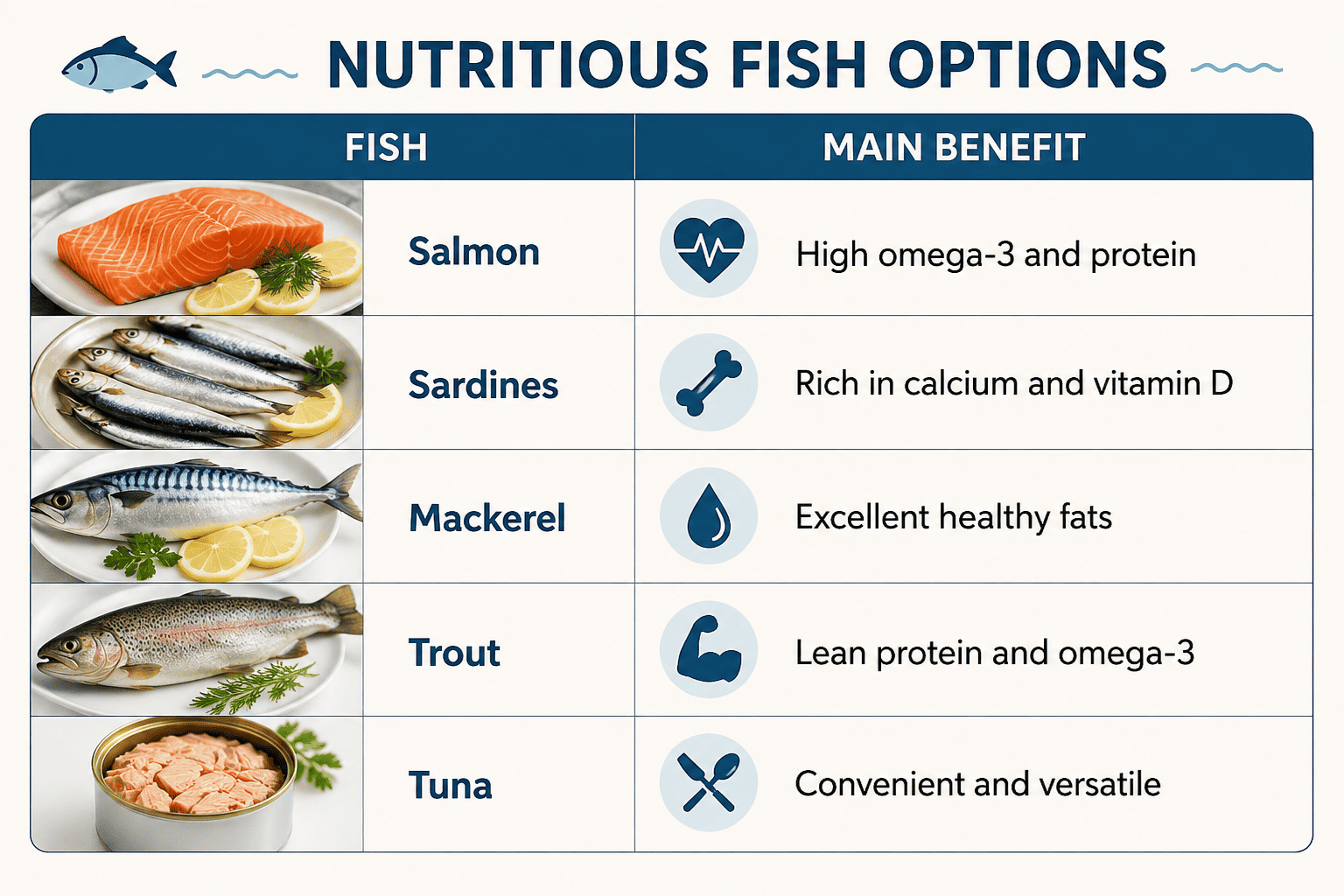
Grilling, baking, or air-frying preserves nutrients while keeping added fats to a minimum.
3. Leafy Green Vegetables
Spinach, kale, Swiss chard, arugula, and romaine lettuce are packed with vitamins, minerals, antioxidants, and fiber. These vegetables contain relatively few calories but deliver enormous nutritional value. Eating a variety of greens regularly supports digestion, immune health, and healthy aging.
Try filling at least half your plate with vegetables during lunch and dinner. Mixing different colors and textures also keeps meals interesting while increasing nutrient diversity.
4. Legumes
Beans, lentils, peas, and chickpeas are affordable nutritional powerhouses. They provide plant-based protein, complex carbohydrates, and large amounts of fiber that help keep you satisfied for hours. Recent personal experiences shared by Mediterranean diet followers consistently mention legumes as one of the easiest and most budget-friendly staples to include.
Budget-Friendly Protein Powerhouses
Whether you prepare homemade lentil soup, chickpea salad, bean chili, or hummus, legumes are versatile enough to appear in nearly every meal. They're especially valuable for people trying to reduce red meat consumption without sacrificing protein.
5. Whole Grains
Whole grains provide steady energy because they digest more slowly than refined carbohydrates. Brown rice, oats, barley, quinoa, bulgur, and whole wheat bread all fit perfectly within Mediterranean eating principles.
Unlike white bread and refined pasta, whole grains retain their fiber, vitamins, and minerals. That means better blood sugar control, improved digestion, and longer-lasting fullness. Pair them with vegetables and lean proteins for balanced meals.
6. Nuts and Seeds
Almonds, walnuts, pistachios, sunflower seeds, pumpkin seeds, flaxseeds, and chia seeds provide healthy fats, protein, and fiber. They're excellent snacks that help satisfy hunger between meals while delivering nutrients many people don't consume enough of.
Because nuts are calorie-dense, moderation is important. A small handful daily is usually enough to receive their nutritional benefits. Walnuts are particularly valued because they also contribute plant-based omega-3 fats.
7. Fresh Fruits
Fresh fruit satisfies sweet cravings naturally while supplying vitamins, antioxidants, and fiber. Berries, oranges, grapes, apples, pears, figs, peaches, and citrus fruits all fit well into Mediterranean meal planning.
Instead of treating fruit as dessert alone, enjoy it with breakfast, yogurt, salads, or healthy snacks. Whole fruit is generally preferred over fruit juice because it retains beneficial fiber.
8. Greek Yogurt
Greek yogurt offers high-quality protein together with calcium and beneficial probiotics that support digestive health. Plain Greek yogurt is generally preferred because flavored varieties often contain added sugar.
Enjoy it with berries, walnuts, oats, or a drizzle of honey. It also makes an excellent substitute for sour cream or mayonnaise in many recipes, adding creaminess while increasing nutritional value.
9. Tomatoes
Tomatoes are one of the most recognizable Mediterranean ingredients. They're rich in vitamin C, potassium, and lycopene, an antioxidant associated with heart health. Fresh tomatoes, cherry tomatoes, canned tomatoes without added sugar, and homemade tomato sauces all fit into the diet.
Pairing tomatoes with olive oil actually improves the body's absorption of lycopene, making the combination both delicious and nutritionally effective.
10. Herbs and Spices
Fresh herbs and spices transform ordinary meals into flavorful dishes without relying heavily on salt. Basil, oregano, rosemary, thyme, parsley, mint, cumin, turmeric, paprika, garlic, and black pepper are all commonly used throughout Mediterranean cooking.
Replacing Salt Naturally
Using herbs instead of excessive sodium helps support healthy blood pressure while adding incredible aroma and depth of flavor. Experimenting with spice blends also keeps healthy meals exciting rather than repetitive.
Sample Mediterranean Meal Plan
A Mediterranean diet doesn't require complicated recipes.
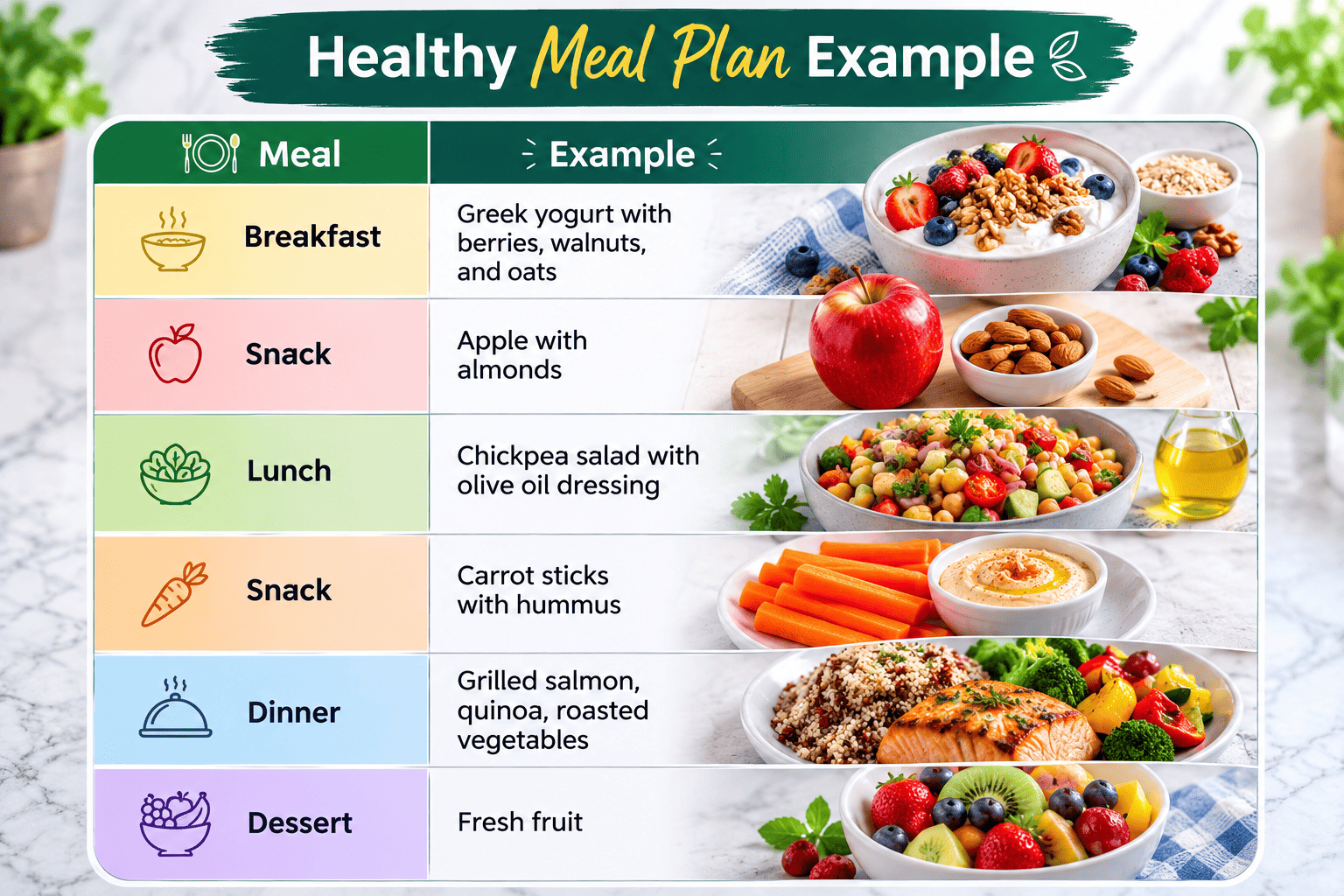
This menu demonstrates how simple ingredients combine into satisfying meals that emphasize nutrition without unnecessary restrictions.
Conclusion
The Mediterranean diet isn't built around miracle foods or extreme rules. Instead, it succeeds because it consistently prioritizes whole foods, healthy fats, plant-based ingredients, lean proteins, and enjoyable eating habits. Recent nutrition guidance continues to recommend this approach because it supports heart health, cognitive function, digestive wellness, and long-term sustainability rather than quick fixes.
Adding these ten foods to your weekly grocery list is an excellent first step toward building healthier eating habits. Start small by replacing processed foods with fresh ingredients, cooking with extra virgin olive oil, eating more vegetables and legumes, and enjoying fish several times each week. Over time, these simple choices can have a meaningful impact on your overall health.
Frequently Asked Questions
1. What is the number one food on the Mediterranean diet?
Extra virgin olive oil is widely considered the cornerstone because it provides healthy monounsaturated fats and antioxidants.
2. Can I lose weight on the Mediterranean diet?
Yes. Many people lose weight because the diet emphasizes filling, nutrient-dense foods while reducing highly processed foods and added sugars.
3. Are eggs allowed on the Mediterranean diet?
Yes. Eggs can be eaten in moderation alongside vegetables, whole grains, and healthy fats.
4. Is rice allowed?
Yes. Brown rice and other whole grains are preferred over refined grains.
5. Can vegetarians follow the Mediterranean diet?
Absolutely. Legumes, nuts, seeds, whole grains, vegetables, fruits, and dairy provide plenty of nutrition for vegetarian meal planning
Comments
0No comments yet — be the first to share your thoughts!